
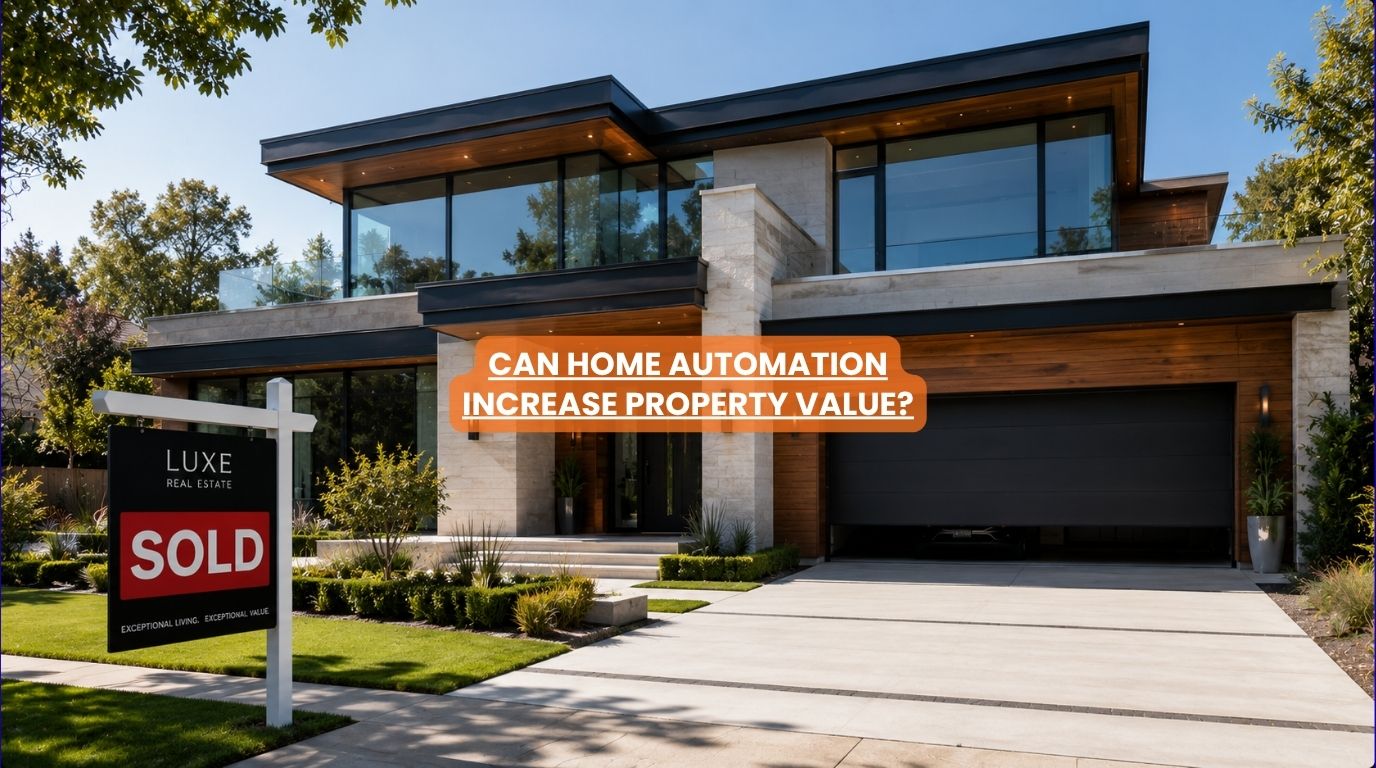
For many homeowners, installing home automation is about convenience. For others, it’s about security. Some want energy efficiency, while others simply enjoy the comfort of a connected living experience.
But there’s another question that frequently comes up during smart home planning: “Can home automation increase smart home value?”
It’s an important consideration. After all, a home is often one of the largest investments a person makes. Homeowners naturally want to know whether smart home technology can improve not only their daily lifestyle but also the long-term value of their property.
At Techtastic, we often explain that home automation should first be viewed as a lifestyle investment. However, as buyer expectations continue evolving, smart home features are increasingly becoming an important differentiator in premium residential markets.
The relationship between automation and smart home value is more nuanced than many people realize. Let’s explore how modern smart home technology influences property appeal, buyer perception, and long-term value.
Summary
Home automation can increase smart home value by improving security, energy efficiency, convenience, comfort, and future readiness. While the exact financial impact varies by market and property type, smart home features such as automated lighting, smart security systems, climate control, motorized curtains, and integrated automation platforms often make homes more attractive to modern buyers. The greatest smart home value typically comes from professionally designed systems that enhance everyday living rather than isolated smart devices.
Quick Answer
Yes, home automation can increase smart home value by making a home more attractive, secure, efficient, and future-ready. Features such as smart lighting, security systems, climate control, motorized curtains, and centralized automation can enhance buyer appeal and differentiate a property in competitive markets. While automation should not be viewed solely as a resale strategy, it can contribute to both lifestyle benefits and long-term property desirability.
Why Homebuyers Are Paying More Attention to Smart Homes
The modern homebuyer is different from the buyer of ten years ago.
Today’s buyers increasingly expect:
- Strong connectivity
- Smart security
- Energy efficiency
- Convenience
- Technology integration
Features that once felt futuristic are now becoming mainstream expectations.
As a result, homes that already include intelligent technologies often stand out in competitive markets.
Does Home Automation Directly Increase Smart Home Value?
The honest answer is: Sometimes—but not always in a straightforward way. Unlike adding an extra bedroom or increasing square footage, home automation does not automatically translate into a fixed increase in property price.
Instead, automation often creates smart home value through:
- Increased buyer appeal
- Faster sales potential
- Property differentiation
- Enhanced lifestyle perception
- Future-ready positioning
In many cases, these benefits indirectly contribute to stronger market performance.
Smart Home Features That Add the Most Value
Not all smart home features have the same impact. Some are consistently viewed as desirable by buyers.
Smart Security Systems
Security remains one of the strongest value drivers.
Popular features include:
- CCTV surveillance
- Smart locks
- Video door phones
- Motion detection
- Access control
Buyers often view security as both a lifestyle benefit and a long-term investment.
Smart Lighting Control
Lighting automation offers:
- Convenience
- Energy efficiency
- Ambience enhancement
- Modern appeal
Well-designed lighting scenes can make a home feel more luxurious and sophisticated.
Climate Control Automation
Automated climate systems help homeowners:
- Improve comfort
- Reduce energy waste
- Manage indoor environments more efficiently
Energy-conscious buyers often appreciate these capabilities.
Motorized Curtains
Motorized curtains are increasingly associated with premium homes.
Benefits include:
- Convenience
- Privacy management
- Daylight control
- Luxury appeal
Large homes and high-end apartments particularly benefit from these features.
Centralized Home Control
Buyers generally prefer integrated systems over disconnected smart gadgets.
Centralized control offers:
- Simplicity
- Ease of use
- Better user experiences
The more seamless the technology feels, the more valuable it often appears.
Why Luxury Homes Benefit More
Automation tends to have a greater impact on:
- Villas
- Luxury residences
- Penthouses
- Premium apartments
- High-end developments
Why?
Because buyers in these segments increasingly expect technology integration as part of the overall living experience.
In luxury real estate, automation is becoming less of a bonus and more of an expectation.
Smart Home Features Buyers Notice First
When viewing a property, buyers often immediately notice:
Smart Security
Visible protection creates confidence.
Automated Lighting
Demonstrates modern functionality.
Motorized Curtains
Creates a premium first impression.
Entertainment Systems
Showcases lifestyle enhancement.
Centralized Control Panels
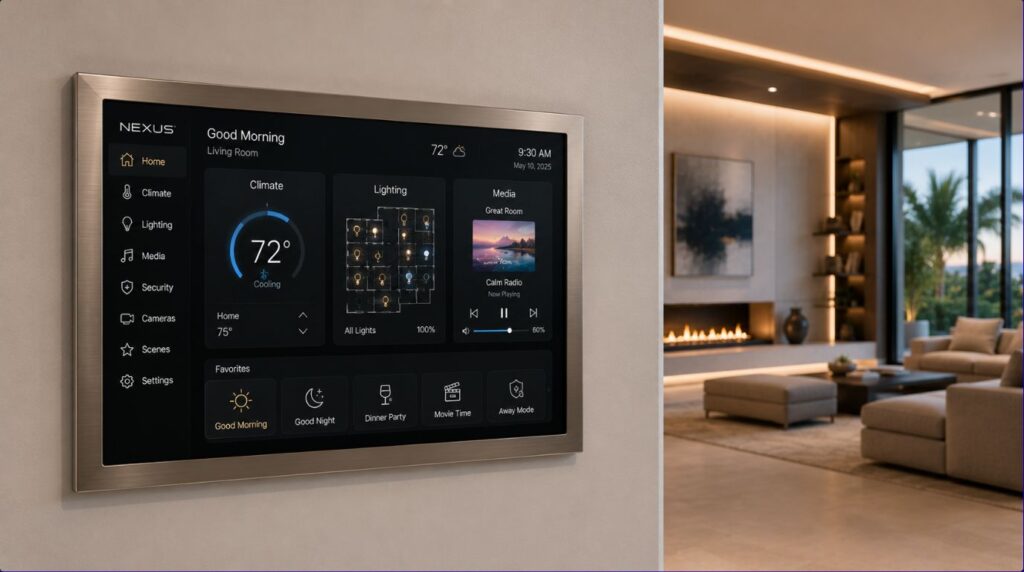
Communicates technological sophistication.
These features often influence emotional responses during property viewings.
Smart Home Value vs Traditional Renovations
| Smart Home Upgrade | Traditional Renovation |
|---|---|
| Improves convenience | Improves physical space |
| Enhances security | Enhances functionality |
| Future-ready appeal | Structural improvement |
| Technology differentiation | Aesthetic differentiation |
| Lifestyle enhancement | Physical enhancement |
Both can add value—but in different ways. The strongest properties often combine both approaches.
How Home Automation Can Improve Marketability
Even when automation doesn’t directly increase valuation, it can improve:
- Buyer interest
- Property differentiation
- Perceived quality
- Modern appeal
In competitive markets, these advantages can matter significantly.
A buyer comparing multiple similar homes may be drawn toward the one that feels more future-ready.
Common Mistakes Homeowners Make
Over-Automating
Technology should enhance usability rather than complicate it.
Choosing Isolated Devices
Disconnected gadgets rarely create the same impression as integrated systems.
Ignoring Infrastructure
Reliable networking and scalability matter more than flashy devices.
Focusing Only on Resale
The primary benefit of automation should remain daily enjoyment and convenience.
Resale value should be viewed as a secondary benefit.
Smart Home ROI: Looking Beyond Financial Returns
Many homeowners think of ROI strictly in monetary terms.
However, automation often delivers smart home value through:
- Convenience
- Security
- Comfort
- Energy savings
- Time savings
- Lifestyle improvements
These benefits are experienced every day. The longer homeowners remain in the property, the greater the cumulative smart home value often becomes.
Why Future-Ready Homes Are Becoming More Attractive
Technology expectations continue evolving.
Buyers increasingly look for homes that are:
- Connected
- Secure
- Efficient
- Adaptable
Future-ready properties may require fewer upgrades after purchase, making them more appealing to prospective buyers. This trend is likely to continue as smart home adoption grows.
Why It Matters for Modern Homes
Modern living increasingly revolves around technology.
Homeowners now expect:
- Mobile control
- Smart security
- Automated comfort
- Connected experiences
Properties that meet these expectations are often perceived as more contemporary and desirable.
As smart home technology becomes more mainstream, automation may play an increasingly important role in residential market competitiveness.
Our Perspective at Techtastic
At Techtastic, we encourage homeowners to think beyond resale value and focus on creating homes that genuinely improve everyday living. That said, many of the features homeowners enjoy most are also the features that future buyers tend to appreciate.
We typically recommend prioritizing:
- Smart security
- Lighting control
- Climate management
- Reliable networking
- Centralized automation
- Future scalability
These systems often provide both immediate lifestyle benefits and long-term property appeal.
The goal isn’t simply to add technology. It’s to create a home that feels smarter, safer, more comfortable, and more valuable over time.
Collaboration Opportunities for Developers, Architects & Interior Designers
Smart home value begins during the design stage.
At Techtastic, we collaborate with:
- Architects
- Interior designers
- Luxury home builders
- Residential developers
- Real estate consultants
- Hospitality designers
Smart Infrastructure Planning
Create properties designed for future technology adoption.
Lighting & Automation Integration
Enhance both functionality and visual appeal.
Security & Access Control Design
Improve buyer confidence and property desirability.
Networking Infrastructure Planning
Support connected living experiences.
Luxury Residential Projects
Differentiate developments through intelligent technology.
Future-Ready Communities
Deliver homes aligned with modern buyer expectations.
Early collaboration helps maximize both lifestyle value and long-term market appeal.
Key Takeaways
- Home automation can increase smart home value indirectly through buyer appeal and market differentiation.
- Smart security systems are among the most valuable automation features.
- Lighting control and motorized curtains often create strong first impressions.
- Luxury properties typically see the greatest benefit from automation.
- Integrated systems are more attractive than disconnected devices.
- Automation delivers value through both lifestyle improvements and future marketability.
Frequently Asked Questions
1. Does home automation increase property value?
A: It can. Smart home features often improve buyer appeal, property differentiation, and future readiness.
2. Which smart home features add the most value?
A: Smart security systems, lighting automation, climate control, motorized curtains, and centralized control systems are among the most valuable.
3. Do buyers want smart homes?
A: Increasingly, yes. Many buyers now expect connected living features and modern technology integration.
4. Is home automation a good investment?
A: For many homeowners, automation provides value through convenience, security, comfort, and long-term property appeal.
5. Do luxury homes benefit more from automation?
A: Yes. Buyers in luxury markets often expect advanced technology integration.
6. Does smart security increase home value?
A: Security features are among the most appreciated smart home investments.
7. What is the ROI of home automation?
A: ROI varies by property and market, but benefits often include both lifestyle improvements and enhanced buyer interest.
8. Should I install automation before selling my home?
A: It depends on the property, market, and target buyers, but future-ready technology can improve property attractiveness.
Conclusion
So, can home automation increase property value?
In many cases, yes—but perhaps not in the way homeowners initially expect. Rather than delivering a guaranteed increase in valuation, automation often creates value through enhanced buyer appeal, improved lifestyle experiences, stronger market differentiation, and future-ready positioning.
At Techtastic, we help homeowners, architects, and developers create intelligent living environments that balance convenience, security, comfort, and long-term value.
📞 Call/WhatsApp: 9769145145
📍 Our Operational Hubs: Navi Mumbai | Nashik | Lonavla | Sangli
Whether you’re planning to stay in your home for years or preparing it for future resale, thoughtfully designed automation can help make your property more desirable, more functional, and better prepared for the future.
Ready to take the next step? Explore our comprehensive breakdown on Smart Home Upgrade Costs 2026: Is It Expensive? to see how these requirements translate into real-world value for your property.