
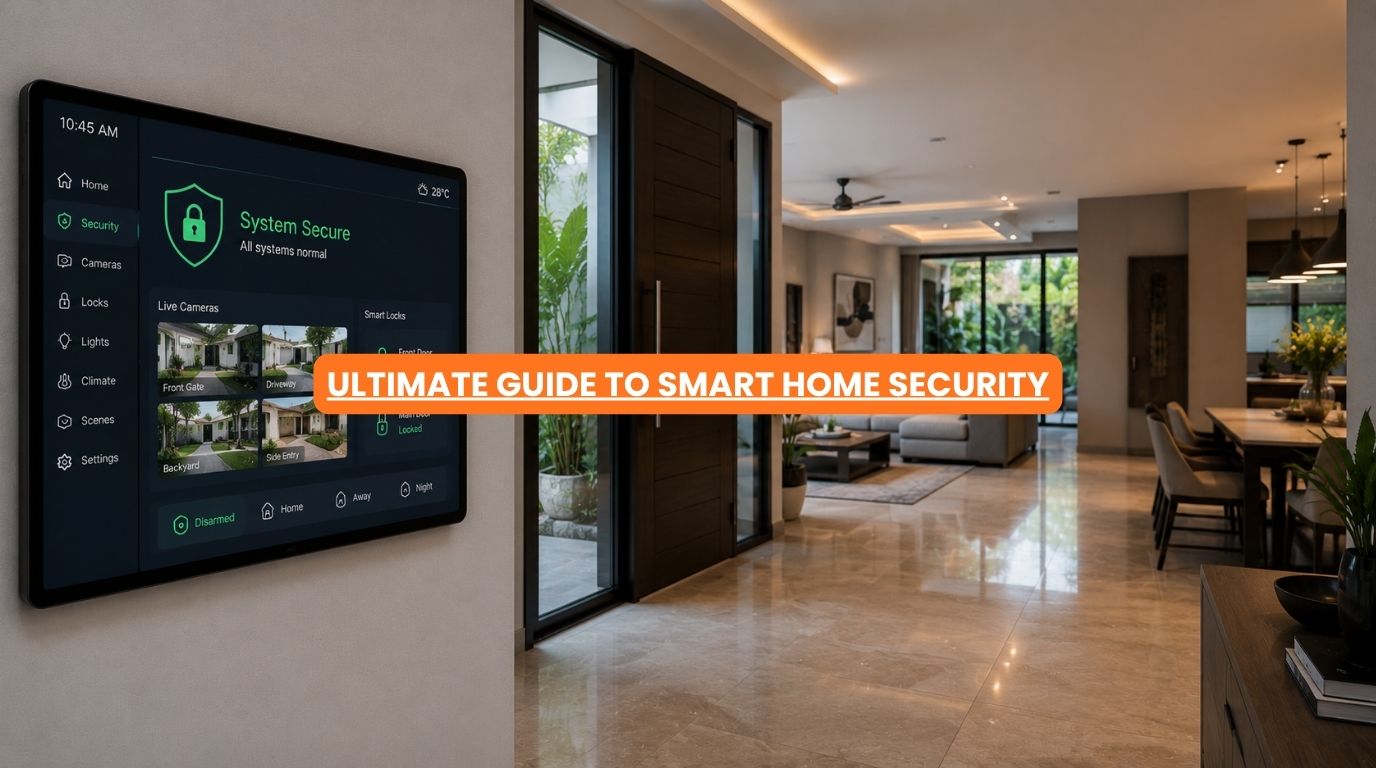
As smart homes become more common, one question continues to surface among homeowners: “How secure are smart home systems really?”
It’s a valid concern.
Modern homes can now control lighting, security cameras, smart locks, motorized curtains, climate systems, entertainment systems, and even access control through connected technology. While this level of convenience is impressive, it also raises important questions about privacy, cybersecurity, and protection against unauthorized access.
At Techtastic, security concerns are among the first topics we discuss with homeowners considering automation. Many people worry about hacking, data privacy, remote access vulnerabilities, and device reliability.
The good news is that modern smart home systems can be extremely secure when designed correctly. The key is understanding where smart home security risks actually exist and how professional system design helps mitigate them.
Summary
Modern smart home systems can be highly secure when designed with proper cybersecurity practices, reliable networking infrastructure, encrypted communication, secure access control, and professional installation. While connected devices introduce potential security risks, most vulnerabilities stem from weak passwords, unsecured networks, outdated software, or poorly configured systems rather than home automation technology itself. A professionally designed smart home security strategy can significantly reduce risks while improving convenience, safety, and peace of mind.
Quick Answer
Yes, modern smart home systems can be very secure when properly designed and maintained. Most security risks are not caused by automation itself but by weak passwords, insecure Wi-Fi networks, outdated devices, or poor installation practices. Homeowners can significantly improve smart home security by using strong authentication, secure networking, encrypted devices, regular software updates, and professionally integrated automation platforms.
Why Smart Home Security Matters
Today’s smart homes often control critical functions such as:
- Door locks
- Security cameras
- Alarm systems
- Access control
- Lighting
- Climate control
As more systems become connected, protecting them becomes increasingly important.
However, it’s important to understand that smart home security involves more than simply protecting devices.
It includes:
- Network security
- User authentication
- Data privacy
- Access management
- Software maintenance
Security is an ecosystem, not a single feature.
Are Smart Homes More Vulnerable Than Traditional Homes?
This is one of the biggest misconceptions about home automation.
Traditional homes have vulnerabilities too:
- Lost keys
- Unmonitored access points
- No remote visibility
- Delayed awareness of incidents
Smart homes actually introduce several security advantages:
- Real-time monitoring
- Instant alerts
- Access logs
- Remote management
- Automated security responses
When implemented properly, smart home security can improve overall home protection.
How Much Should You Invest in Smart Home Security?
The investment required for a secure smart home depends on the size of your property, the level of automation you want, and the devices you choose. A small apartment may only require a smart video doorbell, a few cameras, and a smart lock, while larger homes often benefit from professionally integrated systems that combine surveillance, access control, lighting automation, alarms, and structured networking.
Some of the factors that influence the overall investment include:
- Number of entry points
- Indoor and outdoor cameras
- Smart locks and access control
- Motion, door, and window sensors
- Lighting automation
- Alarm systems
- Structured networking
- KNX or other professional automation platforms
- Installation, programming, and ongoing support
Instead of focusing only on upfront cost, homeowners should consider long-term reliability, cybersecurity, future expansion, and the convenience of managing everything through one integrated platform. A professionally designed system often reduces maintenance, improves security, and protects your investment as technology evolves.
What Are the Biggest Smart Home Security Risks?
1. Weak Passwords
This remains one of the most common vulnerabilities.
Examples include:
- Default passwords
- Simple passwords
- Shared credentials
Strong authentication significantly reduces risk.
2. Poor Wi-Fi Security
A smart home’s network acts as its foundation.
Weak networking can expose:
- Cameras
- Smart devices
- Access control systems
- Mobile applications
Secure networking is critical.
3. Outdated Software
Software updates often include:
- Security improvements
- Vulnerability fixes
- Performance enhancements
Ignoring updates can increase exposure to potential threats.
4. Unsecured Remote Access
Remote control is one of the biggest advantages of automation.
However, it should always be protected through:
- Secure authentication
- Encrypted communication
- Access controls
Professional configuration is important.
5. Low-Quality Devices
Not all smart home products offer the same level of security.
Professional-grade systems often provide:
- Better encryption
- Longer support cycles
- Stronger security protocols
- Improved reliability
Device quality matters.
How Professional Smart Home Systems Improve Security
Smart Access Control
Modern systems allow homeowners to:
- Monitor entry activity
- Grant temporary access
- Remove permissions instantly
- Track visitor history
This often provides greater control than traditional keys.
Security Cameras & Monitoring
Integrated surveillance systems provide:
- Real-time visibility
- Motion detection
- Event recording
- Mobile notifications
Awareness improves response times.
Automated Security Responses
Smart homes can automatically respond to events.
Example:
If unusual activity is detected:
- Cameras begin recording.
- Lights activate.
- Alerts are sent.
- Security systems respond.
Automation helps reduce reaction times.
Remote Monitoring
Whether at work or traveling, homeowners can:
- View cameras
- Check lock status
- Receive notifications
- Monitor property activity
This visibility improves peace of mind.
Smart Home Security vs Traditional Security
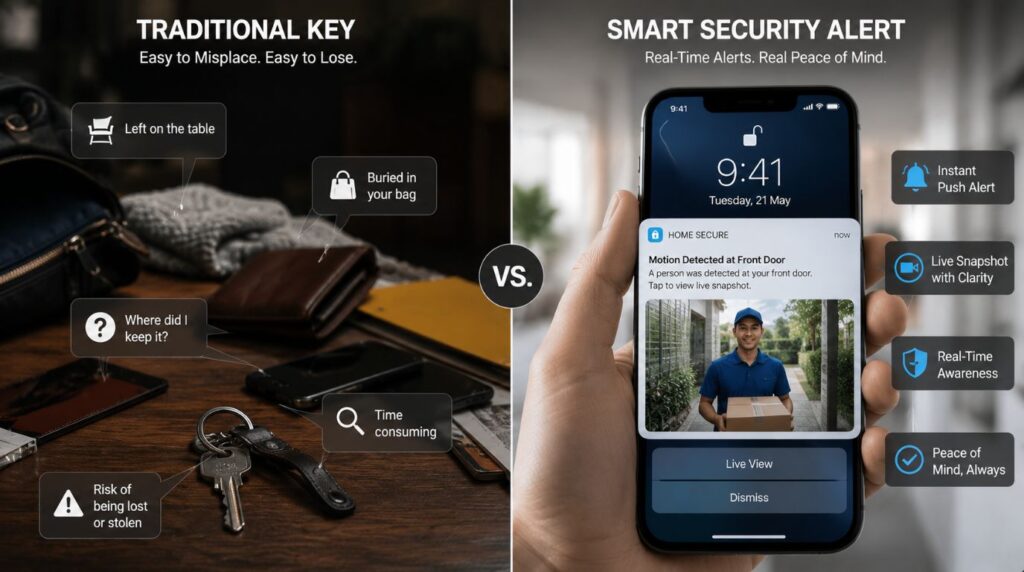
| Traditional Security | Smart Home Security |
|---|---|
| Physical keys | Smart access control |
| Basic alarms | Intelligent automation |
| Limited visibility | Real-time monitoring |
| Reactive security | Proactive security |
| No activity logs | Detailed event history |
| Local access only | Remote visibility |
The difference extends beyond convenience.
How Secure Are Professional Automation Platforms?
Professional platforms such as KNX-based systems are often designed with:
- Reliability
- Scalability
- Secure communication
- Local control capabilities
Unlike some consumer-grade devices that rely heavily on cloud services, professional automation platforms often provide greater control over system architecture and security policies.
This is one reason they are frequently used in luxury homes, commercial buildings, and critical infrastructure environments.
Best Practices for Securing a Smart Home
Use Strong Passwords
Avoid default credentials.
Use unique passwords for every critical system.
Enable Multi-Factor Authentication
Additional verification adds another layer of protection.
Secure Your Network
Invest in:
- Reliable routers
- Professional networking
- Secure Wi-Fi configurations
Network security is foundational.
Keep Devices Updated
Regular updates help protect against emerging vulnerabilities.
Work with Qualified Integrators
Proper design often prevents security issues before they occur.
Professional installation matters.
Common Smart Home Security Myths
“Smart Homes Are Easy to Hack”
Most successful attacks exploit weak user practices rather than advanced technology.
“Connected Devices Are Always Listening”
Most smart devices operate according to specific user permissions and settings.
“Traditional Homes Are Safer”
Traditional homes often lack visibility, monitoring, and automated security capabilities.
“Security Cameras Alone Are Enough”
Effective protection requires a comprehensive security strategy.
Why It Matters for Modern Homes
Today’s homeowners want:
- Convenience
- Security
- Privacy
- Connectivity
Modern smart home security helps balance these priorities.
As homes become more connected, cybersecurity and physical security are becoming increasingly intertwined.
The most successful smart homes address both.
Our Perspective at Techtastic
At Techtastic, we believe smart home security begins long before devices are installed.
We typically focus on:
- Secure networking
- Professional system architecture
- Access control planning
- Device selection
- Future scalability
In our experience, homeowners who invest in proper planning enjoy both stronger security and better overall smart home performance.
Technology should provide peace of mind—not additional concerns.
When implemented correctly, smart home systems can enhance both digital and physical security simultaneously.
Collaboration Opportunities for Developers, Architects & Interior Designers
Security should be integrated into project planning from the very beginning.
At Techtastic, we collaborate with:
- Architects
- Interior designers
- Luxury home builders
- Real estate developers
- Hospitality consultants
- Commercial project planners
Smart Security Infrastructure
Design safer and more resilient properties.
Access Control Planning
Create intelligent visitor management systems.
Secure Networking Design
Build strong foundations for connected living.
Automation & Security Integration
Combine convenience and protection.
Luxury Residential Projects
Deliver premium smart living experiences.
Hospitality & Commercial Applications
Implement scalable and secure automation ecosystems.
Early collaboration creates stronger, safer, and more future-ready environments.
Key Takeaways on Smart Home Security
- Modern smart home systems can be highly secure.
- Most smart home security risks stem from poor passwords, weak networking, or outdated devices.
- Smart homes often provide greater visibility than traditional homes.
- Professional installation significantly improves security outcomes.
- Secure networking is one of the most important factors in smart home protection.
- A well-designed smart home can improve both convenience and security.
Frequently Asked Questions
1. Are smart home systems secure?
A: Yes. Modern smart home systems can be very secure when properly installed, configured, and maintained.
2. Can smart homes be hacked?
A: Like any connected technology, vulnerabilities can exist, but most risks can be minimized through strong cybersecurity practices.
3. What is the biggest smart home security risk?
A: Weak passwords and insecure networks are among the most common vulnerabilities.
4. Are smart locks safe?
A: Yes. Professionally installed smart locks often provide enhanced access control and monitoring capabilities.
5. Is Wi-Fi security important for smart homes?
A: Absolutely. The network is the foundation of a secure smart home ecosystem.
6. Are professional automation systems safer than consumer devices?
A: Professional-grade platforms often provide stronger security architecture, better integration, and longer-term support.
7. How can I make my smart home more secure?
A: Use strong passwords, enable multi-factor authentication, secure your network, update devices regularly, and work with qualified professionals.
8. Does home automation improve security?
A: Yes. Smart home automation can improve monitoring, access control, incident awareness, and response capabilities.
Conclusion
So, how secure are smart home systems really?
The reality is that modern smart homes can be extremely secure when designed and maintained properly. While connected technology introduces new considerations, the benefits of enhanced monitoring, intelligent access control, automated security responses, and real-time visibility often outweigh the risks.
At Techtastic, we help homeowners, architects, and developers build smart home ecosystems that prioritize both convenience and security.
📞 Call/WhatsApp: 9769145145
📍 Our Operational Hubs: Navi Mumbai | Nashik | Lonavla | Sangli
Through thoughtful planning, secure networking, professional integration, and future-ready design, smart home technology can provide a safer, more connected living experience for years to come.
Want to ensure your system investment is fully protected? Head over to our deep dive on Safe Home Security System 2026: What To Know Before Installing to learn how we future-proof your smart home infrastructure.