
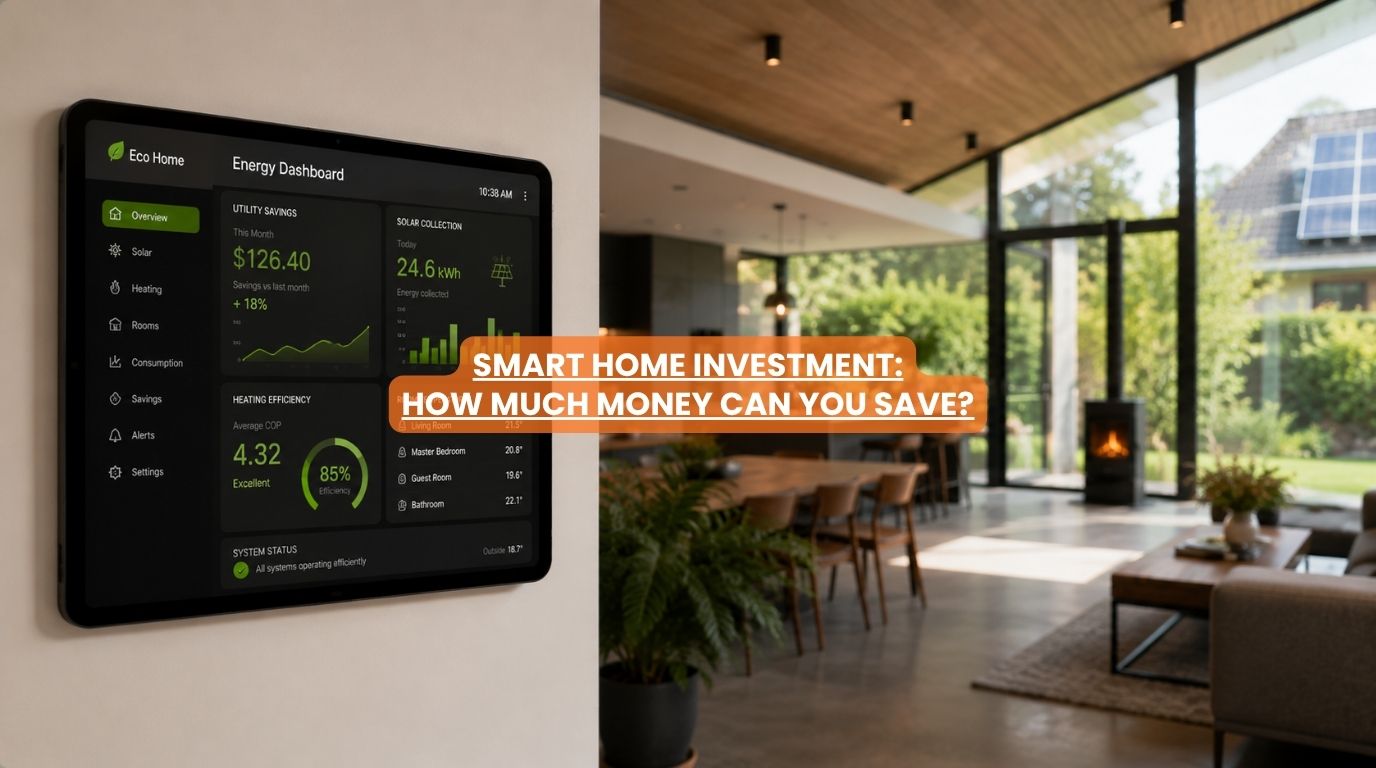
When most people think about smart home automation, they think about convenience. They imagine:
- Voice-controlled lighting
- Automated curtains
- Smart security systems
- Mobile app control
But increasingly, homeowners are asking a different question: “Can smart home investment actually save me money?”
It’s a fair question. After all, installing automation requires an investment.
At Techtastic, one of the most common concerns we hear from homeowners is whether smart home investment delivers measurable financial value beyond comfort and convenience. The answer is yes—but perhaps not in the way most people expect. Smart home automation isn’t a magic tool that instantly cuts utility bills in half. Instead, it reduces waste, improves efficiency, prevents unnecessary expenses, and helps homeowners make better use of resources over time.
Let’s explore where those savings actually come from.
Summary
Smart home investment can save homeowners money through energy-efficient lighting, automated climate control, intelligent curtain management, occupancy-based automation, water leak detection, and optimized energy consumption. While savings vary depending on home size and automation features, many homeowners reduce energy waste while improving comfort and convenience. Beyond utility savings, automation can also contribute to property value, equipment longevity, and reduced maintenance costs.
Quick Answer
Smart home investment can help homeowners save money by reducing unnecessary energy consumption, improving climate efficiency, automating lighting schedules, preventing costly water damage, optimizing HVAC usage, and improving overall household efficiency. While actual savings vary, the biggest financial benefits often come from energy management, preventive monitoring, and reducing waste rather than simply controlling devices remotely.
How Smart Home Automation Creates Savings
The biggest misconception is that automation saves money through technology alone. In reality, smart home investment saves money by changing behavior.
Most households waste energy because:
- Lights remain on unnecessarily
- Air conditioning runs when nobody is home
- Curtains allow excessive heat gain
- Appliances operate inefficiently
- Problems go unnoticed until costly damage occurs
Automation helps reduce these inefficiencies.
1. Smart Lighting Reduces Energy Waste
Lighting is often the easiest place to see savings. Many homeowners accidentally leave lights on in:
- Bedrooms
- Bathrooms
- Hallways
- Outdoor areas
Smart lighting systems can automatically:
- Turn lights off when rooms are empty
- Adjust brightness levels
- Follow schedules
- Respond to daylight conditions
Example
Instead of leaving outdoor lights running all night:
- Lights activate at sunset
- Turn off automatically when no longer needed
Small improvements add up over time.
2. Climate Control Delivers Some of the Largest Savings
Heating and cooling are among the biggest household energy expenses.
Automation helps by:
- Adjusting temperatures based on occupancy
- Reducing unnecessary HVAC operation
- Managing cooling schedules
- Optimizing comfort zones
Example
When the family leaves home:
- Air conditioning automatically adjusts
- Energy consumption drops
When residents return:
- Comfort settings restore automatically
This improves efficiency without sacrificing comfort.
3. Motorized Curtains Help Reduce Cooling Costs
Many homeowners overlook the impact of sunlight.
Large windows can significantly increase indoor temperatures.
Motorized curtains can automatically:
- Close during peak sunlight hours
- Open during cooler periods
- Work alongside climate systems
This reduces HVAC workload.
Benefits Include
- Lower cooling demand
- Improved comfort
- Better energy management
For homes with extensive glass surfaces, the impact can be substantial.
4. Occupancy-Based Automation Eliminates Waste
One of the smartest features of modern automation is occupancy awareness.
Systems can detect whether spaces are being used.
Examples:
Empty Room
The lights switch off.
Unused Area
Climate settings reduce energy consumption.
Unoccupied Property
Automation enters energy-saving mode.
This prevents unnecessary resource usage.
5. Water Leak Detection Can Prevent Expensive Repairs
One of the biggest hidden financial benefits comes from prevention.
Water leaks can cause:
- Structural damage
- Flooring replacement
- Mold growth
- Furniture damage
Smart leak detection systems can:
- Identify problems early
- Send notifications
- Trigger automated responses
Avoiding a single major leak may justify the investment in monitoring technology.
6. Smart Security Can Reduce Risk
While security systems don’t directly reduce utility bills, they can help protect against:
- Break-ins
- Property damage
- Unauthorized access
Features such as:
- Smart locks
- Surveillance systems
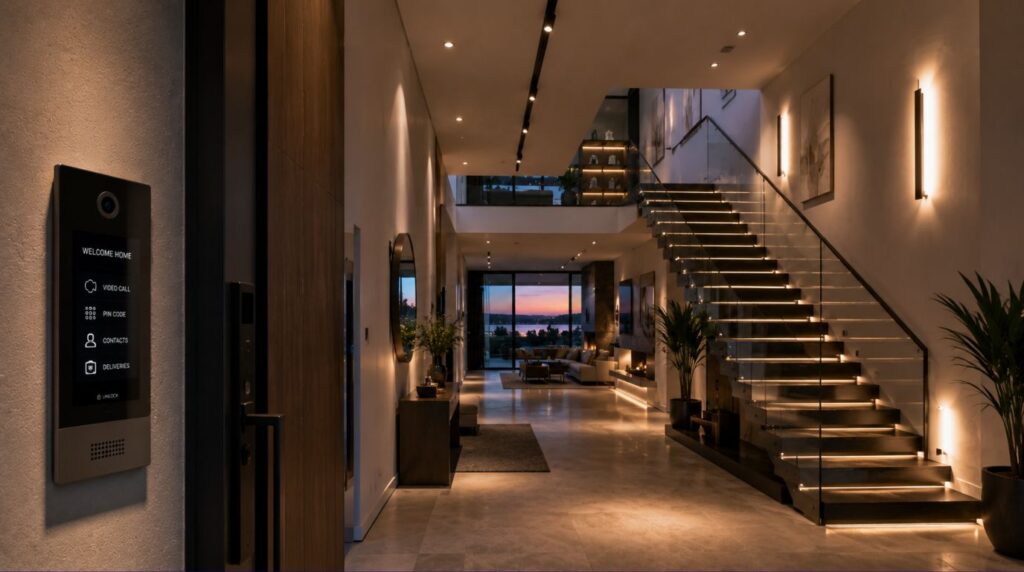
- Video door phones
- Motion detection
Help reduce exposure to costly incidents.
7. Energy Monitoring Creates Better Habits
Many homeowners simply don’t know where energy is being consumed.
Automation platforms can provide visibility into:
- Usage patterns
- High-consumption devices
- Peak energy periods
Awareness often leads to smarter decisions.
And smarter decisions often lead to savings.
Real Savings vs Marketing Claims
It’s important to set realistic expectations.
Smart home investment should not be viewed solely as a utility bill reduction strategy.
The biggest value comes from a combination of:
- Energy savings
- Convenience
- Comfort
- Security
- Preventive maintenance
- Property value enhancement
When viewed holistically, the return becomes much more compelling.
Areas Where Smart Home Automation Saves Money
| Feature | Potential Smart Home Investment & Savings Area |
| Smart lighting | Reduced electricity usage |
| Climate automation | HVAC efficiency |
| Motorized curtains | Cooling cost reduction |
| Occupancy sensors | Reduced waste |
| Leak detection | Preventive repair savings |
| Smart security | Risk reduction |
| Energy monitoring | Better consumption habits |
| Automated schedules | Operational efficiency |
Savings often come from multiple small improvements working together.
What Impacts Potential Savings?
Not every home saves the same amount.
Factors include:
Home Size
Larger homes generally have greater savings opportunities.
Climate
Cooling-intensive regions often benefit more.
Existing Habits
Homes with significant energy waste see larger improvements.
Automation Features Installed
Some systems deliver greater efficiency gains than others.
Occupancy Patterns
Automation is especially valuable in homes with variable schedules.
Smart Home Automation vs Manual Management
| Manual Home Management | Smart Home Automation |
| Human-dependent | Automated optimization |
| Inconsistent habits | Consistent operation |
| Delayed response | Real-time adjustments |
| Reactive management | Proactive management |
| Limited visibility | Energy insights |
Automation helps create consistency that humans often struggle to maintain.
The Hidden Financial Benefits of Smart Home Investment
Some of the most valuable benefits are difficult to measure directly. Examples include:
Reduced Equipment Wear
HVAC systems may operate more efficiently.
Better Property Appeal
Future buyers increasingly value automation.
Fewer Maintenance Issues
Early problem detection reduces repair costs.
Time Savings
Convenience itself has value.
These indirect smart home investment benefits often accumulate over many years.
Why It Matters for Modern Homes
Energy prices continue rising.
Homeowners increasingly seek:
- Efficiency
- Sustainability
- Cost control
- Future readiness
Smart home investment helps address all of these goals while improving daily living. The result is not simply a smarter home—but a more efficient one.
Our Perspective at Techtastic
At Techtastic, we encourage homeowners to think about automation as a long-term lifestyle investment rather than a short-term utility-saving tool.
The biggest financial gains typically come from:
- Energy optimization
- Intelligent climate control
- Automated lighting
- Leak prevention
- Improved operational efficiency
We often find that homeowners initially choose automation for convenience but continue appreciating it because of the efficiency and long-term value it creates. The most successful smart home investment is the one that saves money while making life easier.
Collaboration Opportunities for Developers, Architects & Interior Designers
Energy-efficient automation begins during planning. At Techtastic, we collaborate with:
- Architects
- Interior designers
- Residential developers
- Luxury home builders
- Hospitality consultants
- Commercial project planners
Energy-Efficient Home Design
Integrate automation into sustainability strategies.
Smart Lighting Planning
Reduce energy consumption.
Climate Automation Integration
Improve HVAC performance.
Intelligent Window Management
Support passive energy efficiency.
Luxury Residential Projects
Deliver comfort and operational savings.
Future-Ready Developments
Create homes optimized for long-term performance.
Early planning maximizes both efficiency and homeowner value.
Key Takeaways on Smart Home Investment
- Smart home automation saves money primarily by reducing waste.
- Climate control automation often delivers the greatest smart home investment & savings.
- Smart lighting helps eliminate unnecessary energy use.
- Motorized curtains can improve cooling efficiency.
- Leak detection systems help prevent costly repairs.
- Energy monitoring encourages smarter consumption habits.
- The biggest smart home investment value comes from combining efficiency, convenience, and preventive management.
Frequently Asked Questions
1. How much money can smart home automation save?
A: Savings vary by home size, usage patterns, and installed features, but automation can reduce waste and improve energy efficiency across multiple systems.
2. Does smart home investment lower electricity bills?
A: Yes. Smart lighting, occupancy sensors, climate control, and automation schedules can help reduce unnecessary energy usage.
3. What smart home feature saves the most money?
A: Climate automation often delivers the largest energy-related savings because HVAC systems typically represent a significant portion of household energy consumption.
4. Do motorized curtains save energy?
A: Yes. Automated curtain management can reduce heat gain and improve cooling efficiency.
5. Can smart home investment reduce maintenance costs?
A: Yes. Features such as leak detection and preventive monitoring can help avoid expensive repairs.
6. Is smart home automation worth the investment?
A: For many homeowners, the combination of convenience, efficiency, security, and long-term value makes automation worthwhile.
7. Do smart lighting systems save electricity?
A: Yes. Automated schedules, occupancy sensing, and dimming control can reduce energy waste.
8. Can automation increase property value?
A: Many buyers increasingly view smart home features as desirable upgrades, especially in premium residential markets.
Conclusion
So, how much money can smart home automation save you?
The answer depends on your home, your habits, and the systems you automate. While automation may not dramatically slash utility bills overnight, it can significantly reduce waste, improve efficiency, prevent costly problems, and optimize the way your home operates every day.
At Techtastic, we help homeowners, architects, and developers design smart home ecosystems that combine comfort, convenience, security, and efficiency.
📞 Call/WhatsApp: 9769145145
📍 Our Operational Hubs: Navi Mumbai | Nashik | Lonavla | Sangli
The real value of automation isn’t just saving money—it’s creating a smarter home that works harder so you don’t have to.
Ready to take the next step? Explore our comprehensive breakdown on Smart Home Ideas: Complete Beginner’s Roadmap for 2026 to see how these requirements translate into real-world value for your property.