
Summary
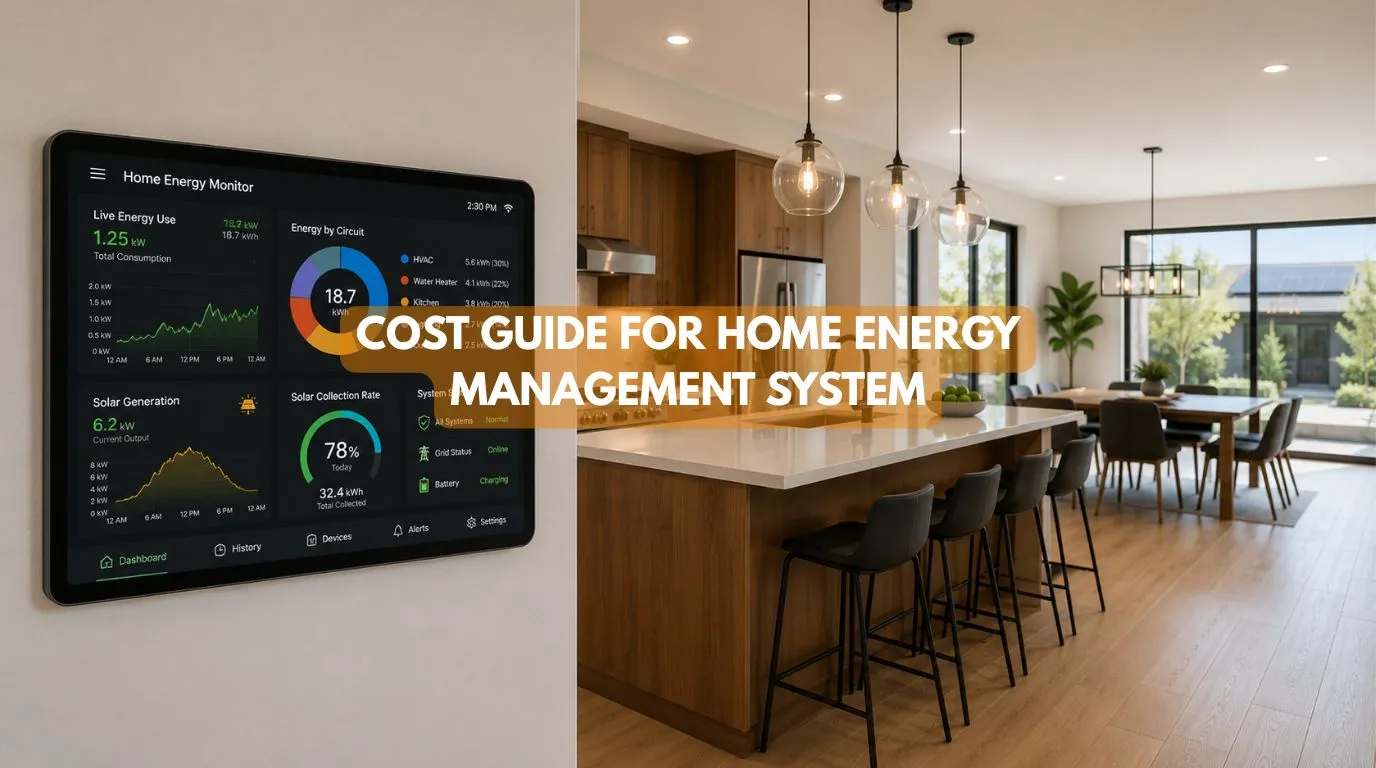
The home energy monitoring system cost depends on the type of monitoring solution, the size of the property, the number of electrical circuits being monitored, and whether it is integrated into a larger smart home automation platform. Standalone energy monitors are generally more affordable, while professionally installed systems integrated with KNX or whole-home automation offer advanced analytics, automation, and long-term energy optimization. The best option depends on your home’s energy usage, future automation plans, and long-term savings goals.
Quick Answer
A home energy monitoring system can range from a simple electricity monitoring device to a fully integrated smart home energy management solution. The total cost depends on the hardware, installation complexity, number of monitored circuits, and whether it integrates with systems such as lighting, HVAC, motorized curtains, solar panels, or KNX home automation. While advanced systems require a higher initial investment, they often provide better visibility into energy consumption, reduce unnecessary electricity usage, and improve long-term efficiency.
How Much Does a Home Energy Monitoring System Actually Cost?
Most homeowners only see one number each month: Their electricity bill. What they don’t see is:
- Which room consumes the most electricity?
- Which appliance runs longer than necessary?
- How much energy does the air conditioner actually use?
- Whether lights are being left on unnecessarily.
- Which devices are increasing monthly bills?
That’s where a home energy monitoring system becomes valuable.
At Techtastic, we often tell homeowners that you can’t optimize what you can’t measure. Understanding exactly where electricity is being used is the first step toward creating a more energy-efficient home. But naturally, the next question is: “How much does a home energy monitoring system actually cost?”
Let’s break it down.
What Is a Home Energy Monitoring System?
A home energy monitoring system tracks electricity consumption throughout your property.
Depending on the system, it can monitor:
- Whole-home energy usage
- Individual electrical circuits
- Air conditioning
- Lighting
- Appliances
- Water heaters
- EV chargers
- Solar generation
- Battery storage
Instead of simply showing your monthly bill, it helps you understand where and when electricity is being consumed.
What Affects Home Energy Monitoring System Cost?
Several factors determine the total investment.
1. Type of Monitoring System
Different homeowners have different needs.
Options include:
Basic Energy Monitors
Track overall electricity consumption.
Suitable for:
- Apartments
- Small homes
- Basic energy awareness
Circuit-Level Monitoring
Tracks individual electrical circuits.
Examples:
- Air conditioning
- Kitchen
- Lighting
- Water heater
Provides far greater insights.
Smart Home Energy Monitoring
Integrated with automation platforms.
Can monitor:
- HVAC
- Lighting
- Motorized curtains
- Appliances
- Solar systems
- Energy storage
This creates a much smarter energy ecosystem.
2. Size of the Home
Larger homes often require:
- Additional sensors
- More monitored circuits
- Larger electrical panels
This increases installation complexity.
3. Number of Circuits Being Monitored
Some homeowners monitor only:
- Total electricity usage
Others want detailed information for:
- Lighting
- Kitchen
- HVAC
- Home theatre
- Outdoor systems
- EV charging
Greater visibility requires more hardware.
4. Integration with Smart Home Automation
Standalone monitoring systems simply collect data. Integrated systems can also act on that data.
For example:
If electricity usage increases unexpectedly:
- Air conditioning adjusts.
- Lights dim automatically.
- Non-essential loads switch off.
This level of automation delivers greater long-term value.
5. Professional Installation
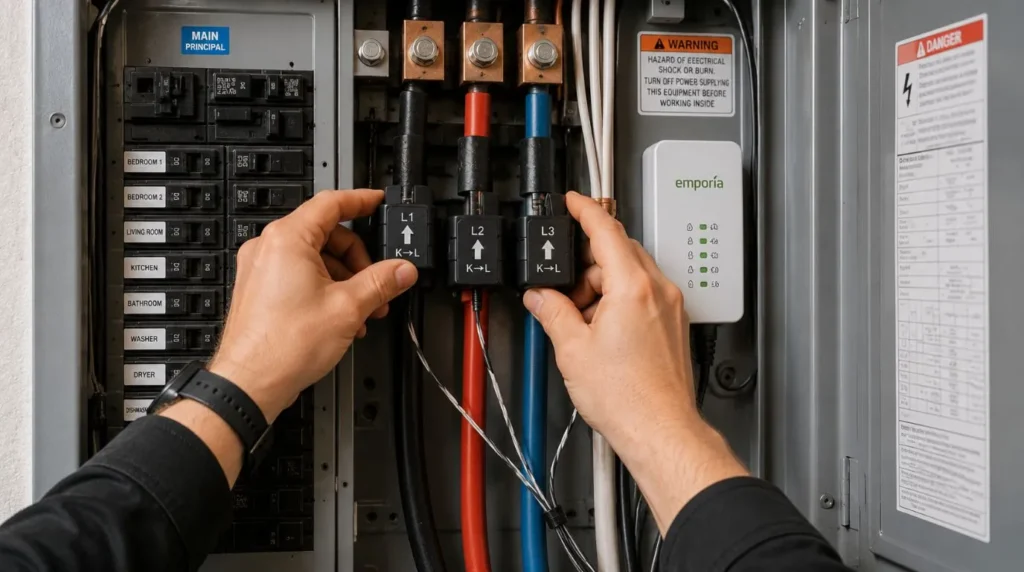
Professional installation typically includes:
- Electrical assessment
- Sensor installation
- System programming
- Dashboard configuration
- Mobile app setup
- Testing
- User training
A professionally installed system provides more accurate and reliable monitoring.
Standalone Monitor vs Integrated Energy Management
| Feature | Standalone Monitor | Smart Home Energy Monitoring |
|---|---|---|
| Displays electricity usage | ✅ | ✅ |
| Circuit-level monitoring | Limited | Advanced |
| Mobile app | Usually | Yes |
| Automation | No | Yes |
| HVAC optimization | No | Yes |
| Lighting optimization | No | Yes |
| KNX integration | No | Yes |
| Long-term scalability | Moderate | Excellent |
For homeowners planning future automation, integrated systems offer significantly greater value.
What Can You Actually Monitor?
A modern energy monitoring system can provide insights into:
Air Conditioning
Often the home’s largest electricity consumer.
Lighting
Track usage by room or zone.
Kitchen Appliances
Understand high-energy appliances.
Water Heaters
Monitor heating schedules.
Home Theatre
Track standby consumption.
Electric Vehicle Chargers
Understand charging patterns.
Solar Energy Production
Compare generation with consumption.
Battery Storage
Monitor charging and discharge cycles.
The more information available, the easier it becomes to reduce unnecessary energy usage.
Can Energy Monitoring Actually Save Money?
Yes, but not by itself. Monitoring doesn’t reduce electricity usage. It reveals opportunities to improve efficiency. For example:
Instead of guessing why your bill increased, you’ll know exactly:
- Which appliance consumed more electricity?
- Which rooms remained occupied?
- Which systems operated longer than expected?
Automation can then optimize those systems.
KNX Home Automation and Energy Monitoring
One of the biggest advantages of KNX home automation is that it doesn’t stop at monitoring. It also responds intelligently. For example:
On a hot afternoon:
- Curtains close automatically.
- Air conditioning adjusts.
- Lighting dims.
- Electricity consumption decreases.
Instead of simply displaying energy data, KNX actively helps optimize energy usage.
Is It Better to Install During Construction?
Yes.
Installing energy monitoring during construction offers several advantages:
- Easier sensor installation
- Better electrical planning
- Cleaner wiring
- Future-ready infrastructure
However, many systems can also be added to existing homes with minimal disruption.
Common Budgeting Mistakes
Buying the Cheapest Monitor
Basic systems often provide limited insights.
Ignoring Future Automation
Energy monitoring becomes more valuable when connected to automation.
Monitoring Only Total Usage
Circuit-level monitoring offers far more useful information.
Overlooking Professional Installation
Accurate installation ensures reliable data.
Not Planning for Solar or EV Charging
Future technologies should be considered during system design.
Is It Worth the Investment?
For many homeowners, yes.
Especially if they:
- Have high electricity bills.
- Own large homes.
- Use multiple air conditioners.
- Plan to install solar panels.
- Want long-term energy efficiency.
The greatest benefit isn’t simply reducing bills. It’s understanding exactly how your home consumes energy.
Why It Matters for Modern Homes
Energy costs continue to rise. At the same time, homes are becoming more connected.
Understanding electricity usage helps homeowners:
- Reduce waste
- Improve comfort
- Optimize automation
- Prepare for renewable energy
- Make better investment decisions
A home energy monitoring system gives you real-time insights into your electricity usage, helping you identify waste, reduce energy costs, and make smarter decisions.
As homes become more connected, a home energy monitoring system is no longer just a convenience, but it’s a valuable tool for improving efficiency and managing energy consumption.
Our Perspective at Techtastic
At Techtastic, we believe energy monitoring shouldn’t exist in isolation. Its real value comes when it’s integrated with lighting, HVAC, motorized curtains, occupancy sensing, and automation. Instead of simply showing electricity consumption, we design systems that respond intelligently to it.
Our goal isn’t just to help homeowners understand their energy usage, but it is to help their homes automatically become more efficient over time.
Collaboration Opportunities for Developers, Architects & Interior Designers
Energy-efficient homes begin during the planning stage.
At Techtastic, we collaborate with:
- Architects
- Interior designers
- Residential developers
- Luxury home builders
- Hospitality consultants
- Commercial project planners
Energy Infrastructure Planning
Prepare homes for intelligent monitoring.
Smart Electrical Design
Improve long-term efficiency.
KNX Energy Management
Create integrated automation systems.
Sustainable Residential Projects
Support lower operating costs.
Luxury Smart Homes
Combine premium living with intelligent energy optimization.
Future-Ready Developments
Design properties prepared for solar, EV charging, and evolving energy technologies.
Early planning delivers smarter homes with lower long-term operating costs.
Key Takeaways
- Home energy monitoring system costs depend on the monitoring level, installation complexity, and integration requirements.
- Circuit-level monitoring provides more valuable insights than whole-home monitoring alone.
- Integrated smart home systems offer automation in addition to monitoring.
- KNX combines a home energy monitoring system with intelligent energy optimization.
- Professional installation ensures accurate measurements and future scalability.
- Energy monitoring helps identify waste and improve efficiency.
- Planning for future technologies like solar and EV charging maximizes long-term value.
Frequently Asked Questions
1. How much does a home energy monitoring system cost?
A. The cost depends on the type of monitoring system, the number of electrical circuits, installation complexity, and whether it’s integrated into a smart home automation platform.
2. Is a home energy monitoring system worth it?
A. Yes. It helps homeowners understand electricity usage, identify inefficiencies, and make informed decisions about energy consumption.
3. Can a home energy monitoring system reduce electricity bills?
A. Indirectly, yes. Monitoring identifies where energy is being wasted so homeowners and automation systems can improve efficiency.
4. Can I monitor individual appliances?
A. Advanced circuit-level monitoring systems can provide insights into specific appliances or electrical circuits.
5. Does KNX support energy monitoring?
Yes. KNX integrates energy monitoring with intelligent automation to optimize lighting, HVAC, and other connected systems.
6. Can energy monitoring be added to an existing home?
A. Yes. Many systems can be retrofitted into existing homes, although new construction offers greater installation flexibility.
7. Will a home energy monitoring system work with solar panels?
A. Yes. Many advanced systems can monitor both solar energy production and household electricity consumption.
8. Should I hire a professional installer?
A. Yes. Professional installation ensures accurate monitoring, reliable integration, and long-term performance.
Conclusion
The home energy monitoring system cost depends on the level of visibility, automation, and future scalability you want for your home. While basic systems simply display electricity usage, advanced integrated solutions provide actionable insights and work alongside automation platforms like KNX to optimize lighting, climate control, and appliance usage automatically.
At Techtastic, we design energy monitoring solutions that do more than collect data—they help homeowners build smarter, more efficient homes.
📞 Call/WhatsApp: 9769145145
📍 Our Operational Hubs: Navi Mumbai | Nashik | Lonavla | Sangli
Whether you’re upgrading an existing property or planning a new construction project, our integrated approach combines energy visibility, intelligent automation, and future-ready technology to deliver long-term savings, comfort, and peace of mind.
Looking for the best features to start with? Check out our practical guide on Will Smart Home Energy Management Save You Money in 2026? to plan a system that saves you money.