
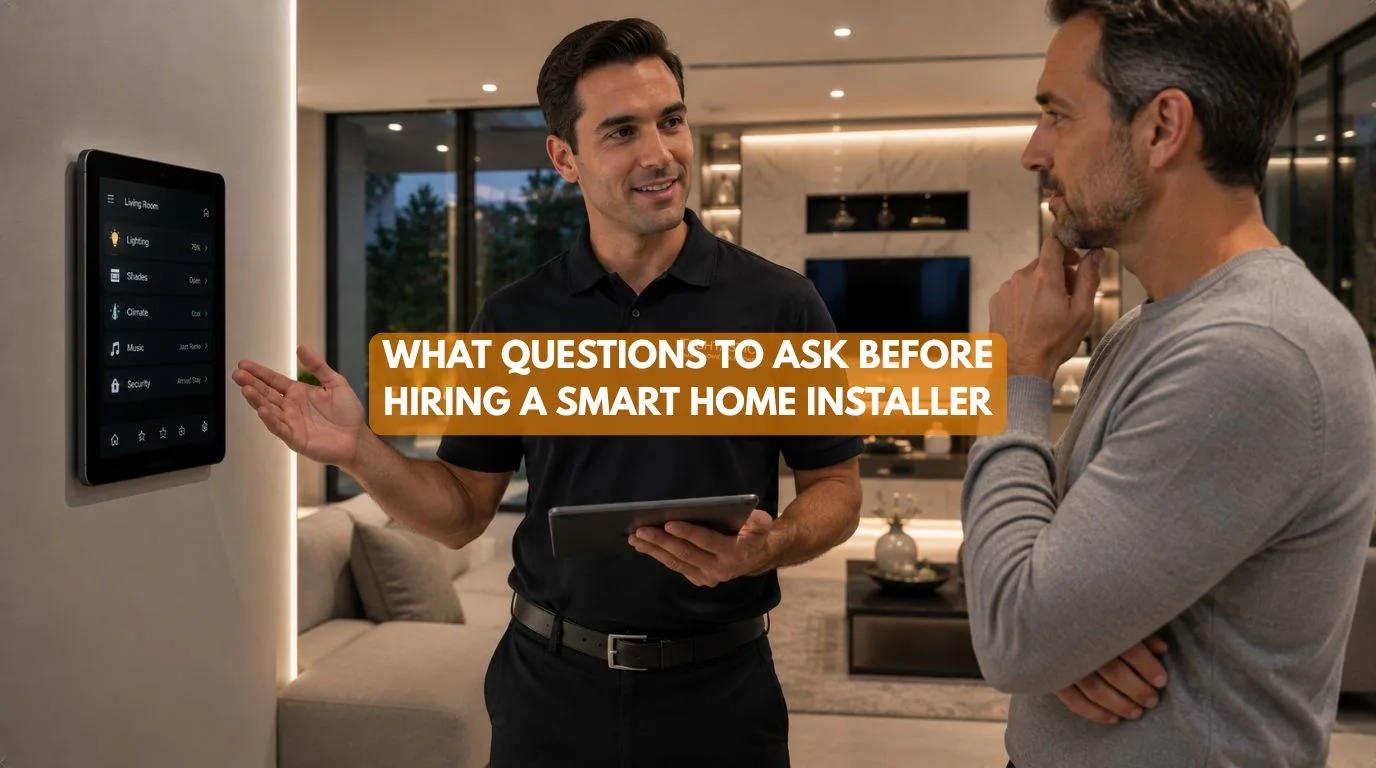
Summary
Hiring the right smart home system installer is just as important as choosing the right technology. Before signing a contract, homeowners should ask about the installer’s experience, completed projects, supported automation platforms, networking expertise, warranties, after-sales support, future scalability, and project timeline. A professional installer should design a solution around your lifestyle rather than simply recommending products. Asking the right questions helps ensure your smart home is reliable, secure, and ready to grow with your future needs.
Quick Answer
Before hiring a smart home system installer, ask about their experience, certifications, project portfolio, supported technologies, networking expertise, installation process, warranty, maintenance services, and future upgrade options. The best smart home system installer should focus on understanding your lifestyle and designing a customized automation system, and not simply selling devices.
What Questions to Ask Before Hiring a Smart Home System Installer?
Building a smart home is a long-term investment. The smart home system installer you choose will influence how reliable, easy to use, and future-ready your home becomes. Unfortunately, many homeowners compare installers based only on price. That’s often where problems begin.
A professional smart home system installer should be able to answer your questions confidently, explain their recommendations clearly, and demonstrate previous work. At Techtastic, we encourage homeowners to ask detailed questions before making a decision.
Here are the most important ones.
1. How Much Experience Do You Have?
Experience often makes the biggest difference.
Ask:
- How many smart home projects have you completed?
- How long have you been installing automation systems?
- What types of homes do you specialize in?
An experienced installer is more likely to anticipate challenges before they become problems.
2. Can You Show Previous Projects?
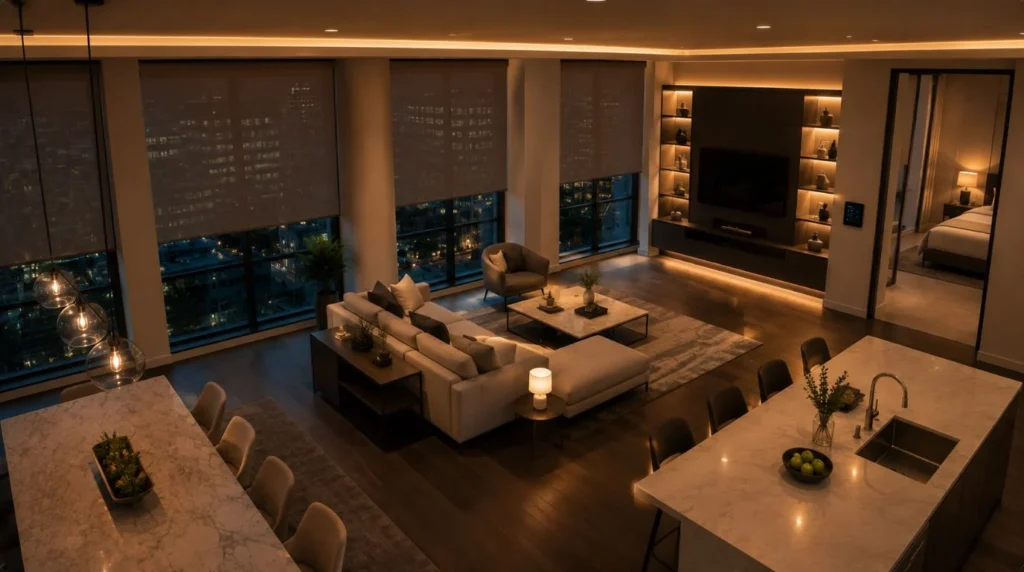
A reliable installer should have a portfolio.
Look for projects involving:
- Smart lighting
- Security systems
- Motorized curtains
- Home theatres
- Climate control
- Whole-home automation
Real examples provide confidence in their workmanship.
3. Which Smart Home Platforms Do You Support?
Avoid companies that recommend only one solution.
Ask whether they work with:
- Wi-Fi automation
- Matter
- Zigbee
- Z-Wave
- KNX home automation
A broader knowledge base usually results in better recommendations.
4. Will You Design the System Around My Lifestyle?
The installer should ask about:
- Your daily routine
- Family members
- Entertainment preferences
- Security priorities
- Plans
Automation should fit your lifestyle, not the other way around.
5. How Will You Handle Networking?
Many smart home issues are actually Wi-Fi issues.
Ask whether they provide:
- Wi-Fi planning
- Mesh networking
- Structured cabling
- Router optimization
Reliable networking is essential for dependable automation.
6. Can My Smart Home Be Expanded Later?
A good smart home system installer should design for the future.
Ask whether you’ll be able to add:
- More lighting
- Smart security
- Motorized curtains
- Home theatre
- Solar integration
- Energy monitoring
Scalability protects your investment.
7. What Happens If Something Stops Working?
Ask about:
- Technical support
- Remote diagnostics
- Response times
- Service visits
- Software updates
Good after-sales support is just as important as installation.
8. Do You Offer a Warranty?
Understand:
- Product warranties
- Installation warranty
- Labour warranty
- Replacement process
Clear warranty policies provide peace of mind.
9. How Long Will Installation Take?
Request a realistic timeline for:
- Planning
- Installation
- Programming
- Testing
- Training
Understanding the schedule helps avoid surprises.
10. Will You Train Me to Use the System?
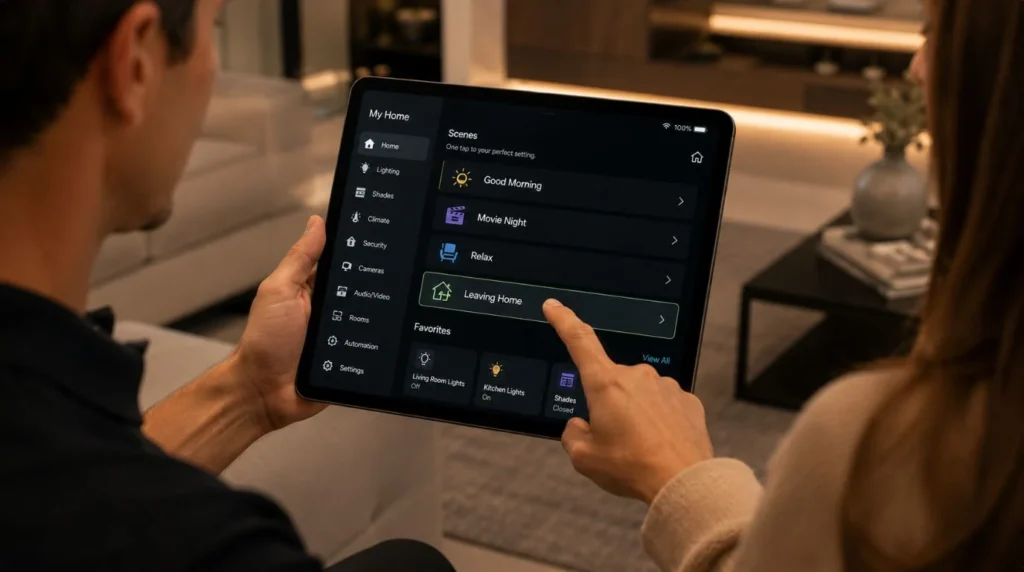
A professional installer should explain:
- Mobile app controls
- Voice assistants
- Automation scenes
- Manual overrides
- Basic troubleshooting
Technology should feel simple from the first day.
11. What Is Included in the Quote?
A detailed quotation should clearly explain:
- Hardware
- Installation
- Programming
- Testing
- Networking
- Training
- Support
This helps prevent unexpected costs later.
12. Do You Work with Architects and Interior Designers?
If you’re building or renovating, coordination matters.
A smart home system installer who collaborates with architects, designers, and builders often delivers a cleaner, more integrated result.
DIY vs Professional Consultation
| DIY Planning | Professional Smart Home System Installer |
|---|---|
| Product research | Complete lifestyle consultation |
| Individual devices | Integrated home automation design |
| Limited networking advice | Professional network planning |
| Self-managed installation | Installation, programming & testing |
| Basic support | Long-term maintenance & upgrades |
Professional guidance often saves money by preventing costly mistakes.
How Much Does It Cost to Hire a Smart Home System Installer?
The cost of hiring a smart home system installer varies depending on the size of your home, the complexity of the automation system, and the technologies involved. Installing a few connected devices requires far less planning than designing a fully integrated smart home with lighting, security, climate control, entertainment systems, and centralized automation.
Several factors influence the overall project cost, including:
- Property size and number of rooms
- Wired or wireless automation systems
- Smart lighting and motorized curtain integration
- Home theatre and multi-room audio
- Security cameras and access control
- Structured networking and Wi-Fi optimization
- KNX or other professional automation platforms
- Programming, testing, and homeowner training
Rather than comparing quotations based solely on price, homeowners should evaluate the overall value offered. A comprehensive consultation, thoughtful system design, quality installation, and dependable after-sales support often deliver significantly greater long-term benefits than choosing the lowest-cost provider.
At Techtastic, we recommend selecting an installer based on experience, technical expertise, and their ability to design a solution that grows with your home’s future requirements.
Why KNX Experience Matters
If you’re planning a premium smart home, ask whether the smart home system installer has experience with KNX home automation.
KNX requires professional design and programming, but offers:
- Exceptional reliability
- Local automation
- Long-term scalability
- Seamless integration of lighting, security, climate control, and motorized curtains
Choosing an experienced KNX installer helps ensure your investment delivers long-term value.
Common Mistakes Homeowners Make
Choosing the Lowest Quote
Lower prices can mean compromises in planning, hardware, or support.
Not Asking About Future Upgrades
Your smart home should grow with your needs.
Ignoring Networking
Reliable automation starts with a reliable network.
Skipping References
Always ask to see completed projects and customer feedback.
Focusing Only on Products
The installer’s expertise is often more valuable than the devices themselves.
Why It Matters
The right smart home system installer creates a smart home that’s:
- Reliable
- Easy to use
- Secure
- Scalable
- Ready for future technology
Taking time to ask the right questions helps you make an informed decision and avoid costly mistakes.
Our Perspective at Techtastic
At Techtastic, we believe every successful smart home begins with a conversation and not a product catalogue.
Our priority is understanding how you live, what challenges you’d like to solve, and how your home may evolve in the future. Only then do we recommend technologies that suit your lifestyle, whether that’s a simple Wi-Fi-based setup or a fully integrated KNX home automation system.
We believe informed homeowners make better decisions, which is why we’re always happy to answer questions before a project begins.
Collaboration Opportunities for Developers, Architects & Interior Designers
The best smart homes are created through collaboration.
At Techtastic, we work alongside:
- Architects
- Interior designers
- Residential developers
- Luxury home builders
- MEP consultants
- Commercial project planners
Smart Home Planning
Integrate automation during the design phase.
KNX Infrastructure
Design scalable systems for long-term performance.
Smart Lighting Design
Coordinate lighting with architectural and interior plans.
Structured Networking
Build dependable digital infrastructure.
Premium Residential Projects
Deliver seamless technology integration.
Future-Ready Developments
Prepare homes for tomorrow’s automation needs.
Early collaboration leads to smoother installations, better coordination, and superior homeowner experiences.
Key Takeaways
- Ask about experience, completed projects, and supported technologies before hiring a smart home system installer.
- Ensure the installer understands networking, not just automation devices.
- Confirm warranty, support, and maintenance services before signing a contract.
- Choose an installer who plans for future expansion.
- Review detailed quotations to understand exactly what’s included.
- Look for experience with KNX if you’re planning premium home automation.
- The right smart home system installer adds long-term value through thoughtful planning and ongoing support.
Frequently Asked Questions
1. What questions should I ask a smart home system installer?
A: Ask about their experience, previous projects, supported platforms, networking expertise, installation process, warranties, after-sales support, and how they plan for future expansion.
2. Why is experience important?
A: Experienced installers are better equipped to design reliable systems, avoid installation mistakes, and recommend the most suitable technologies for your home.
3. Should my installer also handle networking?
A: Yes. A reliable network is essential for a dependable smart home, so your installer should understand Wi-Fi design and structured networking.
4. Is KNX experience necessary?
A: If you’re building a premium home or planning whole-home automation, working with an installer experienced in KNX is highly recommended.
5. What should be included in the installation quote?
A: A professional quotation should include hardware, installation, programming, testing, homeowner training, and any ongoing support or warranty details.
6. Can I expand my smart home later?
A: Yes. A professionally planned system should allow you to add lighting, security, entertainment, climate control, and other smart devices over time.
7. How important is after-sales support?
A: Very important. Ongoing support helps with software updates, troubleshooting, maintenance, and future upgrades.
8. Should I choose the cheapest installer?
A: Not necessarily. It’s usually better to choose an installer based on expertise, service quality, and long-term value rather than the lowest initial price.
Conclusion
Hiring the right smart home system installer starts with asking the right questions. By understanding an installer’s experience, planning process, technology expertise, and long-term support, you can choose a partner who will deliver a smart home that’s reliable, scalable, and built around your lifestyle and not just your budget.
At Techtastic, we believe informed homeowners make the best decisions.
📞 Call/WhatsApp: 9769145145
📍 Our Operational Hubs: Navi Mumbai | Nashik | Lonavla | Sangli
That’s why we focus on transparent consultation, thoughtful system design, and ongoing support to create smart home solutions that continue delivering comfort, security, and convenience for years to come.
Ready to take the next step? Explore our comprehensive breakdown on How To Choose The Best Home Automation Installer (2026).