
Summary
Choosing the right smart home installation company is one of the most important decisions when building a connected home. A reliable installer should offer consultation, system design, professional installation, integration, programming, training, and long-term support, not just device installation. Homeowners should evaluate experience, certifications, technology partnerships, project portfolio, after-sales service, and future scalability before making a decision. Selecting an experienced smart home installation company helps ensure your smart home remains reliable, secure, and easy to expand.
Quick Answer
The best smart home installation company doesn’t simply install devices, but it designs a complete automation solution tailored to your home and lifestyle. Look for a company with proven experience, strong technical expertise, transparent consultation, reliable after-sales support, and experience with professional platforms like KNX. A trusted installer should focus on long-term performance rather than selling individual products.
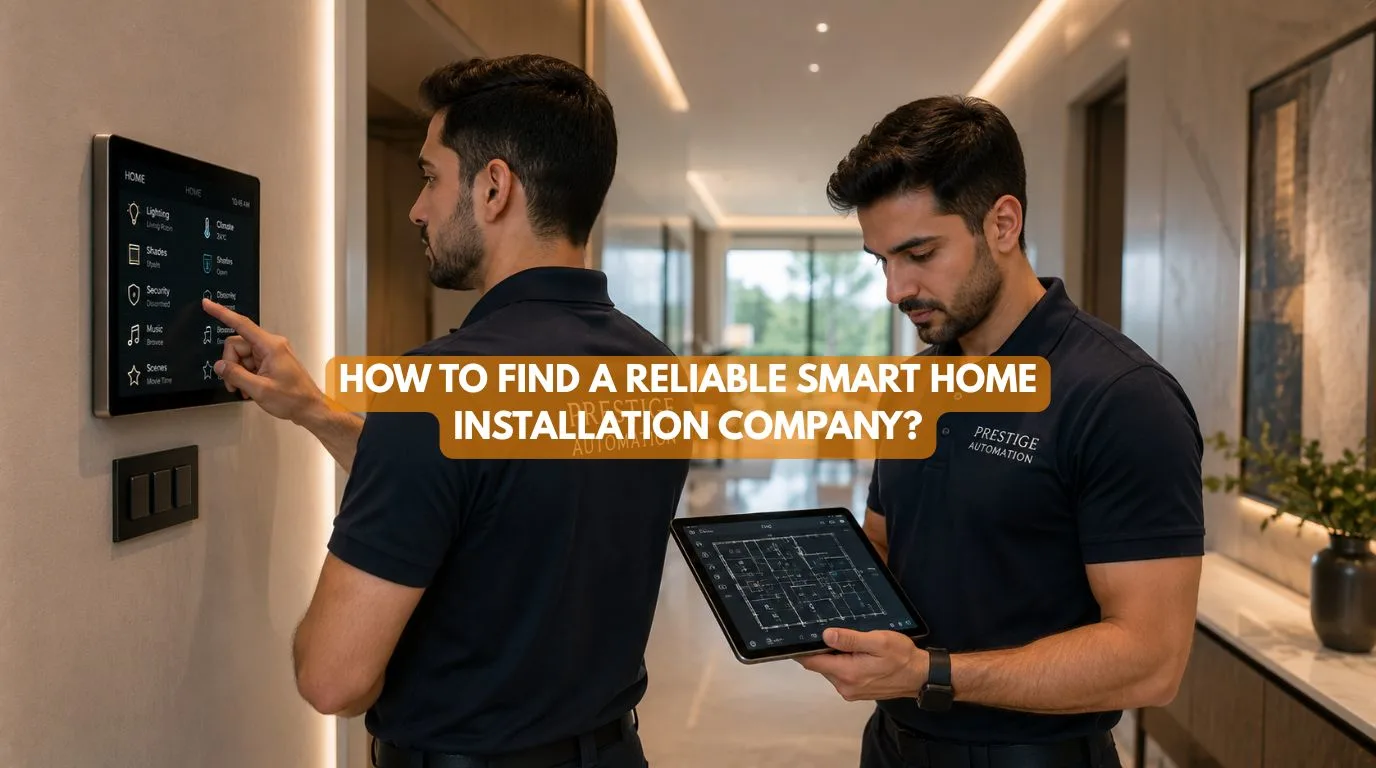
How to Find a Reliable Smart Home Installation Company?
Installing a smart home is a long-term investment. Unlike buying a television or a refrigerator, you’re choosing a company that will help design the technology you’ll use every day for years to come. That’s why selecting the right smart home installation company is just as important as selecting the right products.
At Techtastic, we’ve seen homeowners make one common mistake: They compare prices before comparing expertise.
The result?
- Incompatible devices
- Multiple mobile apps
- Unreliable automation
- Poor Wi-Fi performance
- Expensive upgrades later
A reliable smart home installation company helps you avoid these problems from the beginning.
Here’s what you should look for.
Why Choosing the Right Smart Home Installation Company Matters
A professional installer does far more than connect devices.
They help you plan:
- Lighting automation
- Climate control
- Security
- Motorized curtains
- Entertainment
- Networking
- Future expansion
The goal is to create one intelligent system and not a collection of disconnected gadgets.
1. Look for Real Experience
Experience matters because every home is different.
Ask questions like:
- How many projects have you completed?
- Have you worked on homes similar to mine?
- Do you specialize in apartments, villas, or luxury homes?
- Can you show completed projects?
A proven track record inspires confidence.
2. Choose a Company That Starts with Planning

Be cautious if an installer immediately recommends products.
A good smart home installation company begins by asking questions such as:
- How do you live?
- Which rooms matter most?
- What’s your long-term plan?
- Will you renovate later?
- Which features are your priority?
Smart homes should be designed around people and not products.
3. Check Which Technologies They Support
A reliable company should understand multiple automation platforms.
Examples include:
- Wi-Fi automation
- Zigbee
- Z-Wave
- Matter
- KNX home automation
This allows them to recommend the best solution rather than pushing a single brand.
4. Ask About Networking
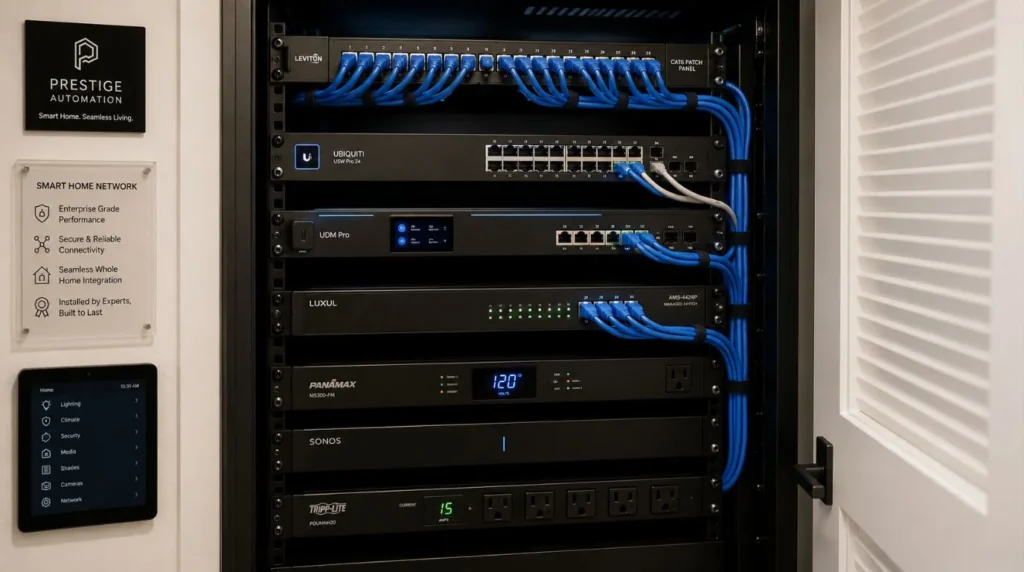
Many smart home problems aren’t caused by smart devices.
They’re caused by poor networking.
A professional installer should also understand:
- Wi-Fi planning
- Mesh networking
- Structured cabling
- Router placement
- Network security
Reliable automation begins with reliable connectivity.
5. Evaluate Their Design Process
A reliable smart home installation company should provide:
- Home assessment
- Device recommendations
- Automation planning
- Lighting design
- System diagrams
- Future expansion planning
A detailed design process reduces installation mistakes and makes future upgrades easier.
6. Look for After-Sales Support
Your smart home doesn’t end on installation day.
Ask about:
- Software updates
- Troubleshooting
- Warranty support
- Maintenance services
- Remote assistance
- System upgrades
Long-term support is just as important as installation quality.
7. Check Their Integration Expertise
A reliable installer should integrate multiple systems, including:
- Smart lighting
- Security
- Motorized curtains
- Smart locks
- Home theatre
- HVAC
- Energy monitoring
Your smart home should operate as one ecosystem.
8. Don’t Choose Only Based on Price
The cheapest quote is rarely the best value.
Low-cost installations often result in:
- Inferior hardware
- Poor planning
- Limited scalability
- Weak after-sales service
Instead of asking, “Who’s the cheapest smart home installation company ?” Ask, “Who will still support my home five years from now?”
9. Ask About Future Expansion
Your automation needs will likely grow.
A good smart home installation company should design a system that’s ready for:
- Additional rooms
- Solar integration
- EV charging
- Advanced security
- Energy management
- Home theatre upgrades
Planning reduces future costs.
10. Read Reviews and Speak to Previous Clients
Before making a decision:
- Read online reviews.
- Ask for references.
- View completed projects.
- Discuss real customer experiences.
Satisfied homeowners are often the best indicator of long-term quality.
DIY vs Professional Installation
| DIY Setup | Professional Smart Home Installation Company |
|---|---|
| Basic device setup | Complete home automation design |
| Limited integration | Whole-home ecosystem |
| Self-managed troubleshooting | Professional support |
| Suitable for simple upgrades | Ideal for integrated smart homes |
| Basic networking | Professional network planning |
| Limited scalability | Future-ready infrastructure |
If you’re planning more than a few smart devices, professional expertise usually delivers better long-term results.
Why KNX Experience Matters
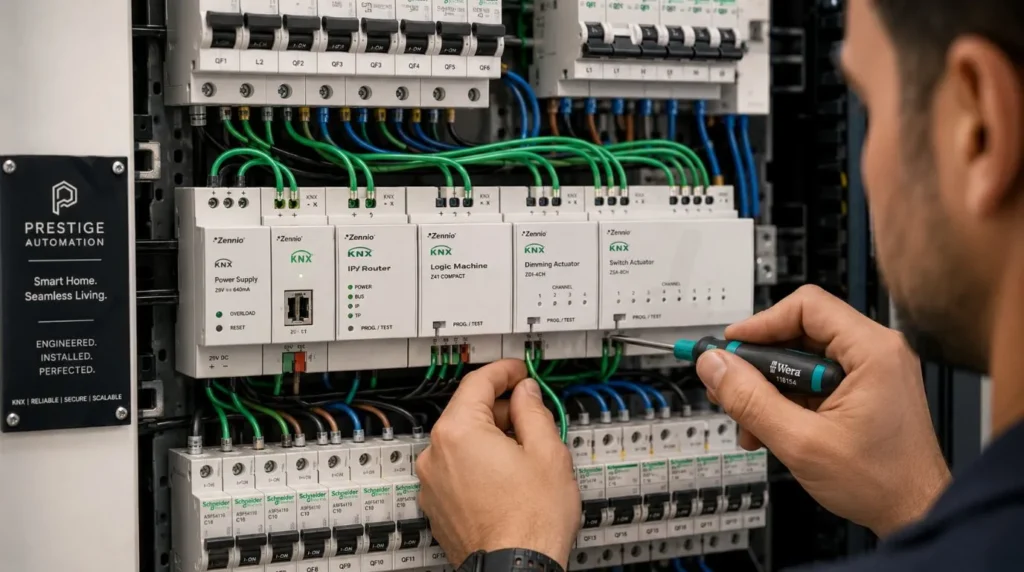
If you’re investing in premium home automation, look for a company experienced in KNX home automation.
KNX installers understand how to integrate:
- Lighting
- Climate control
- Motorized curtains
- Security
- Entertainment
- Energy management
into one highly reliable automation platform.
This creates a smarter, more future-proof home than relying on multiple standalone products.
Common Mistakes When Choosing an Installer
Choosing Only the Lowest Quote
Low prices often mean compromises in planning or support.
Ignoring Long-Term Service
Technology evolves. Choose a company that will continue supporting your system.
Buying Products Before Consulting an Installer
Professional planning prevents compatibility problems.
Choosing Companies That Only Sell One Brand
The best solution should fit your home and not the installer’s inventory.
Forgetting About Future Expansion
A well-designed smart home should grow with your lifestyle.
Why It Matters
Your installer influences:
- Reliability
- Ease of use
- Future upgrades
- Security
- Property value
Choosing the right smart home installation company can make the difference between a smart home that’s effortless to use and one that’s frustrating to manage.
Our Perspective at Techtastic
At Techtastic, we believe successful smart home projects begin with listening and not selling.
Every family lives differently, so every automation system should be designed around individual routines, preferences, and long-term goals. That’s why we begin with consultation and planning before recommending any products.
Our focus is on creating smart homes that remain reliable, intuitive, and easy to expand for years to come. Whether it’s a compact apartment, a luxury villa, or a large residential project, we believe great automation should quietly improve everyday life without adding unnecessary complexity.
Collaboration Opportunities for Developers, Architects & Interior Designers
The best smart home installations begin during the planning stage.
At Techtastic, we collaborate with:
- Architects
- Interior designers
- Residential developers
- Luxury home builders
- Hospitality consultants
- Commercial project planners
Smart Home Master Planning
Design automation before construction begins.
KNX Infrastructure
Create scalable automation systems.
Smart Lighting Design
Develop intuitive lighting experiences.
Structured Networking
Support reliable connected homes.
Premium Residential Projects
Deliver integrated luxury living.
Future-Ready Developments
Prepare homes for evolving automation technologies.
Early collaboration reduces installation complexity while maximizing long-term performance.
Key Takeaways
- Choose a smart home installation company based on expertise, not just price.
- A good installer starts with consultation and system design rather than product recommendations.
- Networking knowledge is essential for reliable smart home performance.
- After-sales support is as important as the initial installation.
- Look for experience with integrated platforms such as KNX if you’re planning whole-home automation.
- Future scalability should be part of the initial design.
- Speaking with previous clients and reviewing completed projects helps verify quality and reliability.
Frequently Asked Questions
1. How do I choose a smart home installation company?
A: Look for experience, technical expertise, project portfolio, consultation process, after-sales support, and the ability to design scalable automation systems rather than simply install devices.
2. Is professional smart home installation worth it?
A: Yes. Professional installation improves reliability, integration, security, and future scalability while reducing compatibility issues.
3. Should the installer also design my smart home?
A: Absolutely. The best installers provide planning, system design, networking advice, installation, programming, and long-term support.
4. Why is networking important in a smart home?
A: Poor networking is one of the most common causes of unreliable automation. A professional installer should understand Wi-Fi design and structured networking.
5. What questions should I ask before hiring a smart home installation company?
A: Ask about their experience, certifications, completed projects, supported technologies, after-sales service, warranty, and future expansion planning.
6. Is KNX better than Wi-Fi automation?
A: For whole-home automation, KNX offers greater reliability, local operation, and long-term scalability, making it an excellent choice for premium residential projects.
7. Can a smart home be upgraded later?
A: Yes. A well-designed system should allow new rooms, devices, and features to be added over time without replacing the existing infrastructure.
8. Why shouldn’t I choose the cheapest installer?
A: The lowest price may not include proper planning, quality hardware, reliable networking, or long-term support. Evaluating total value is usually a better approach than comparing installation costs alone.
Conclusion
Choosing the right smart home installation company is one of the most important decisions you’ll make on your automation journey. A skilled installer doesn’t just connect devices; they design a system that reflects your lifestyle, integrates every technology seamlessly, and remains reliable for years to come. By focusing on experience, planning, networking expertise, after-sales support, and future scalability, you can invest with confidence and avoid many of the common frustrations associated with poorly planned smart homes.
At Techtastic, we partner with homeowners, architects, interior designers, and developers to create intelligent living spaces that are as dependable as they are innovative.
📞 Call/WhatsApp: 9769145145
📍 Our Operational Hubs: Navi Mumbai | Nashik | Lonavla | Sangli
From initial consultation and system design to professional installation and ongoing support, our goal is to deliver smart home solutions that are simple to use, built to last, and ready to evolve with your future needs.
Most automation bugs aren’t caused by faulty hardware, but by poor network layout and messy programming. You can avoid these headaches entirely by investing in a certified smart home installation from the start.