
Summary
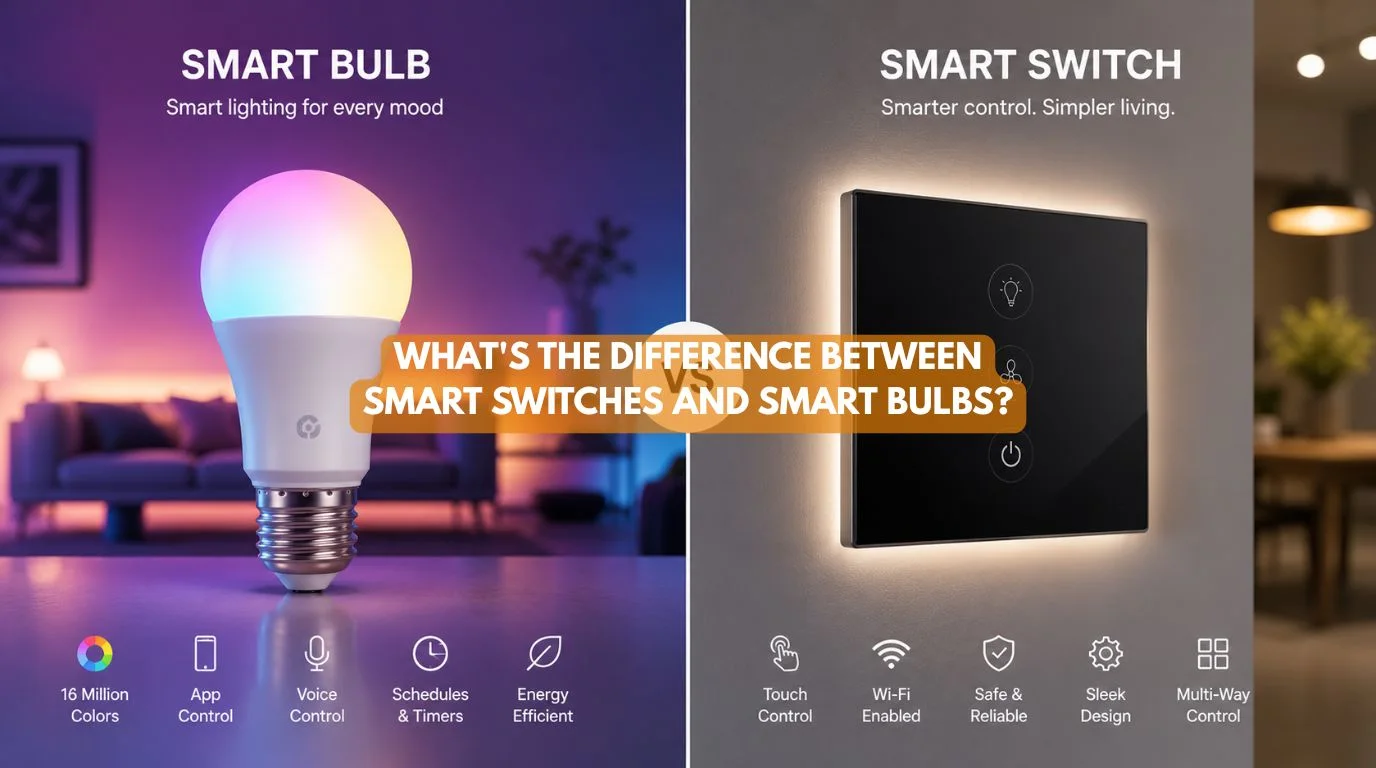
The main difference between smart switches and smart bulbs is how they control lighting. Smart bulbs replace individual light bulbs and provide features like color changing and brightness control, while smart switches replace wall switches and control the electrical circuit itself. Smart bulbs are ideal for renters and individual lamps, whereas smart switches are better for whole-room lighting, long-term reliability, and integrated home automation systems. The best choice depends on your home’s wiring, lighting setup, and future automation goals.
Quick Answer
When comparing smart switches and smart bulbs, neither is universally better; rather, they simply solve different problems. Smart bulbs are easy to install and perfect for individual lamps or renters who want color-changing lights and app control. Smart switches, on the other hand, control the lighting circuit directly, allowing you to automate entire rooms while keeping normal wall switch functionality. For whole-home automation, smart switches generally provide a cleaner, more reliable, and more scalable solution.
What’s the Difference Between Smart Switches and Smart Bulbs?
Smart lighting is often the first step into home automation. But many homeowners immediately face a common question: “Should I buy smart switches or smart bulbs?” At first glance, they seem to do the same thing.
Both allow you to:
- Control lights from your phone
- Schedule lighting
- Use voice assistants
- Create automation routines
However, they work in very different ways.
At Techtastic, we help homeowners choose lighting solutions based on how they actually live and not simply on the latest products.
Understanding the difference between smart switches and smart bulbs can save you money, improve reliability, and help you build a smarter home that’s easier to expand in the future.
What Is a Smart Bulb?
A smart bulb replaces a traditional light bulb. Each bulb connects to your smart home system and can usually be controlled individually.
Popular features include:
- On/off control
- Dimming
- Color changing
- White color temperature adjustment
- Scheduling
- Voice control
Smart bulbs are ideal when you want flexible lighting effects without replacing wall switches.
What Is a Smart Switch?
A smart switch replaces the wall switch instead of the bulb. Rather than controlling one bulb, it controls the entire electrical circuit.
That means one switch can operate:
- Ceiling lights
- Downlights
- Chandeliers
- Multiple fixtures connected to the same switch
The wall switch continues to function normally while adding smart automation features.
Smart Switches and Smart Bulbs: Key Differences
| Feature | Smart Bulbs | Smart Switches |
|---|---|---|
| Replaces | Light bulb | Wall switch |
| Controls | Individual bulb | Entire lighting circuit |
| Installation | Very easy | Professional installation recommended |
| Best for | Lamps & small spaces | Whole-home lighting |
| Physical wall switch | Can affect smart features if turned off | Works like a normal switch |
| Scalability | Moderate | Excellent |
| Long-term automation | Good | Outstanding |
Smart Bulb Advantages
Smart bulbs are popular because they’re simple to start with.
Benefits include:
Easy Installation
Simply replace the existing bulb. No electrical work required.
Color Control
Many models offer:
- Millions of colors
- Adjustable white temperatures
- Mood lighting
Ideal for bedrooms, entertainment rooms, and accent lighting.
Great for Renters
Since bulbs can be removed easily, they’re perfect for apartments and temporary homes.
Affordable Starting Point
Homeowners can begin with one or two bulbs before expanding.
Smart Bulb Limitations
Despite their convenience, smart bulbs have some drawbacks.
Wall Switch Problems
If someone turns off the wall switch:
- The bulb loses power.
- App control stops working.
- Voice control no longer functions.
This is one of the biggest frustrations homeowners experience.
Multiple Bulbs
A room with six downlights may require:
- Six smart bulbs
- Individual configuration
- Multiple firmware updates
Costs can add up quickly.
Smart Switch Advantages
Smart switches solve many of these issues.
Normal Wall Switch Operation
Family members can still use the switch exactly as they always have.
Whole-Room Control
One switch controls:
- Every connected light
- Multiple fixtures
- Ceiling lighting
No need to purchase several smart bulbs.
Better Automation
Smart switches integrate easily with:
- Motion sensors
- Occupancy sensors
- Automation scenes
- Security systems
Greater Reliability
Professional smart switches often continue operating even if the internet goes down.
Smart Switch Limitations
They aren’t perfect for every situation.
Potential drawbacks include:
- Higher installation complexity
- May require electrical modifications
- Professional installation is recommended
- Some apartments may require landlord approval
Which Is Better for Different Homes?
Choosing between smart switches vs smart bulbs is easier when you consider how you use each space. Different homes and rooms benefit from different smart lighting solutions.
Apartments
Often benefit from:
- Smart bulbs
- Wireless smart switches
Especially if permanent modifications aren’t allowed.
Family Homes
Smart switches generally provide:
- Better convenience
- Easier daily operation
- Cleaner automation
Luxury Homes
Professional systems like KNX lighting control typically rely on smart switches rather than individual bulbs.
This delivers:
- Higher reliability
- Better scalability
- Whole-home integration
Can You Use Both Together?
Absolutely. Many homeowners combine both smart switches and smart bulbs.
For example:
Use smart switches for:
- Main lighting
- Ceiling lights
- Hallways
Use smart bulbs for:
- Bedside lamps
- Decorative lighting
- Accent lighting
- Entertainment rooms
This provides the best balance of functionality and flexibility.
Smart Switches and Smart Bulbs for Energy Efficiency
When it comes to smart switches and smart bulbs, both options can improve efficiency through:
- Scheduling
- Occupancy sensing
- Automatic shutoff
- Remote control
Neither technology inherently uses less electricity than the other. The energy savings come from smarter usage and not the device itself.
Smart Switches and KNX Home Automation
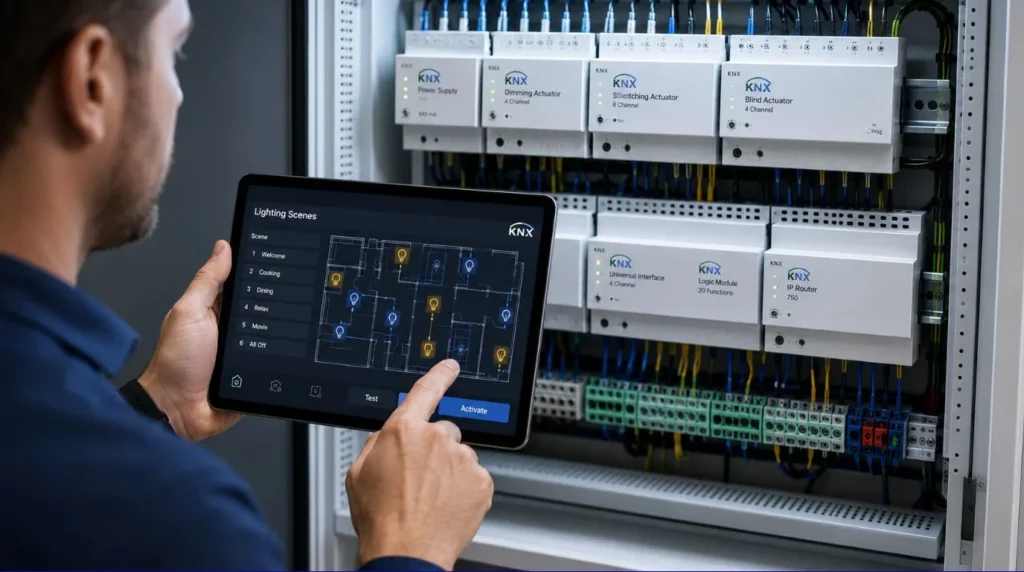
In professional KNX home automation systems, smart switches play a much larger role.
KNX lighting control allows homeowners to integrate:
- Lighting
- Motorized curtains
- HVAC
- Security
- Occupancy sensors
- Energy management
Everything works together through one centralized automation platform. This level of integration isn’t typically possible with standalone smart bulbs.
Common Mistakes Homeowners Make
Many homeowners choose between smart switches and smart bulbs without considering compatibility, wiring, or long-term automation needs. Avoiding these common mistakes can save time, money, and frustration.
Buying Smart Bulbs for Every Room
Costs increase quickly.
Ignoring Existing Wall Switches
Traditional switches can interrupt smart bulb functionality.
Mixing Too Many Smart Home Brands
Multiple apps create unnecessary complexity.
Choosing Products Without Planning
Think about future expansion before buying.
Focusing Only on Initial Cost
Long-term convenience often matters more than the purchase price.
Which Should You Choose Between Smart Switches and Smart Bulbs
Choose smart bulbs if you:
- Rent your home
- Want colorful lighting
- Need quick DIY installation
- Are automating only a few lamps
Choose smart switches if you:
- Own your home
- Want whole-room automation
- Plan to expand your smart home
- Value reliability and everyday convenience
For many homeowners, a combination of both delivers the best experience.
Why It Matters for Modern Homes
As more homes adopt smart lighting, understanding the difference between smart switches and smart bulbs helps homeowners make informed decisions that support long-term automation goals.
Choosing the right technology improves:
- Daily convenience
- Automation reliability
- Energy efficiency
- Future expansion
- Overall smart home experience
A well-planned lighting system becomes the foundation for a smarter home.
Our Perspective at Techtastic
At Techtastic, our smart switches and smart bulbs recommendations are based on your lifestyle, budget, and long-term automation goals rather than trends. Instead, we evaluate how each room is used.
For most homes, we recommend smart switches for primary lighting because they offer better reliability, easier operation for the entire family, and seamless integration with broader automation systems. Smart bulbs still have an important role, particularly for decorative lighting and spaces where color control adds value.
The best smart home combines the strengths of both technologies rather than relying exclusively on one.
Collaboration Opportunities for Developers, Architects & Interior Designers
Lighting decisions have a lasting impact on how homeowners experience their spaces.
At Techtastic, we collaborate with:
- Architects
- Interior designers
- Residential developers
- Luxury home builders
- Hospitality consultants
- Commercial project planners
Smart Lighting Design
Plan lighting around real lifestyles.
KNX Lighting Control
Create scalable automation infrastructure.
Decorative Lighting Integration
Combine smart bulbs with architectural lighting.
Luxury Residential Projects
Deliver premium lighting experiences.
Structured Automation Planning
Support future smart home expansion.
Future-Ready Developments
Build homes designed for intelligent lighting from day one.
Early planning creates cleaner installations, better user experiences, and greater long-term flexibility.
Key Takeaways
- Smart bulbs replace individual light bulbs, while smart switches replace wall switches.
- Smart bulbs are ideal for renters, decorative lighting, and DIY installations.
- Smart switches provide better whole-room control and long-term scalability.
- Professional smart homes typically rely more on smart switches than smart bulbs.
- Choose smart switches and smart bulbs based on your home’s needs, not trends.
- Combining both smart switches and smart bulbs often delivers the best results.
- Smart lighting saves energy through automation rather than the hardware itself.
- Planning your lighting strategy before purchasing devices helps avoid compatibility issues and unnecessary costs.
Frequently Asked Questions
1. What’s the difference between smart switches and smart bulbs?
A: Smart bulbs replace individual bulbs and control each light separately, while smart switches replace wall switches and control the entire lighting circuit.
2. Which is better between smart switches and smart bulbs?
A: It depends on your needs. Smart bulbs are great for renters and decorative lighting, while smart switches are better for whole-home automation and everyday convenience.
3. Can I use smart bulbs with normal switches?
A: Yes, but if someone turns off the wall switch, the smart bulb loses power, and its smart features become unavailable until power is restored.
5. Are smart switches worth it?
A: Yes. They provide reliable whole-room control, preserve normal wall switch operation, and integrate well with advanced automation systems.
6. Can I use smart switches and smart bulbs together?
A: Absolutely. Many homeowners use smart switches for main lighting and smart bulbs for decorative or accent lighting.
7. Which option is better for large homes?
A: Smart switches are generally the better choice because they are more scalable and easier to integrate into professional automation systems like KNX.
8. Do smart bulbs use more electricity?
A: Smart bulbs consume a very small amount of standby power for connectivity, but automation features can help reduce overall lighting energy usage.
9. Do KNX systems use both smart switches and smart bulbs?
A: Professional KNX home automation systems primarily use smart switches and centralized lighting control rather than individual smart bulbs.
Conclusion
Choosing between smart switches and smart bulbs isn’t about finding a single winner, but it’s about selecting the right solution for your home and lifestyle. Smart bulbs are an excellent choice for renters, decorative lighting, and quick DIY upgrades, while smart switches provide greater reliability, whole-room control, and seamless integration for long-term home automation. In many cases, combining both technologies creates the most flexible and user-friendly lighting experience.
At Techtastic, we help homeowners, architects, and developers design lighting systems that go beyond simple remote control.
📞 Call/WhatsApp: 9769145145
📍 Our Operational Hubs: Navi Mumbai | Nashik | Lonavla | Sangli
Whether you’re upgrading one room or building a fully integrated KNX smart home, we create intelligent lighting solutions that balance convenience, aesthetics, energy efficiency, and future scalability while ensuring your investment continues to deliver value for years to come.
Wondering how to manage all these requirements? Read our expert guide on WiFi Smart Switches Explained: Epic Guide 2026 to discover the best way to unify your system’s infrastructure.