
Summary
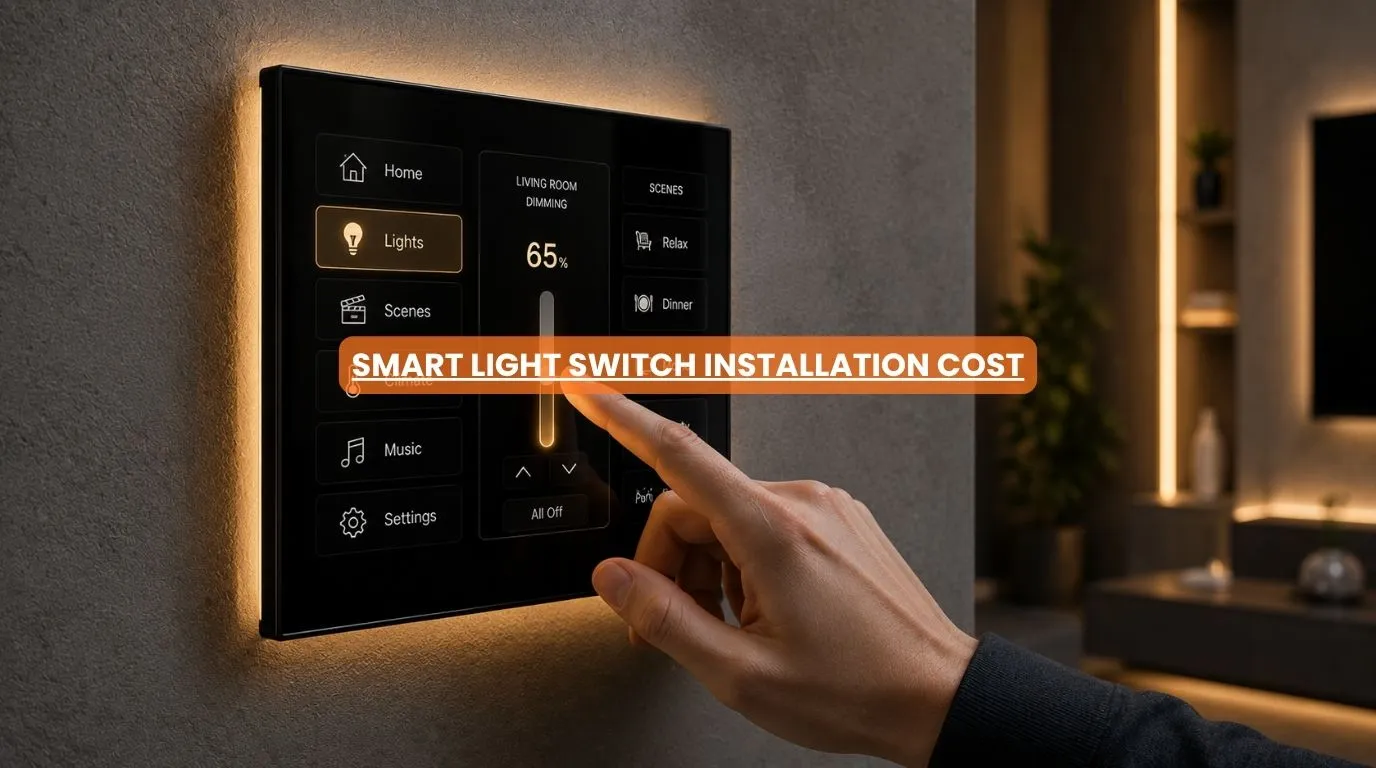
The cost of installing smart light switches depends on the type of switch, the automation platform, wiring requirements, the number of switches, and whether the installation is part of a new construction or retrofit project. Wi-Fi smart switches are generally more affordable for individual rooms, while professional systems such as KNX lighting control involve a higher initial investment but offer greater reliability, scalability, and whole-home integration. The best solution depends on your home’s size, automation goals, and long-term plans.
Quick Answer
The cost of installing a smart light switch varies depending on the type of switch, installation complexity, electrical infrastructure, and automation platform. Basic Wi-Fi smart switches are typically more affordable for individual rooms, while professionally installed systems like KNX offer centralized control, scene automation, and greater long-term scalability. Homeowners should evaluate total value, not just upfront cost, when planning smart lighting upgrades.
How Much Does It Cost to Install Smart Light Switches?
Smart lighting is often the first step homeowners take toward building a smarter home. Replacing traditional switches with smart light switches allows you to:
- Control lights from your phone
- Create lighting scenes
- Use voice assistants
- Schedule lights automatically
- Improve energy efficiency
One of the first questions we hear at Techtastic is: “How much does it cost to install smart light switches?”
The answer isn’t as simple as the price of a single switch. The overall investment depends on several factors, including your home’s wiring, the number of switches, the automation platform you choose, and whether you’re installing the system in a new home or upgrading an existing one.
Let’s break it down.
What Is a Smart Light Switch?
A smart light switch replaces a traditional wall switch and allows you to control lighting using:
- Mobile apps
- Touch panels
- Voice assistants
- Automation schedules
- Motion sensors
- Smart home systems
Unlike smart bulbs, smart switches control the electrical circuit directly, making them suitable for managing multiple light fixtures while preserving the appearance of your home.
What Affects Smart Light Switch Installation Cost?
Several factors influence the total cost.
1. Type of Smart Switch
Not all smart switches are the same.
Popular options include:
- Wi-Fi smart switches
- Zigbee switches
- Z-Wave switches
- KNX switches
- Touch panel switches
Professional automation systems generally involve a higher initial investment but offer significantly more functionality and reliability.
2. Number of Switches
The size of your project plays a major role.
Examples:
- Single-room upgrade
- Entire apartment
- Luxury villa
- Multi-floor residence
The more switches you automate, the more important centralized planning becomes.
3. New Construction vs Existing Home
Installation is often easier during construction.
New Homes
Advantages:
- Concealed wiring
- Better infrastructure planning
- Easier electrical integration
Existing Homes
Retrofit projects may require:
- Electrical modifications
- Additional wiring
- Network upgrades
Battery-free wired solutions often require more planning in existing homes.
4. Wiring Requirements
Some smart switches require:
- Neutral wiring
- Dedicated automation cables
- Additional electrical work
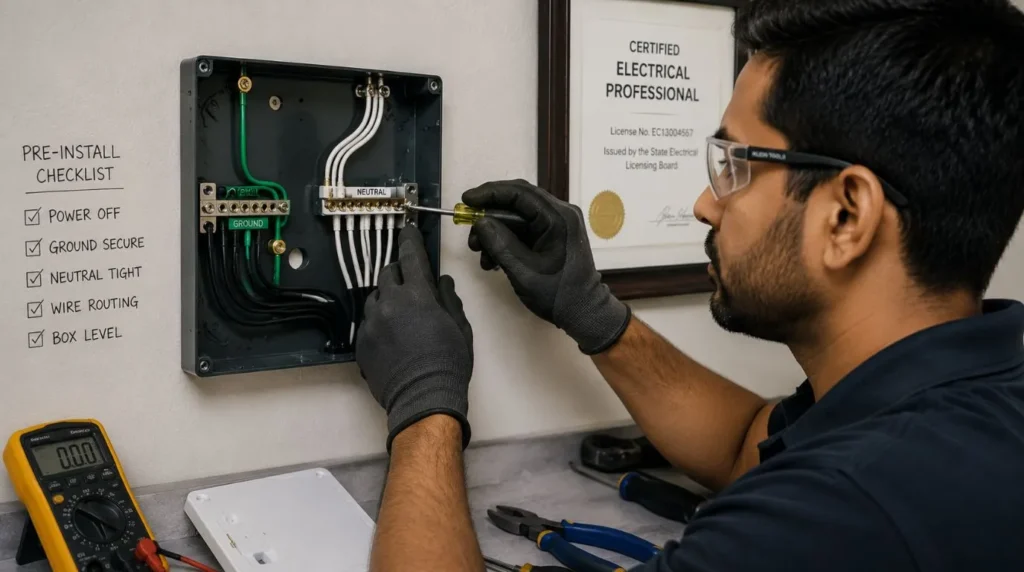
Professional installers evaluate your existing electrical infrastructure before recommending the right solution.
5. Automation Platform
Your choice of automation platform significantly affects the project.
Wi-Fi Smart Switches
Suitable for:
- Small homes
- Individual rooms
- Basic automation
KNX Home Automation
Ideal for:
- Premium residences
- Whole-home lighting
- Integrated automation
- Long-term scalability
The platform you choose influences both installation complexity and future expansion possibilities.
Beyond the Switch: What Are You Really Paying For?
Many homeowners compare only the price of the switch itself. In reality, professional installation includes much more.
Typical project components include:
- Smart switch hardware
- Electrical installation
- Wiring
- Programming
- Mobile app setup
- Scene configuration
- Testing
- User training
- Future expansion planning
You’re investing in a complete lighting experience rather than simply replacing wall switches.
Wi-Fi Smart Switches vs KNX Lighting Control
| Feature | Wi-Fi Smart Switches | KNX Lighting Control |
| Best for | Small projects | Whole-home automation |
| Installation | Easier | Professional planning |
| Scalability | Moderate | Excellent |
| Reliability | Good | Excellent |
| Scene automation | Basic | Advanced |
| Integration | Limited | Extensive |
| Long-term flexibility | Moderate | Excellent |
Both solutions have their place depending on your home’s requirements.
Features That Add Value
Modern smart light switches offer much more than remote control. Common features include:
Lighting Scenes
One tap activates multiple lights.
Dimming
Adjust brightness for different activities.
Occupancy Automation
Lights turn on and off automatically.
Scheduled Lighting
Operate based on time or sunrise and sunset.
Voice Control
Compatible with:
- Amazon Alexa
- Google Assistant
- Apple Siri
Smartphone Control
Operate lighting from anywhere.
These features contribute significantly to everyday convenience.
Can Smart Light Switches Save Money?
Yes, but not because the switches consume less electricity.
Savings come from:
- Automatically turning lights off.
- Dimming lights when full brightness isn’t needed.
- Occupancy-based automation.
- Better energy habits.
The result is reduced unnecessary electricity usage.
Common Mistakes Homeowners Make
Choosing the Cheapest Switch
Low-cost devices may have limited compatibility and reliability.
Ignoring Future Expansion
Today’s lighting project may become tomorrow’s complete smart home.
Overlooking Electrical Infrastructure
A reliable electrical foundation is essential for dependable automation.
Mixing Too Many Ecosystems
Multiple apps and incompatible products can create a frustrating user experience.
DIY Installation for Large Projects
Complex automation systems benefit from professional planning and programming.
Is Professional Installation Worth It?
For a single smart switch, DIY installation may be sufficient.
For larger projects involving:
- Multiple rooms
- Lighting scenes
- Smart home integration
- Motorized curtains
- HVAC control
- KNX home automation
Professional installation typically delivers better results.
Benefits include:
- Reliable operation
- Clean installation
- Future scalability
- Unified control
- Better long-term value
Why It Matters for Modern Homes
Lighting is one of the most frequently used systems in any home.
Automating it improves:
- Convenience
- Comfort
- Energy efficiency
- Security
- Lifestyle
As smart homes become more common, intelligent lighting is quickly becoming an expected feature rather than a luxury.
Our Perspective at Techtastic
At Techtastic, we encourage homeowners to think beyond the price of an individual switch. The real value comes from creating a lighting system that complements the way you live.
We focus on designing solutions that provide:
- Reliable automation
- Elegant switch designs
- Seamless smart home integration
- Future-ready infrastructure
- Long-term scalability
Whether you’re automating one room or an entire villa, thoughtful planning always delivers a better experience than simply replacing switches.
Collaboration Opportunities for Developers, Architects & Interior Designers
Lighting automation delivers the best results when incorporated into the design phase.
At Techtastic, we collaborate with:
- Architects
- Interior designers
- Residential developers
- Luxury home builders
- Hospitality consultants
- Commercial project planners
Smart Lighting Design
Create intuitive lighting experiences.
KNX Lighting Infrastructure
Plan reliable automation systems.
Interior Lighting Coordination
Integrate technology with aesthetics.
Luxury Residential Projects
Deliver premium lighting control.
Hospitality Automation
Enhance guest comfort and efficiency.
Future-Ready Developments
Build homes prepared for intelligent lighting.
Early planning reduces installation complexity and maximizes long-term flexibility.
Key Takeaways
- Smart light switch installation costs depend on the switch type, wiring, installation complexity, and automation platform.
- Wi-Fi switches are suitable for smaller projects, while KNX systems excel in whole-home automation.
- Professional installation includes planning, programming, testing, and future scalability.
- Smart lighting improves convenience, energy efficiency, and home value.
- Automation features such as scenes, occupancy sensing, and scheduling deliver greater everyday benefits.
- Investing in quality infrastructure reduces future upgrade costs.
- Proper planning creates a smarter, more reliable lighting system.
Frequently Asked Questions
1. How much does smart light switch installation cost?
A. The total cost depends on the number of switches, the automation platform, the electrical infrastructure, and installation complexity.
2. Can I install smart light switches in an existing home?
A. Yes. Many smart switches are suitable for retrofit installations, although wiring requirements vary.
3. Are smart light switches worth the investment?
A. For many homeowners, the convenience, energy savings, and automation capabilities make it a worthwhile upgrade.
4. Do smart light switches work without Wi-Fi?
A. Some systems, such as KNX, operate independently of Wi-Fi for core functionality, while many consumer switches rely on wireless connectivity.
5. Can smart switches control multiple lights?
A. Yes. One smart switch can often control an entire lighting circuit, just like a traditional wall switch.
6. Do I need an electrician to install smart switches?
A. Professional installation is recommended, especially for projects involving electrical work or whole-home automation.
7. Can smart light switches be integrated with KNX?
A. Yes. KNX lighting control offers advanced automation, centralized management, and long-term scalability.
8. Can I expand my smart lighting system later?
A. Absolutely. A professionally planned system can easily accommodate additional rooms, scenes, and smart home integrations over time.
Conclusion
The smart light switch installation cost depends on much more than the hardware itself. Your home’s electrical infrastructure, automation platform, number of switches, and future expansion plans all play an important role in determining the overall investment. While simple Wi-Fi switches are ideal for smaller upgrades, professionally designed systems like KNX deliver greater reliability, seamless integration, and long-term flexibility.
At Techtastic, we help homeowners, architects, and developers design smart lighting systems that combine elegant aesthetics with intelligent automation.
📞 Call/WhatsApp: 9769145145
📍 Our Operational Hubs: Navi Mumbai | Nashik | Lonavla | Sangli
Whether you’re upgrading a single room or building a fully connected home, we create lighting solutions that are reliable, scalable, and tailored to the way you live.
Wondering how to manage all these requirements? Read our expert guide on Smart Lighting: Best Lighting Automation Set Up (2026) to discover the best way to integrate lighting infrastructure.