
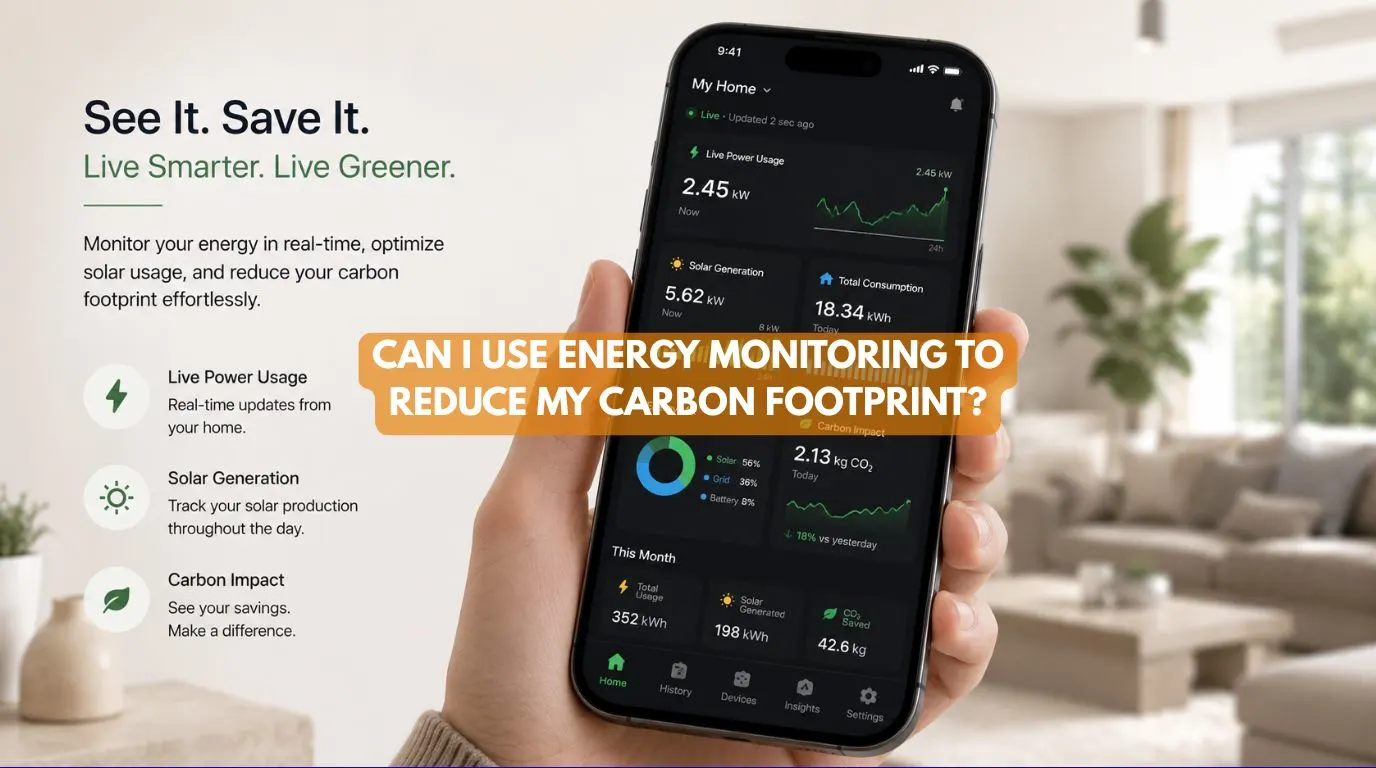
Summary
Yes, home energy monitoring can help reduce your carbon footprint by showing exactly how and when your home consumes electricity. By identifying energy-hungry appliances, unnecessary standby power, and inefficient usage patterns, homeowners can make smarter decisions that reduce electricity consumption and greenhouse gas emissions. When combined with smart home automation, climate control, lighting schedules, and renewable energy systems, energy monitoring becomes a powerful tool for creating a more sustainable and energy-efficient home.
Quick Answer
Yes. Home energy monitoring helps reduce your carbon footprint by giving you real-time insight into your electricity usage. Once you understand where energy is being wasted, you can automate lighting, optimize heating and cooling, reduce standby power, and make more informed decisions that lower both your electricity bills and your home’s environmental impact.
Can I Use Energy Monitoring to Reduce My Carbon Footprint?
Most homeowners know they should use less electricity. The challenge is knowing where that electricity is actually being used. Without accurate information, reducing energy consumption often becomes guesswork.
That’s where home energy monitoring makes a real difference.
Instead of estimating your electricity usage, an energy monitoring system shows exactly which devices consume the most power, when your usage peaks, and where improvements can be made.
At Techtastic, we see energy monitoring as one of the smartest investments for homeowners who want to reduce operating costs while creating a more sustainable home.
What Is Home Energy Monitoring?
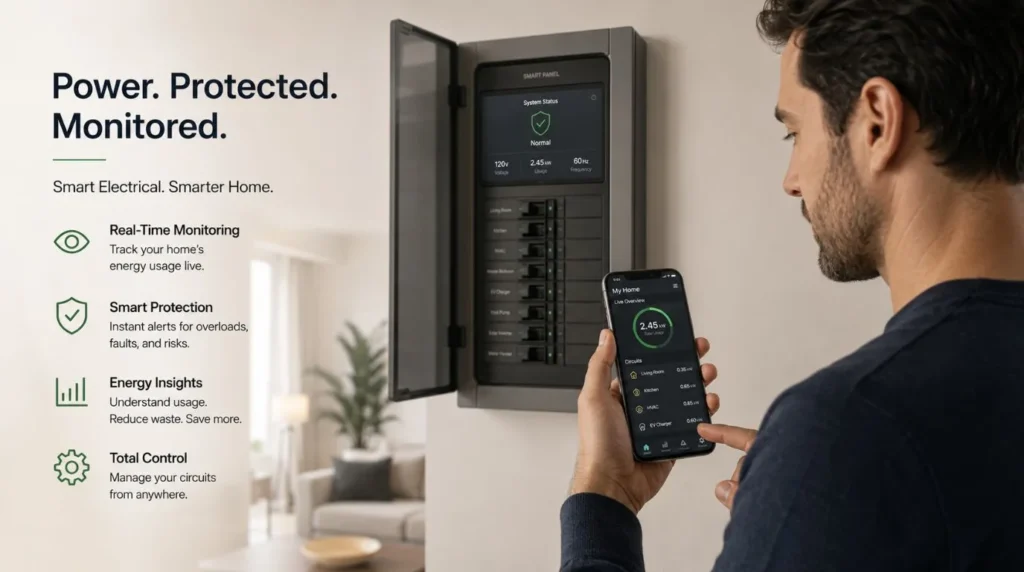
A home energy monitoring system tracks electricity consumption in real time.
It can measure:
- Total household energy usage
- Individual circuit consumption
- High-energy appliances
- Daily and monthly usage patterns
- Peak electricity demand
- Historical energy trends
Instead of waiting for your monthly utility bill, you gain continuous visibility into your home’s energy performance.
How Energy Monitoring Reduces Your Carbon Footprint
Reducing electricity consumption directly lowers the demand for power generation, which can reduce greenhouse gas emissions, especially in regions where electricity is still produced using fossil fuels.
Energy monitoring helps you identify:
Appliances That Use the Most Energy
You can quickly see which devices consume the highest amount of electricity.
Unnecessary Standby Power
Many electronics continue drawing power even when they’re not actively being used.
Inefficient Heating and Cooling
HVAC systems are often the largest energy consumers in a home. Monitoring helps optimize their operation.
Lighting Left On
Automation can ensure lights switch off when rooms are unoccupied.
Peak Usage Times
Understanding when your home uses the most electricity helps you adjust habits and improve efficiency.
Smart Automation Makes Monitoring Even Better
Energy monitoring becomes far more powerful when combined with smart home automation.
Examples include:
Smart Lighting
Automatically switch off unused lights.
Smart Climate Control
Adjust heating or cooling based on occupancy.
Motorized Curtains
Reduce heat gain during summer and retain warmth during winter.
Smart Plugs
Automatically disconnect standby devices.
Energy-Aware Schedules
Run appliances during off-peak hours when appropriate.
Automation helps turn energy insights into everyday savings.
Long-Term Benefits Beyond Lower Bills
Reducing your carbon footprint isn’t the only advantage.
Home energy monitoring can also:
- Extend appliance lifespan
- Detect unusual energy usage
- Improve HVAC efficiency
- Support preventive maintenance
- Increase awareness of household energy habits
Small improvements made consistently often produce significant long-term results.
Integrating Solar and Battery Systems
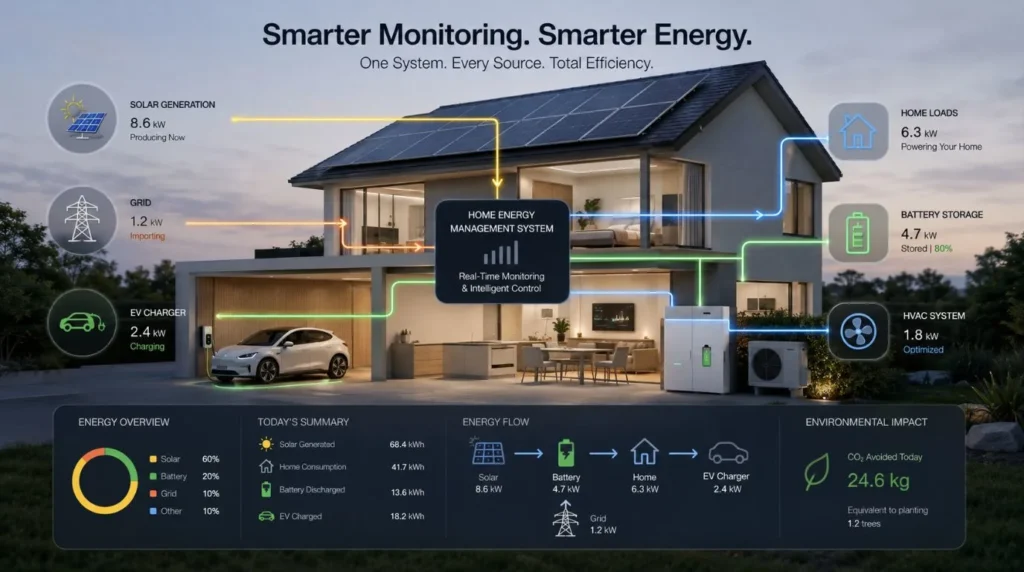
If your home includes:
- Solar panels
- Battery storage
- EV chargers
Energy monitoring helps you:
- Track solar production
- Measure battery usage
- Optimize charging schedules
- Increase self-consumption of renewable energy
This allows homeowners to maximize the environmental and financial benefits of clean energy systems.
Why KNX Energy Management Stands Out
For premium homes, KNX energy management offers much more than simple electricity monitoring.
A KNX system can intelligently coordinate:
- Lighting
- Climate control
- Motorized curtains
- Ventilation
- Solar integration
- Battery storage
- Energy monitoring
Instead of simply displaying consumption data, KNX can automatically adjust building systems to improve efficiency without sacrificing comfort.
Common Energy Monitoring Mistakes
Only Looking at Monthly Bills
Real-time monitoring provides far more actionable information.
Ignoring Small Energy Waste
Many small inefficiencies add up over time.
Monitoring Without Automation
Data becomes more valuable when your smart home can respond automatically.
Forgetting Seasonal Adjustments
Heating and cooling needs change throughout the year. Automation schedules should evolve with the seasons.
Focusing Only on Cost
Lower energy use also contributes to a smaller environmental footprint and more sustainable living.
Why It Matters
Energy monitoring helps create a home that’s:
- More efficient
- More sustainable
- Less expensive to operate
- Better informed
- Easier to optimize over time
The most effective way to reduce energy consumption is to understand it first.
Our Perspective at Techtastic
At Techtastic, we believe homeowners shouldn’t have to choose between comfort and sustainability. By combining intelligent home energy monitoring with automation, we help families reduce unnecessary energy consumption without changing the way they live.
Whether it’s optimizing lighting schedules, improving climate control, or implementing a fully integrated KNX energy management system, our focus is on creating homes that are both environmentally responsible and exceptionally comfortable.
Collaboration Opportunities for Developers, Architects & Interior Designers
Sustainable homes begin with intelligent planning.
At Techtastic, we collaborate with:
- Architects
- Interior designers
- Residential developers
- Luxury home builders
- Sustainability consultants
- MEP consultants
Energy Monitoring Integration
Design homes with real-time energy visibility.
KNX Energy Management
Automate energy optimization across building systems.
Smart Climate Control
Reduce unnecessary heating and cooling.
Solar & Battery Integration
Maximize renewable energy usage.
Premium Sustainable Homes
Create comfortable, energy-efficient living spaces.
Future-Ready Developments
Prepare homes for evolving energy technologies and environmental standards.
Planning energy management early leads to lower operating costs, reduced emissions, and greater long-term value.
Key Takeaways
- Home energy monitoring helps identify where electricity is being used and wasted.
- Understanding energy consumption is the first step toward reducing your carbon footprint.
- Smart automation amplifies energy savings by responding automatically to real-time usage.
- HVAC, lighting, and standby electronics are often the biggest opportunities for improvement.
- Solar panels and battery systems become more effective when combined with energy monitoring.
- KNX energy management can optimize multiple building systems automatically.
- Better visibility leads to smarter decisions, lower electricity bills, and more sustainable living.
Frequently Asked Questions
1. Can home energy monitoring really reduce my carbon footprint?
A. Yes. By identifying unnecessary electricity usage and helping you optimize consumption, energy monitoring reduces overall energy demand, which can lower your home’s environmental impact.
2. Does energy monitoring save money?
A. Yes. Many homeowners reduce electricity costs after identifying inefficient appliances, unnecessary standby power, and opportunities for smarter automation.
3. What appliances usually consume the most electricity?
A. Heating and cooling systems, water heaters, ovens, air conditioners, clothes dryers, and EV chargers are typically among the highest energy consumers in a home.
4. Is energy monitoring useful without solar panels?
A. Absolutely. Even homes without renewable energy benefit from understanding and reducing electricity consumption.
5. Can smart home automation improve energy efficiency?
A. Yes. Automation can switch off unused lighting, adjust climate control based on occupancy, and optimize appliance schedules to reduce unnecessary energy use.
6. What is KNX energy management?
A. KNX energy management integrates energy monitoring with lighting, HVAC, motorized curtains, and other building systems to automatically improve efficiency while maintaining comfort.
7. Can energy monitoring detect faulty appliances?
A. In many cases, yes. Unusual spikes in electricity usage may indicate that an appliance is malfunctioning or operating inefficiently.
8. Is home energy monitoring worth it?
A. For most homeowners, yes. It provides valuable insights that support lower electricity bills, improved efficiency, and long-term sustainability.
Conclusion
Reducing your carbon footprint starts with understanding how your home uses energy. With home energy monitoring, you can identify waste, optimize daily habits, and automate energy-saving actions that lower both your electricity bills and your environmental impact. Small improvements, guided by real-time data, can make a meaningful difference over time.
At Techtastic, we help homeowners combine intelligent home energy monitoring with advanced automation to create homes that are efficient, comfortable, and future-ready. From smart lighting and climate control to fully integrated KNX energy management solutions, we design systems that make sustainable living simple without compromising convenience.
📞 Call/WhatsApp: 9769145145
📍 Our Operational Hubs: Navi Mumbai | Nashik | Lonavla | Sangli
Wondering how to manage all these requirements? Read our expert guide on Smart Thermostat Installation in 2026: DIY or Professional.