
Summary
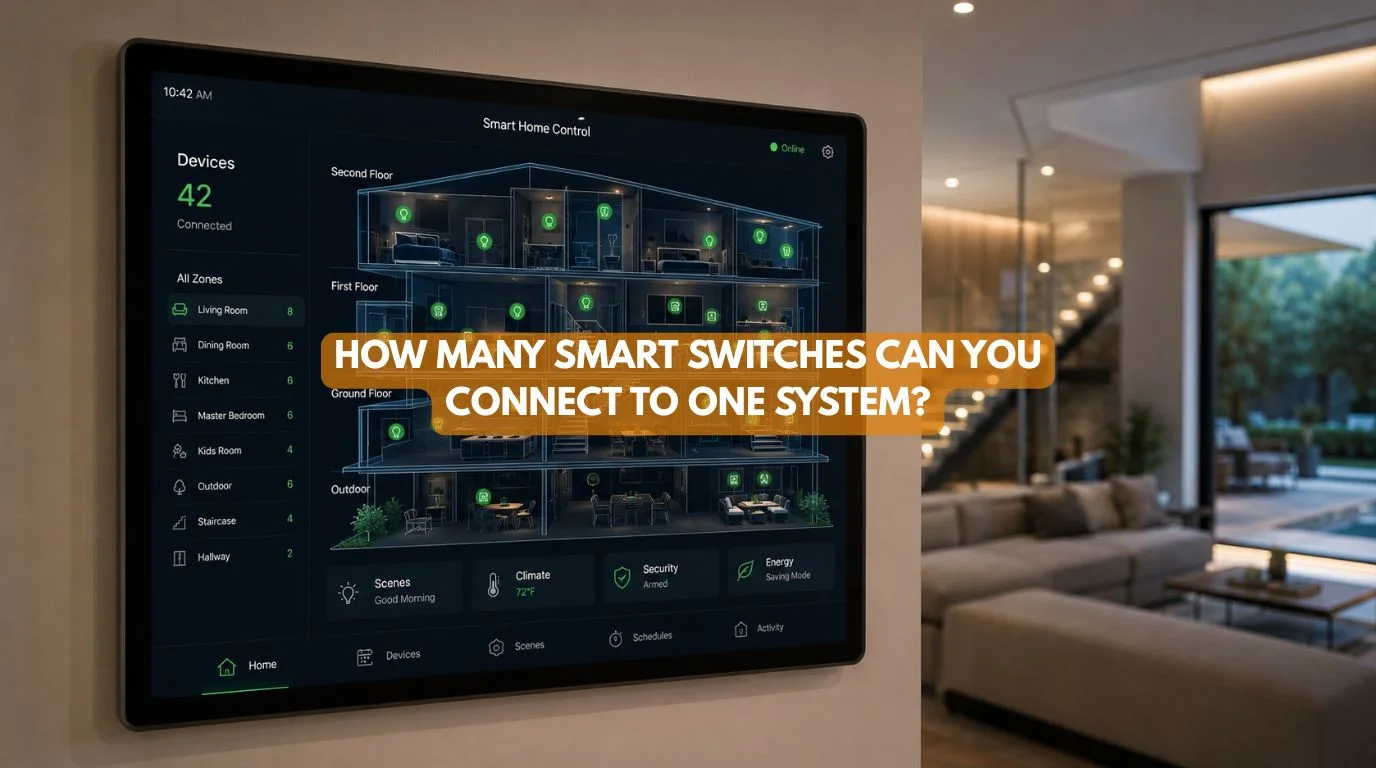
The number of home automation switches you can connect to a single system depends on the automation platform, network design, and communication protocol, rather than on a fixed, universal limit. Consumer smart home systems may have practical limits based on Wi-Fi performance, hubs, or cloud services, while professional platforms like KNX home automation are designed to scale from a few switches to hundreds or even thousands of connected devices across an entire property. The key is choosing a system that supports future expansion from the beginning.
Quick Answer
There is no single limit for home automation switches. The maximum number depends on your smart home platform, network capacity, and installation design. A small apartment may only need a handful of switches, while large homes, villas, hotels, and commercial buildings can operate hundreds of home automation switches when using scalable systems such as KNX home automation.
How Many Smart Switches Can You Connect to One System?
As homeowners begin expanding their smart homes, one question often comes up: “How many home automation switches can I connect before the system reaches its limit?”
The answer is reassuring.
For most homes, you’re far more likely to outgrow your planning than your smart home system. Modern automation platforms are designed to expand over time, allowing you to start with a few home automation switches and gradually automate your entire home.
At Techtastic, we encourage homeowners to think beyond today’s requirements and choose a system that supports tomorrow’s possibilities.
What Determines the Number of Home Automation Switches?
Several factors affect system capacity.
The Automation Platform
Different platforms support different numbers of connected devices.
Some consumer systems are designed for smaller homes, while professional automation platforms are built for much larger installations.
Network Infrastructure
Reliable communication is just as important as the switches themselves.
Factors include:
- Wi-Fi quality
- Wired communication
- Smart hubs
- Network architecture
- Device communication protocols
A strong network ensures every switch responds quickly and consistently.
Home Size
The number of switches often depends on the property itself. For example:
Small Apartment
Typically includes switches for:
- Living room
- Bedrooms
- Kitchen
- Bathroom
Family Home
May include:
- Indoor lighting
- Outdoor lighting
- Garden lighting
- Garage
- Hallways
- Staircases
Luxury Villa
Often expands to include:
- Decorative lighting
- Landscape lighting
- Pool lighting
- Home theatre
- Guest rooms
- Security lighting
- Multiple entertainment zones
Large homes can easily require dozens or even hundreds of home automation switches.
Consumer Smart Systems vs Professional Systems
Consumer Smart Home Platforms
Generally suitable for:
- Apartments
- Small homes
- DIY installations
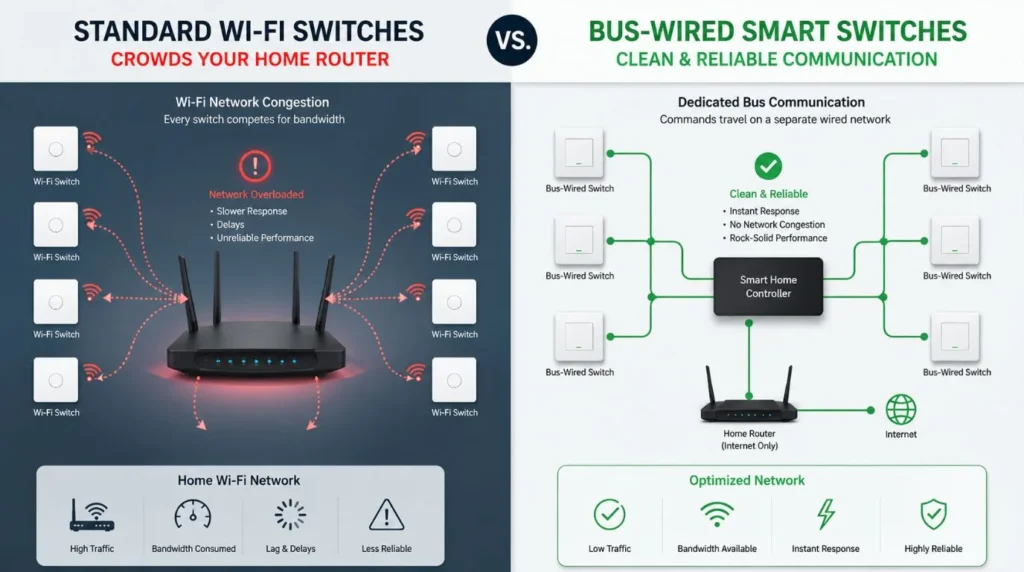
Potential limitations:
- Wi-Fi congestion
- Hub capacity
- Cloud dependence
- Practical device limits
Professional Automation Systems
Designed for:
- Large homes
- Villas
- Luxury residences
- Commercial properties
Advantages:
- Higher scalability
- Local communication
- Better reliability
- Easier long-term expansion
Why KNX Is Built for Scalability
One of the biggest strengths of KNX home automation is that it was designed to grow.
Instead of asking: “How many switches can I install?”
The better question becomes: “How large do I want my smart home to become?”
KNX supports integration of:
- Smart switches
- Lighting
- HVAC
- Motorized curtains
- Security
- Access control
- Energy monitoring
- Audio-visual systems
Because devices communicate over a dedicated automation network, KNX installations can scale from a small apartment to an entire luxury estate or commercial building.
Should You Install All Home Automation Switches at Once?
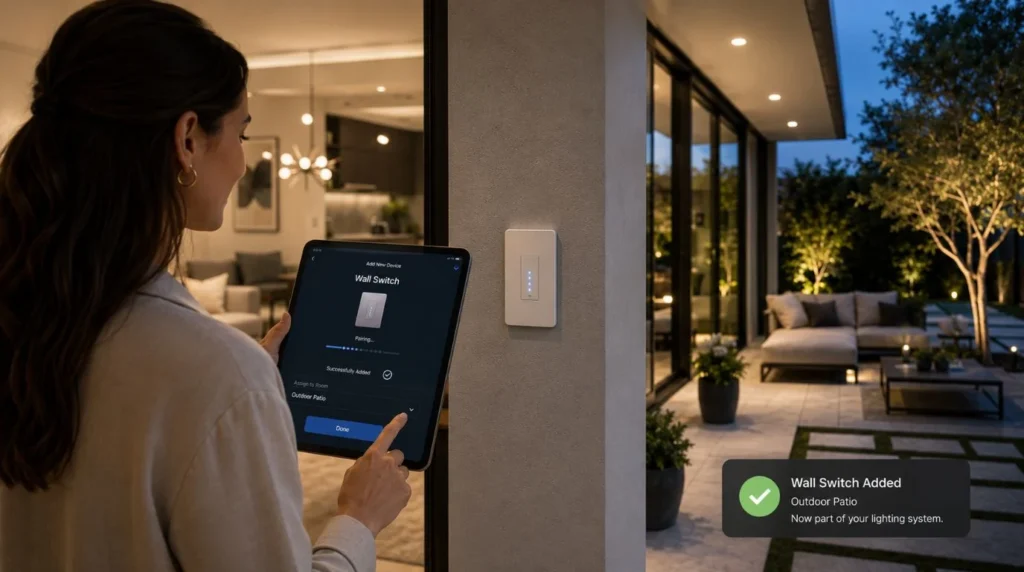
Not necessarily. Many homeowners begin with:
- Main living areas
- Bedrooms
- Outdoor lighting
Then expand later to include:
- Bathrooms
- Garage
- Garden
- Entertainment spaces
- Guest rooms
- Home office
Choosing a scalable system means you can add new switches without replacing your existing infrastructure.
Benefits of Planning for Expansion
A future-ready design allows you to:
- Add new rooms easily.
- Upgrade lighting scenes.
- Integrate new technologies.
- Improve energy efficiency.
- Increase property value.
- Avoid unnecessary rewiring.
Planning often costs less than redesigning the system later.
Common Mistakes
Choosing a System with Limited Scalability
Think beyond your immediate needs.
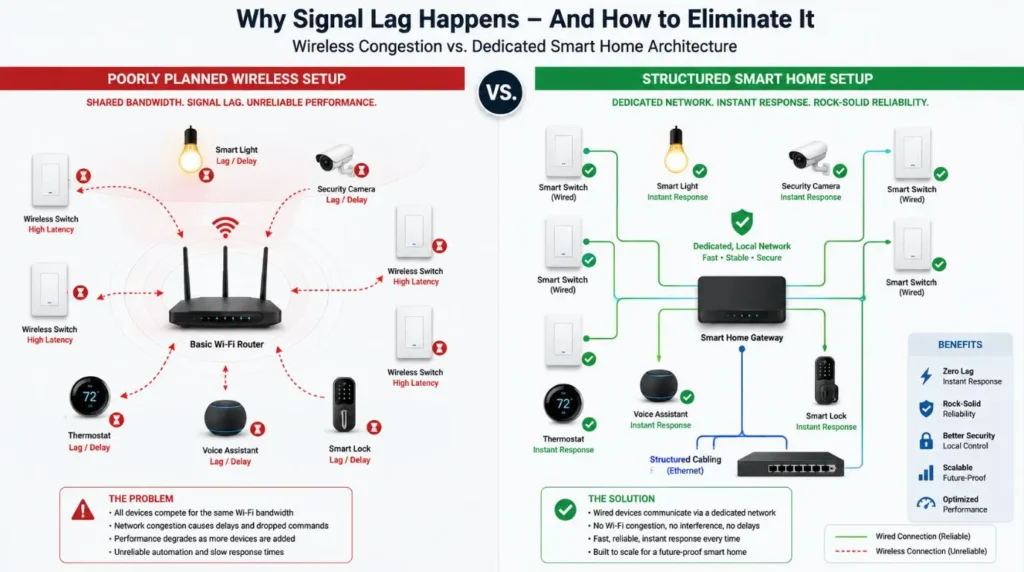
Overloading a Wi-Fi Network
Too many Wi-Fi devices can affect performance if the network isn’t designed correctly.
Mixing Incompatible Products
Check compatibility before adding new devices.
Ignoring Future Renovations
Leave room for additional switches and automation.
Buying Without a Long-Term Plan
A smart home should evolve with your lifestyle.
Why It Matters
The number of home automation switches isn’t the real issue. The real goal is creating a system that:
- Grows with your family.
- Remains reliable.
- Supports future technology.
- Simplifies everyday living.
- Protects your investment.
Scalability is one of the most important features of any smart home.
Our Perspective at Techtastic
At Techtastic, we design smart homes with tomorrow in mind—not just today’s requirements. Whether you’re automating a few rooms or planning an entire luxury residence, we recommend building on a platform that allows seamless expansion without replacing existing devices or infrastructure.
For premium homes, KNX home automation provides exceptional scalability. It allows homeowners to start with a handful of home automation switches and gradually integrate lighting, climate control, security, shading, and entertainment into one reliable system as their needs evolve.
Collaboration Opportunities for Developers, Architects & Interior Designers
Scalable automation starts during the design phase.
At Techtastic, we collaborate with:
- Architects
- Interior designers
- Residential developers
- Luxury home builders
- MEP consultants
- Technology consultants
Scalable Smart Home Design
Plan systems that accommodate future expansion without major modifications.
KNX Infrastructure
Build automation networks that support hundreds of connected devices.
Lighting Control Planning
Design flexible lighting layouts that evolve with homeowner needs.
Integrated Building Systems
Coordinate lighting, HVAC, security, and shading on a single platform.
Premium Residential Projects
Deliver connected homes that remain reliable for years to come.
Future-Ready Developments
Prepare properties for new technologies without requiring extensive upgrades.
Early planning creates cleaner installations, better performance, and greater long-term value.
Key Takeaways
- Home automation switches do not have a universal maximum limit; the capacity depends on the automation platform and system design.
- Consumer smart home platforms may have practical limits related to hubs, Wi-Fi, or cloud services.
- Professional systems such as KNX home automation are designed to scale from a few switches to hundreds or even thousands of connected devices.
- Planning for future expansion helps avoid costly upgrades later.
- Reliable networking is essential for maintaining performance as more devices are added.
- Start with your current needs, but choose a platform that supports long-term growth.
- Scalability is one of the most valuable features of a modern smart home.
Frequently Asked Questions
1. How many home automation switches can I connect to one system?
A: The number depends on your smart home platform, network design, and communication protocol. Many homes can support dozens of smart switches, while professional systems are capable of handling hundreds or more.
2. Is there a limit to smart switches?
A: There is no universal limit. Consumer systems may have practical device limits, but professional automation platforms are designed for much larger installations.
3. Can I add more home automation switches later?
A: Yes. Most modern smart home systems allow you to expand over time, especially if the original installation was planned with scalability in mind.
4. Will adding more smart switches slow down my system?
A: Not if the system is designed correctly. Proper network infrastructure and a scalable automation platform help maintain reliable performance as more devices are added.
5. Are Wi-Fi-based home automation switches suitable for large homes?
A: They can work well in smaller properties, but larger homes often benefit from professionally designed systems that reduce reliance on Wi-Fi for core automation.
6. Does KNX have a limit on smart switches?
A: KNX is designed for large-scale automation and supports extensive installations across residential and commercial properties. In most homes, you’ll reach the limits of the property long before you reach the practical limits of a well-designed KNX system.
7. Should I install every home automation switch during construction?
A: Not necessarily. Many homeowners start with essential areas and expand later. Choosing a scalable system makes future additions much easier.
8. What’s the best way to future-proof my smart home?
A: Select an open, scalable automation platform, invest in reliable networking, and work with professionals who can design a system that accommodates future devices and evolving technology.
Conclusion
The number of home automation switches you can connect to one system depends far more on your choice of platform and planning than on any fixed technical limit. While smaller consumer systems may have practical constraints, professionally designed automation platforms are built to scale with your home whether you’re adding a few switches today or expanding to comprehensive lighting, climate, security, and entertainment control in the future.
At Techtastic, we design smart home systems that grow alongside your lifestyle. From a simple lighting upgrade to a fully integrated KNX home automation solution, we create reliable, future-ready installations that make expanding your smart home easy, efficient, and worry-free.
📞 Call/WhatsApp: 9769145145
📍 Our Operational Hubs: Navi Mumbai | Nashik | Lonavla | Sangli
Ready to take the next step? Explore our comprehensive breakdown on Can Smart Bathroom Switches Be Easily Installed in 2026.