
Summary
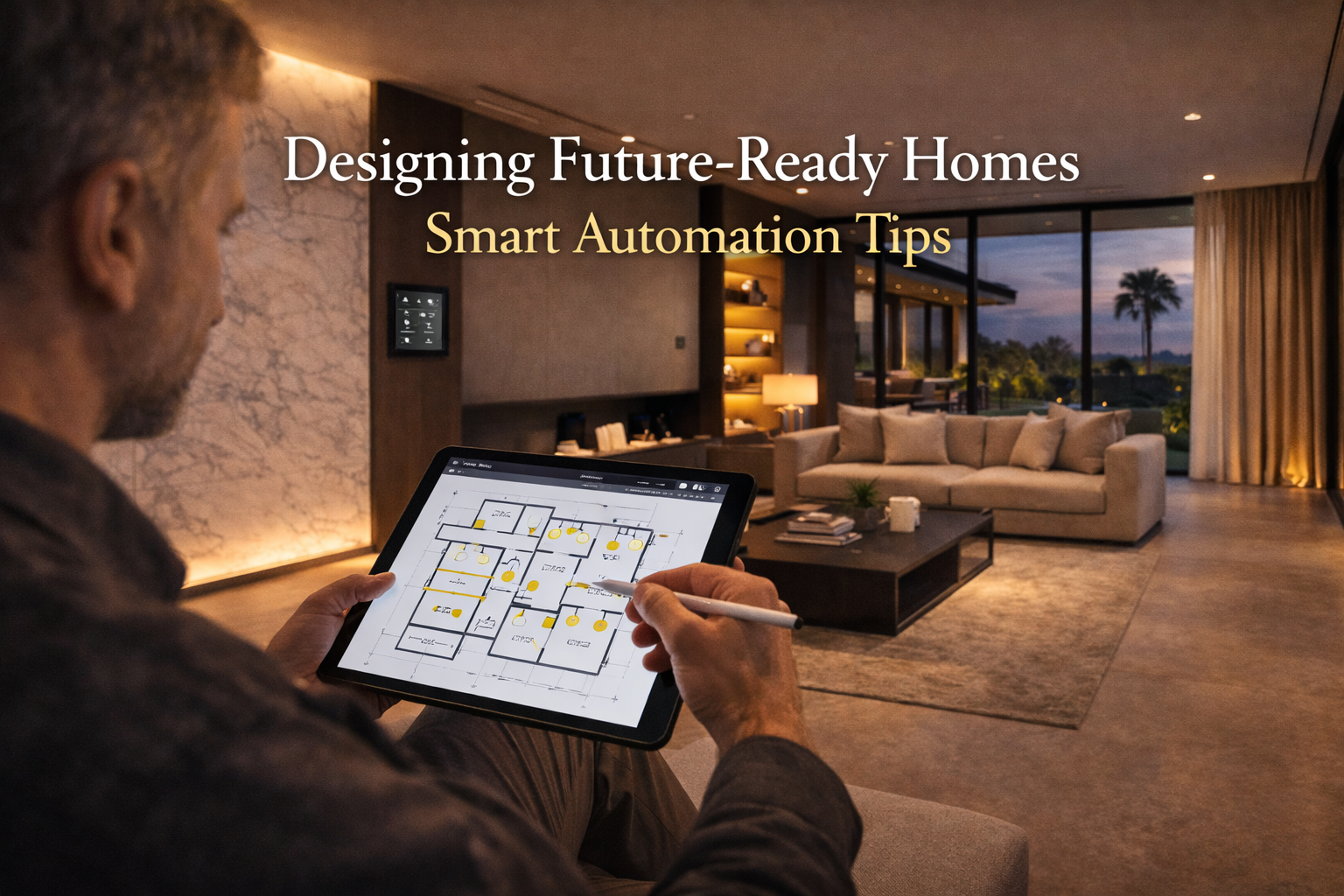
Modern future-ready homes aren’t just about great looks anymore. People want spaces that feel comfortable, work efficiently, and keep them safe, all thanks to smart technology. These days, buyers expect more than just pretty finishes. They want houses that make life easier with automation built right in. For architects, it’s crucial to think about these smart systems from the very start. That way, the home won’t just look good; it’ll stay up to date as tech keeps changing. Smart lighting, climate control, security, entertainment, when you plan for these early, you boost the home’s value and keep the design future-proof. In this guide, you’ll find straightforward tips to help architects blend top-notch design with the latest in smart home tech.
The Rise of Future-Ready Homes
Residential architecture is shifting toward intelligent living environments. Homeowners now expect homes that offer convenience, energy efficiency, and advanced security systems.
Future-ready homes integrate smart automation systems that allow residents to control multiple functions through a single platform. These systems can manage lighting, temperature, security, entertainment, and even outdoor spaces.
For architects, designing future-ready homes with automation infrastructure ensures that properties remain adaptable to evolving technology and lifestyle needs.
Why Architects Should Plan Automation Early
One of the most important aspects of smart home integration is early planning. When automation is considered during the design stage, it becomes easier to integrate wiring infrastructure, control systems, and device placements.
Planning automation early allows architects to:
- Create clean wall layouts without excessive switches
- Integrate control panels seamlessly into interior designs
- Ensure proper wiring infrastructure for automation systems
- Design homes that can support future technology upgrades
By collaborating with automation specialists early in the project, architects can avoid costly design changes later in the construction process.
Tip 1: Design Structured Wiring Infrastructure
A reliable wiring infrastructure is essential for smart home automation. While wireless technologies are widely available, wired automation systems provide greater stability and long-term performance for large homes.
Structured cabling supports seamless communication between devices such as lighting controllers, sensors, climate systems, and security equipment.
Planning this infrastructure during construction allows homeowners to expand automation features in the future without major renovations.
Tip 2: Plan Smart Lighting Layouts
Lighting is one of the most impactful elements of interior design and automation.
Architects should plan lighting layouts that support intelligent control systems. Smart lighting allows homeowners to create customized lighting scenes for different activities such as relaxing, entertaining, or working.
Automation also allows lighting to respond to occupancy sensors and natural daylight conditions, improving both convenience and energy efficiency.
Tip 3: Integrate Climate Control Systems
Climate automation is another essential component of future-ready homes.
Automated climate systems can adjust temperature settings based on occupancy, time schedules, and environmental conditions. This ensures that indoor spaces remain comfortable while optimizing energy consumption.
Architects can design homes with fewer visible thermostats and more streamlined control interfaces by integrating climate automation systems.
Tip 4: Design for Integrated Security Systems
Security technology is becoming a standard feature in modern residential design.
Smart homes can include integrated systems such as:
- Video door phones
- Smart door locks
- CCTV monitoring systems
- Motion sensors and alarm systems
When security systems are planned during the design phase, device placement can be optimized for both functionality and visual integration.
Tip 5: Plan for Smart Entertainment and Home Theatre
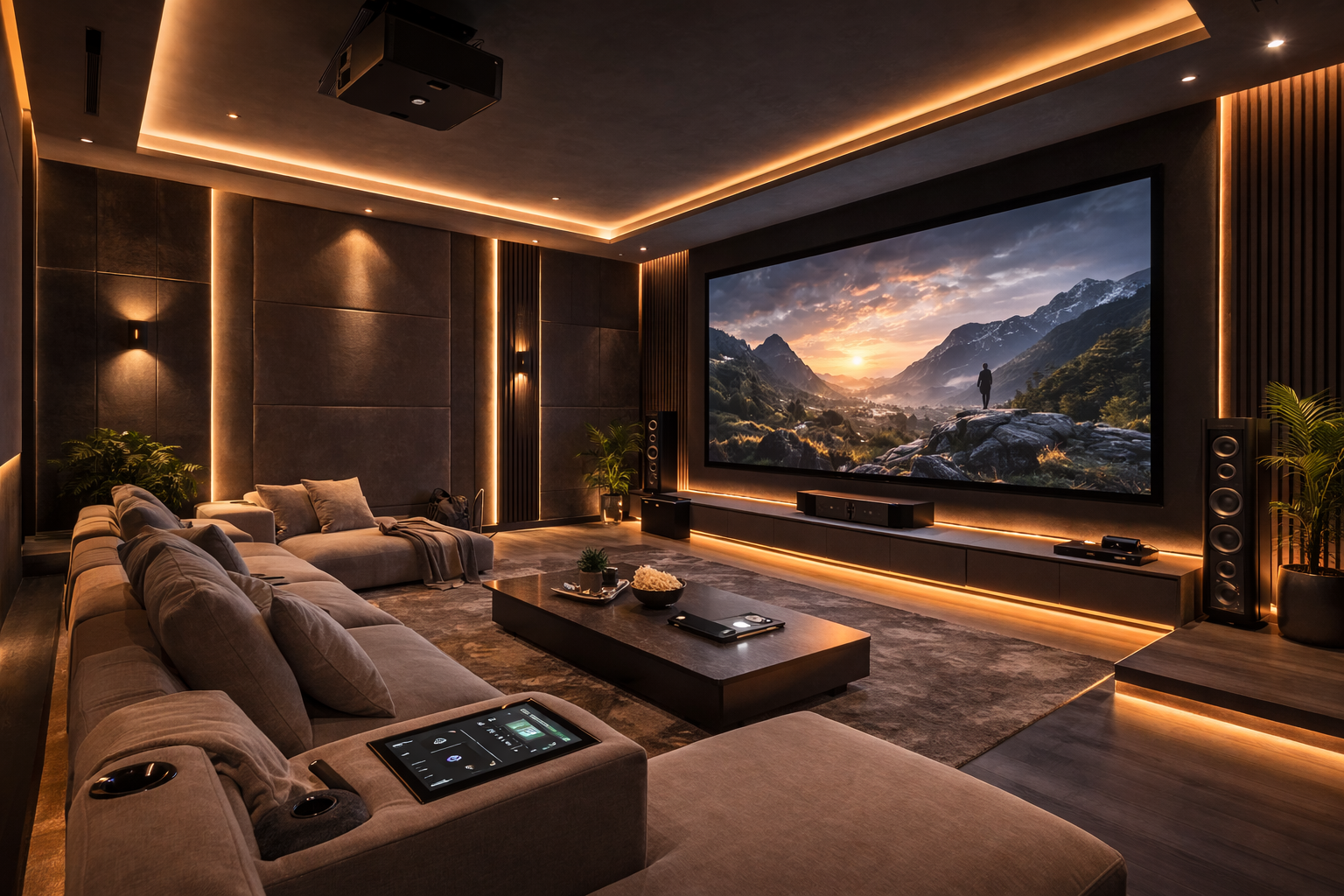
Luxury homes increasingly include entertainment areas such as media rooms and private home theatres.
Automation systems allow homeowners to control audiovisual equipment, lighting, and curtains through a single command. For example, a movie scene can automatically dim the lights, close curtains, and activate the entertainment system.
Architects can design dedicated spaces that support advanced entertainment technologies while maintaining aesthetic harmony.
Tip 6: Incorporate Centralized Control Systems
Future-ready homes should provide simple and intuitive control interfaces for homeowners.
Centralized control systems allow residents to manage lighting, climate, security, and entertainment through:
- Wall-mounted touch panels
- Mobile applications
- Voice control systems
For architects, centralized control reduces the number of switches and controls required on walls, creating cleaner interior designs.
Tip 7: Collaborate with Automation Experts
Automation technology involves multiple systems that must work together seamlessly. Collaboration between architects and automation specialists is essential to ensure proper integration.
Automation experts can help architects:
- Design automation infrastructure
- Select appropriate control systems
- Plan device placements
- Ensure compatibility between different technologies
Working together from the beginning of a project ensures a smoother installation process and better performance.
Enhancing Property Value with Smart Automation
Future-ready homes equipped with smart automation systems offer several benefits for homeowners and developers.
These benefits include:
- Greater convenience and comfort
- Improved energy efficiency
- Enhanced security features
- Higher property value
Homes designed with automation infrastructure are more attractive to modern buyers who prioritize smart living environments.
Final Thoughts
As technology continues to evolve, smart automation is becoming an essential part of residential architecture. Architects who integrate automation infrastructure during the design phase can create homes that are not only visually impressive but also highly functional and future-ready.
By planning structured wiring, smart lighting systems, integrated security, and centralized control platforms, architects can design homes that adapt to modern lifestyles and technological advancements.
Future-ready homes represent the next generation of residential design where architecture and intelligent technology work together seamlessly.
Upgrade Future-Ready Homes with Smart Automation
Modern residential projects require intelligent automation systems that enhance comfort, energy efficiency, and security. Integrating smart home automation during the design stage ensures reliable performance and seamless control of lighting, climate systems, security, and entertainment.
Techtastic Technologies designs and installs advanced smart home automation systems powered by KNX technology for luxury residential projects and modern, future-ready homes.
Call us at 9769145145 today to explore smart home automation solutions for future-ready residential developments.
Collaboration Opportunities for Builders and Architects
Developers, architects, and interior designers can significantly enhance residential projects by integrating smart automation systems during the design and planning stages.
Techtastic collaborates with industry professionals to ensure automation technology integrates seamlessly with architectural layouts, electrical infrastructure, and interior design concepts.
Partner with Techtastic to implement smart home automation solutions for your upcoming residential projects.
Learn more about why the KNX standard is the most reliable choice for your future-ready homes by reading our guide on Wired Systems here.