
Summary
Choosing the right smart switch involves more than comparing prices or features. Homeowners should consider compatibility with their home’s wiring, support for voice assistants, automation capabilities, reliability during internet outages, ease of installation, and future expansion. While Wi-Fi smart switches are ideal for simple upgrades, professional platforms such as KNX provide greater reliability, centralized control, and long-term scalability for whole-home automation. Buying a smart switch that fits your long-term plans helps avoid compatibility issues and unnecessary future upgrades.
Quick Answer
When buying a smart switch, focus on compatibility, reliability, and future scalability rather than just price. A good smart switch should work with your home’s wiring, integrate with your preferred smart home ecosystem, support automation and voice control, and continue operating reliably for years. If you’re planning whole-home automation, choosing a scalable platform from the beginning can save money and simplify future upgrades.
What Should I Look for When Buying a Smart Home Switch?
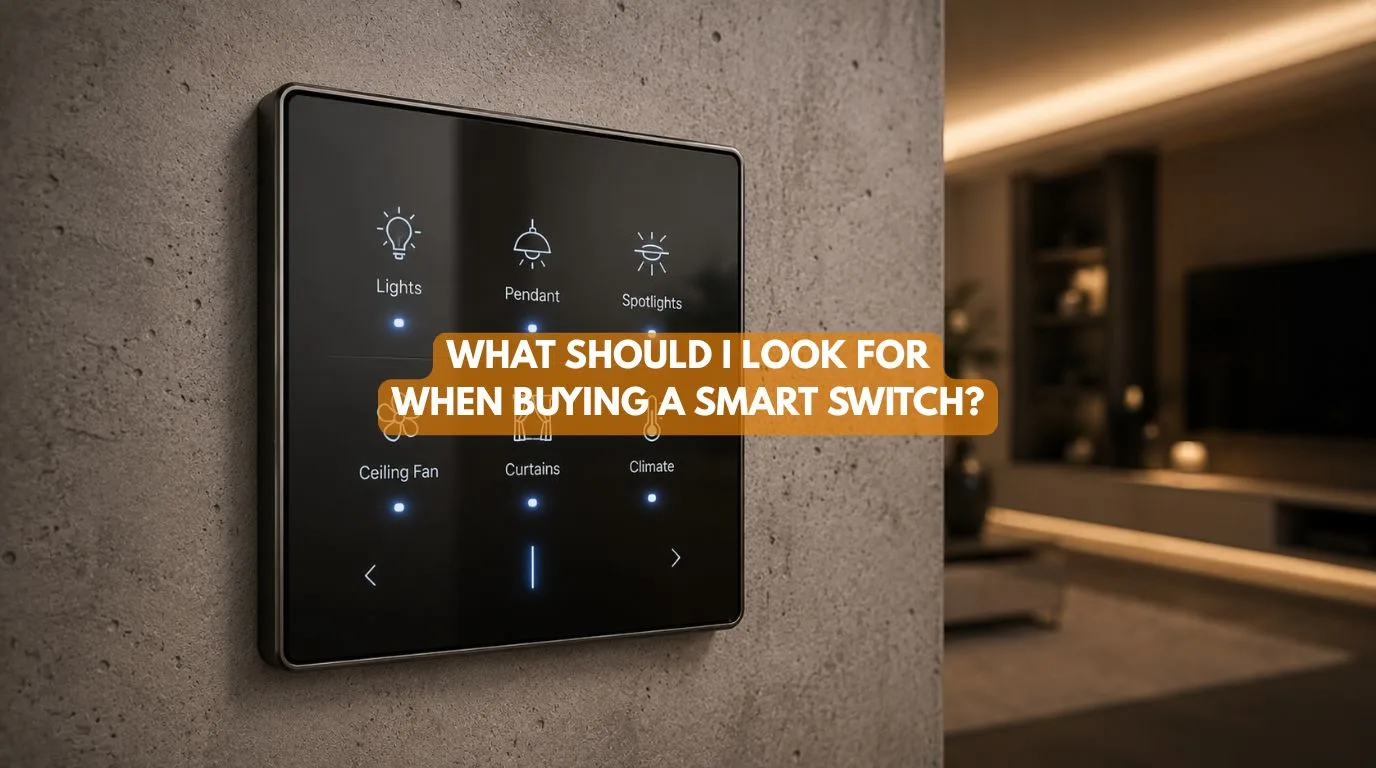
A smart switch may look like an ordinary wall switch, but choosing the right one can have a big impact on your entire smart home experience. With so many options available, it’s easy to focus on features like:
- Touch controls
- Mobile apps
- Voice assistants
- Stylish designs
However, the most important factors are often the ones you can’t see.
At Techtastic, we help homeowners choose smart home switches that aren’t just impressive on day one—they continue working reliably for years. Before you make your purchase, here are the most important things to consider.
1. Compatibility with Your Home
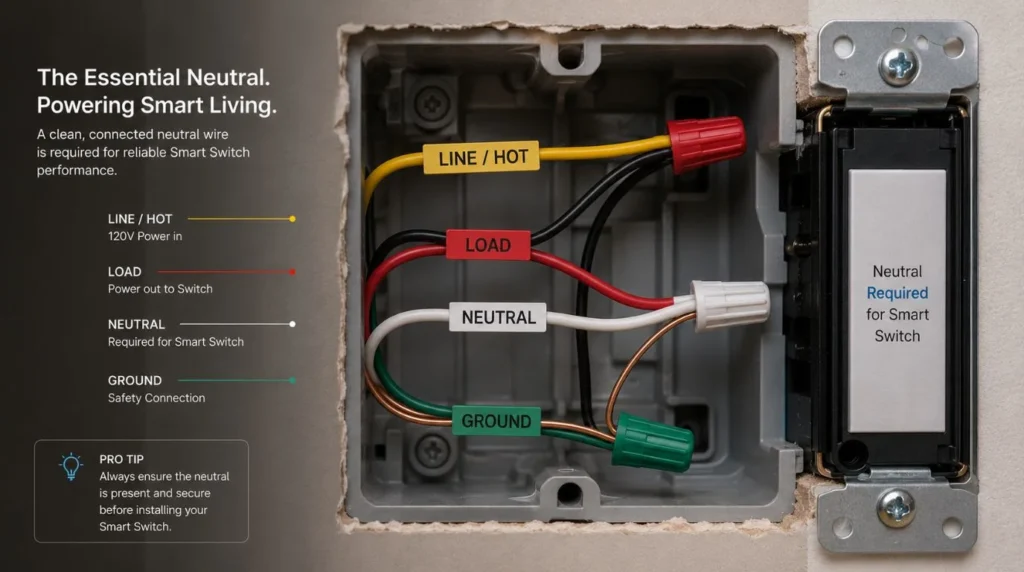
Not every smart switch works with every home.
Before buying, check:
- Existing electrical wiring
- Neutral wire availability
- Switch box size
- Number of lighting circuits
Choosing a switch that’s compatible with your home’s infrastructure avoids installation problems later.
2. Choose the Right Communication Technology
Different smart home switches use different communication methods.
Wi-Fi Smart Switches
Ideal for:
- Apartments
- Small homes
- DIY upgrades
Advantages:
- Easy installation
- No additional hub required
Zigbee & Z-Wave Smart Switches
Suitable for:
- Larger smart home ecosystems
- Better wireless efficiency
- Reduced Wi-Fi congestion
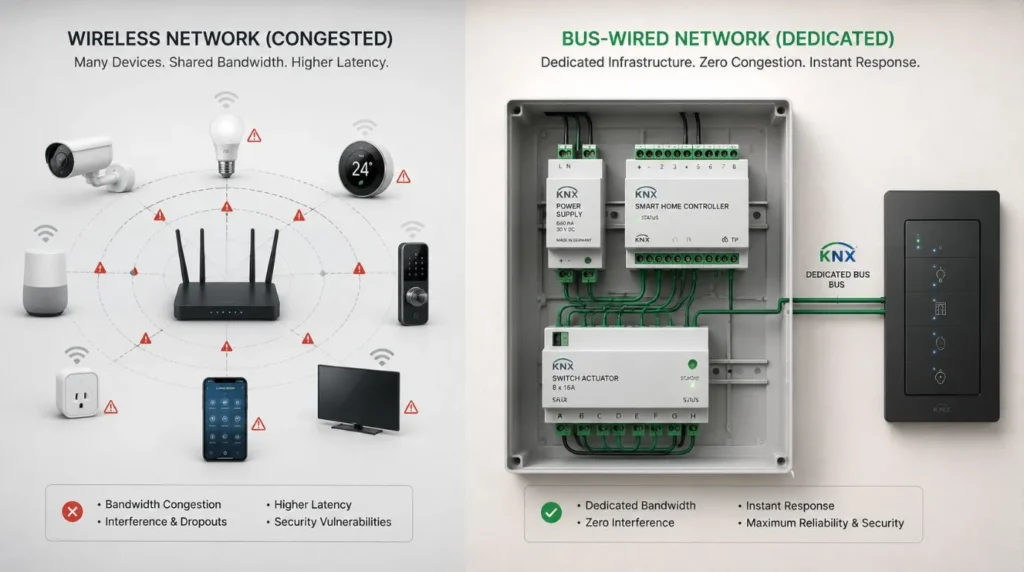
KNX Smart Home Switches
Best for:
- New construction
- Luxury homes
- Whole-home automation
Benefits include:
- Dedicated automation network
- Exceptional reliability
- Long-term scalability
3. Reliability Matters More Than Features
The best smart switch is one that works every day.
Look for:
- Fast response times
- Stable connections
- Automatic recovery after power outages
- Reliable firmware updates
Avoid choosing a product based solely on appearance.
4. Voice Assistant Compatibility
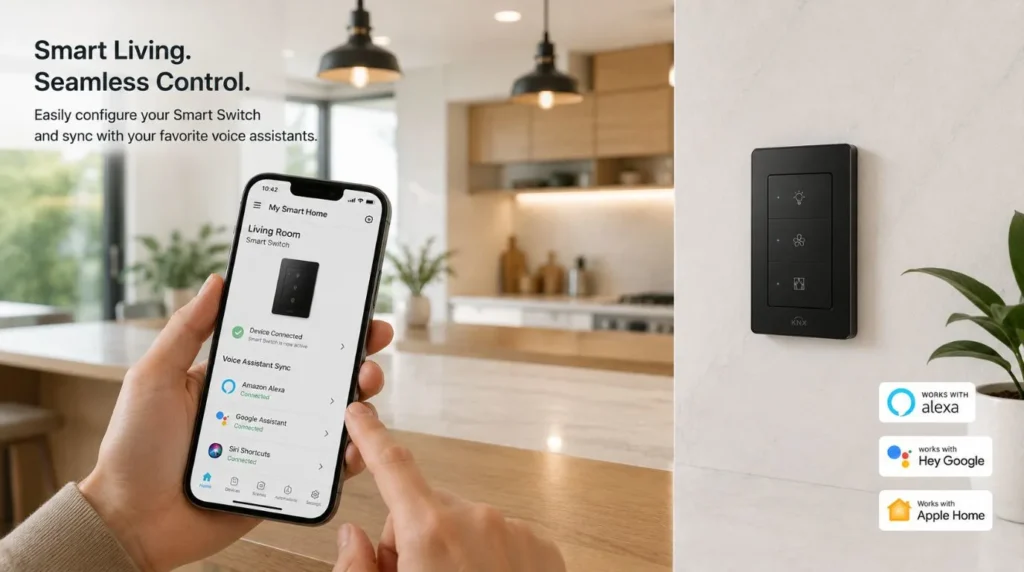
If you use:
Make sure the switch supports your preferred ecosystem.
This allows simple voice commands for everyday convenience.
5. Automation Capabilities
A smart switch should do more than turn lights on and off.
Look for features such as:
- Scheduled lighting
- Motion sensor integration
- Occupancy automation
- Sunrise and sunset schedules
- Smart scenes
Automation is what makes a smart home truly intelligent.
6. Manual Operation
Every smart switch should continue functioning as a normal wall switch.
This ensures:
- Guests can use it easily.
- Children don’t get confused.
- Lights remain usable even if the internet is unavailable.
Good smart home technology should feel familiar.
7. Mobile App Experience
A complicated app can ruin an otherwise excellent product.
Choose a system with:
- Easy setup
- Clear controls
- Reliable notifications
- Regular software updates
The app should simplify your experience—not create frustration.
8. Future Expansion
Many homeowners begin with one room.
Later, they add:
- Climate control
- Motorized curtains
- Smart locks
- Security cameras
- Home theatre
- Energy monitoring
Choose a smart switch that fits into a larger automation ecosystem.
9. Installation Requirements
Some smart home switches are simple DIY upgrades.
Others require:
- Electrical modifications
- Professional programming
- Dedicated wiring
Understanding installation requirements helps avoid unexpected costs.
10. Long-Term Support
Technology evolves quickly.
Choose manufacturers that provide:
- Regular firmware updates
- Good customer support
- Long product availability
- Strong compatibility with future devices
A smart switch is part of your home’s infrastructure—it should remain useful for many years.
Wi-Fi Smart Switch vs KNX Smart Switch
| Feature | Wi-Fi Smart Switch | KNX Smart Switch |
|---|---|---|
| Initial cost | Lower | Higher |
| Installation | Easy | Professional |
| Whole-home integration | Limited | Excellent |
| Scalability | Moderate | Outstanding |
| Local operation | Limited | Yes |
| Long-term reliability | Good | Excellent |
The right choice depends on your home’s size and long-term automation goals.
Common Buying Mistakes
Buying Only Based on Price
Cheaper isn’t always better.
Ignoring Future Expansion
Think about where your smart home will be in five years.
Mixing Multiple Ecosystems
Using different brands often results in multiple apps and inconsistent automation.
Forgetting About Networking
Reliable Wi-Fi or structured networking is essential.
Choosing Style Over Performance
A beautiful switch is only valuable if it works consistently.
Should You Hire a Professional?
Professional installation is recommended when:
- Building a new home
- Upgrading multiple rooms
- Installing smart home switches throughout the house
- Integrating lighting with security, curtains, or climate control
- Planning KNX home automation
Proper planning improves both reliability and long-term value.
Why It Matters
Lighting is one of the most frequently used systems in your home.
Choosing the right smart switch improves:
- Convenience
- Comfort
- Security
- Energy efficiency
- Property value
A good smart switch becomes the foundation of a better smart home.
Our Perspective at Techtastic
At Techtastic, we encourage homeowners to think beyond individual products. A smart switch isn’t just a lighting accessory—it’s part of a larger automation ecosystem that should remain reliable for years to come.
For smaller projects, quality Wi-Fi smart home switches provide an excellent starting point. For new homes and premium residences, we often recommend KNX because it delivers superior reliability, local operation, and seamless integration with lighting, climate control, motorized curtains, security, and energy management.
The best smart switch is the one that continues meeting your needs as your home evolves.
Collaboration Opportunities for Developers, Architects & Interior Designers
The right smart switch begins with thoughtful planning. At Techtastic, we collaborate with:
- Architects
- Interior designers
- Residential developers
- Luxury home builders
- Hospitality consultants
- Commercial project planners
Smart Lighting Design
Create intuitive lighting experiences.
KNX Infrastructure
Design scalable automation systems.
Electrical Planning
Prepare homes for future upgrades.
Premium Residential Projects
Deliver elegant smart living.
Structured Networking
Support reliable connected homes.
Future-Ready Developments
Build homes designed for long-term automation.
Planning lighting infrastructure early results in cleaner installations, greater flexibility, and lower future upgrade costs.
Key Takeaways
- Choose a smart switch that’s compatible with your home’s wiring and automation goals.
- Reliability is more important than flashy features.
- Voice assistant compatibility improves everyday convenience.
- Automation features like scheduling and smart scenes add real value.
- Plan for future expansion instead of buying isolated devices.
- Professional installation is recommended for integrated smart home projects.
- A well-chosen smart switch provides years of reliable performance and serves as the foundation for a connected home.
Frequently Asked Questions
1. What should I look for when buying a smart switch?
A: Focus on compatibility, reliability, automation features, voice assistant support, installation requirements, and future scalability rather than just price.
2. Are Wi-Fi smart switches good?
A: Yes. They’re an excellent choice for apartments, smaller homes, and homeowners beginning their smart home journey.
3. Is KNX better than Wi-Fi smart home switches?
A: For whole-home automation, KNX offers greater reliability, local operation, and long-term scalability, making it ideal for larger homes and new construction.
4. Can smart switches work without the internet?
A: Many smart switches continue to function as normal wall switches during internet outages. Professional systems like KNX also continue operating locally.
5. Should I buy smart home switches or bulbs?
A: Smart switches are generally better for controlling entire rooms and supporting long-term home automation, while smart bulbs are ideal for decorative lighting and rental properties.
6. Do smart switches require professional installation?
A: Some Wi-Fi models are DIY-friendly, but professional installation is recommended for wired systems, multiple-room projects, and integrated automation.
7. Can I expand my smart home later?
A: Yes. Choosing a scalable smart switch platform makes it much easier to add lighting, security, climate control, and other automation features over time.
8. Are smart switches worth the investment?
A: Yes. They improve convenience, comfort, energy efficiency, and provide a strong foundation for a reliable, future-ready smart home.
Conclusion
Choosing the right smart switch is about more than selecting a stylish design or the lowest price. By focusing on compatibility, reliability, automation capabilities, and future scalability, you can invest in a solution that enhances your everyday living while supporting your long-term smart home goals. A quality smart switch should feel effortless to use, integrate seamlessly with your preferred ecosystem, and continue delivering dependable performance for years.
At Techtastic, we help homeowners, architects, and developers make informed decisions about smart lighting and home automation.
📞 Call/WhatsApp: 9769145145
📍 Our Operational Hubs: Navi Mumbai | Nashik | Lonavla | Sangli
Whether you’re installing your first Wi-Fi smart switch or planning a fully integrated KNX system, we design solutions that are reliable, scalable, and built around the way you live—ensuring your smart home remains simple, intuitive, and future-ready.
Ready to take the next step? Explore our comprehensive breakdown on Do Smart Light Switches Work After a Power Outage (2026)? to see how these requirements translate into real-world value for your property.