
Summary
Smart thermostat installation can be a simple DIY project for compatible HVAC systems, but not every home is the same. While many smart thermostats are designed for straightforward installation, older wiring, multi-zone HVAC systems, heat pumps, or integrated home automation often require professional expertise. A qualified installer ensures proper wiring, accurate configuration, reliable operation, and seamless integration with your broader smart home system, helping maximize comfort and energy savings.
Quick Answer
If your home has a modern HVAC system with compatible wiring and you’re replacing a standard thermostat with a similar model, you may be able to handle smart thermostat installation yourself. However, if your home has older wiring, multiple heating and cooling zones, or you’re integrating climate control into a complete smart home, professional installation is highly recommended for safety, reliability, and long-term performance.
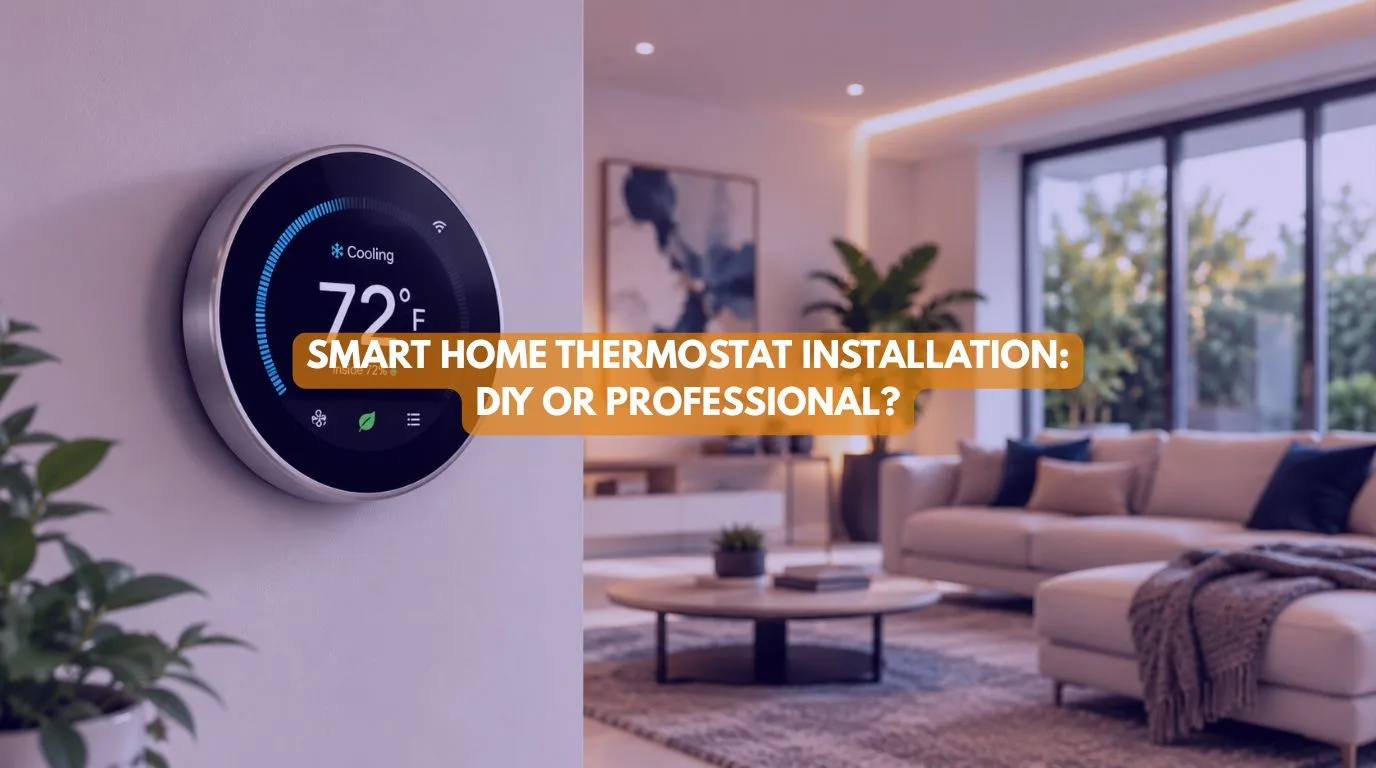
Smart Home Thermostat Installation: DIY or Professional?
A smart thermostat is one of the most practical upgrades you can make to your home. It automatically adjusts temperatures based on your schedule, helps reduce energy consumption, and keeps your home comfortable throughout the day.
Many manufacturers advertise easy installation, leading homeowners to wonder: “Should I install it myself or call a professional?”
The answer depends on your home’s heating and cooling system, the complexity of the installation, and whether the thermostat will be part of a larger home automation setup.
At Techtastic, we’ve found that simple replacements are often suitable for DIY, while integrated climate control systems benefit greatly from professional planning and installation.
When DIY Installation Makes Sense
DIY installation is generally suitable when:
You’re Replacing an Existing Thermostat
The new thermostat uses similar wiring and supports your HVAC system.
Your HVAC System Is Compatible
Many modern systems include the required wiring, including a common (C) wire.
You’re Comfortable Following Instructions
You understand basic electrical safety and can carefully follow the manufacturer’s installation guide.
You’re Installing a Single Thermostat
Simple single-zone systems are usually easier to configure than multi-zone homes.
When You Should Call a Professional
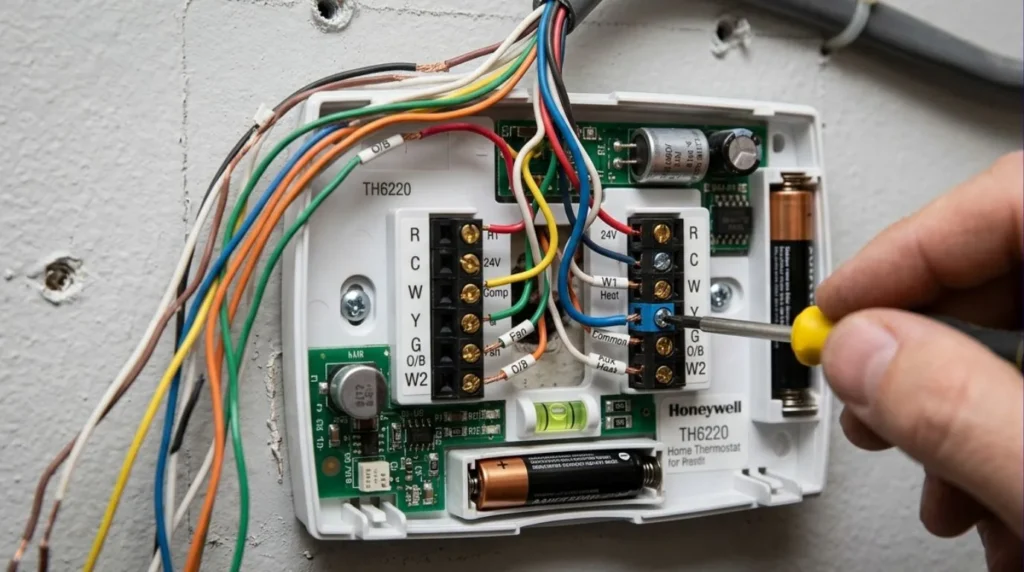
Professional installation is recommended if your project involves:
Older Homes
Older wiring may not support modern smart thermostats without modification.
Multi-Zone Heating and Cooling
Multiple thermostats require proper configuration for coordinated climate control.
Heat Pumps or Complex HVAC Systems
Advanced heating and cooling systems often require specialized setup.
Integrated Smart Home Automation
If your thermostat will interact with lighting, occupancy sensors, blinds, or security systems, professional programming ensures seamless automation.
New Construction or Major Renovation
Installing climate control during construction allows better planning and future expansion.
Benefits of Professional Smart Thermostat Installation
Correct Wiring
Professionals verify compatibility and ensure the thermostat is wired safely and correctly.
Optimized HVAC Performance
Proper configuration helps your heating and cooling system operate efficiently.
Better Energy Savings
Correct scheduling and automation maximize the thermostat’s energy-saving features.
Smart Home Integration
Professionals can integrate your thermostat with:
- Smart lighting
- Motorized curtains
- Occupancy sensors
- Voice assistants
- Security systems
Long-Term Reliability
Professional installation reduces the likelihood of configuration errors or unnecessary service calls.
DIY vs Professional Smart Thermostat Installation
| DIY Installation | Professional Installation |
|---|---|
| Single thermostat replacement | Multi-zone climate control |
| Basic HVAC systems | Complex HVAC systems |
| Simple app setup | Complete system configuration |
| Limited automation | Integrated home automation |
| Self-managed troubleshooting | Ongoing professional support |
| Best for basic upgrades | Best for whole-home automation |
Why KNX Climate Control Stands Out
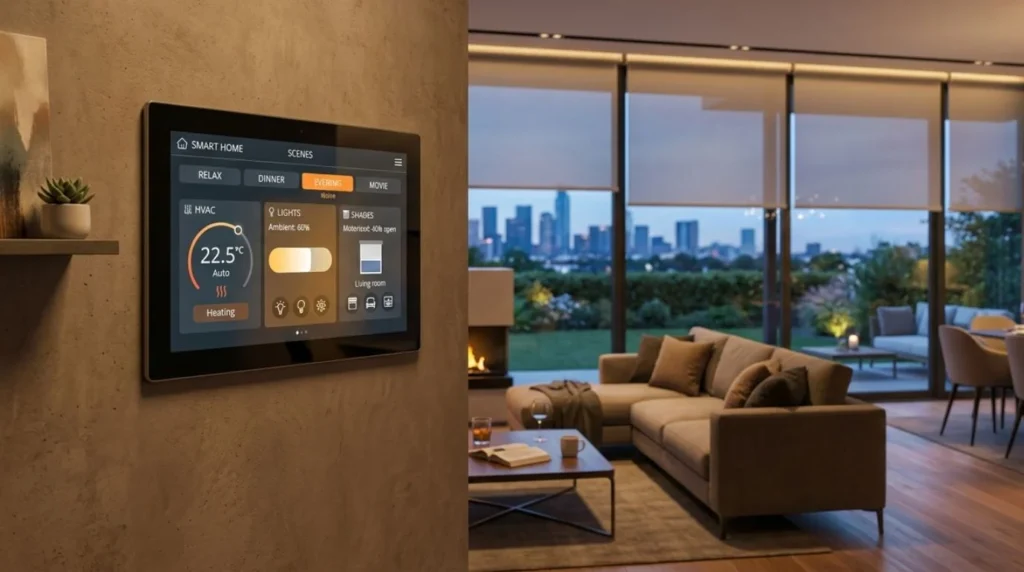
For premium homes, KNX climate control offers a more advanced approach than standalone smart thermostats.
A KNX-based system can intelligently coordinate:
- Heating
- Cooling
- Ventilation
- Motorized curtains
- Smart lighting
- Occupancy sensors
This creates a home that automatically adjusts indoor comfort while improving energy efficiency.
Because KNX systems require professional programming and commissioning, installation should always be handled by experienced specialists.
Common Smart Thermostat Installation Mistakes
Assuming All HVAC Systems Are Compatible
Always verify compatibility before purchasing a thermostat.
Ignoring Wiring Requirements
Many smart thermostats require a C wire or additional wiring adapters.
Incorrect Temperature Sensor Placement
Installing a thermostat near windows, kitchens, or direct sunlight can lead to inaccurate temperature readings.
Skipping System Calibration
Proper setup ensures accurate heating and cooling cycles.
Forgetting Future Automation
Plan for integration with other smart home devices instead of treating the thermostat as a standalone product.
Why It Matters
Climate control affects your comfort every day.
A properly installed smart thermostat can help:
- Improve comfort
- Lower energy bills
- Extend HVAC equipment life
- Reduce unnecessary heating and cooling
- Support sustainable living
The right installation ensures you receive the full benefits of your investment.
Our Perspective at Techtastic
At Techtastic, we believe climate control should work quietly in the background, automatically creating the perfect indoor environment without constant adjustments. Rather than simply installing a thermostat, we design integrated climate control solutions that respond intelligently to your schedule, occupancy, and lifestyle.
Whether you’re upgrading to a single smart thermostat or building a fully automated KNX climate control system, our focus is on delivering reliable performance, energy efficiency, and seamless integration with the rest of your smart home.
Collaboration Opportunities for Developers, Architects & Interior Designers
Comfort begins with thoughtful planning.
At Techtastic, we work closely with:
- Architects
- Interior designers
- Residential developers
- Luxury home builders
- HVAC consultants
- MEP consultants
Climate Control Planning
Integrate HVAC automation during the design phase.
KNX Climate Infrastructure
Build scalable and energy-efficient climate control systems.
Smart Lighting & HVAC Integration
Coordinate lighting and temperature for maximum comfort.
Structured Networking
Support dependable communication between automation systems.
Premium Residential Projects
Deliver intelligent, whole-home comfort solutions.
Future-Ready Developments
Prepare homes for evolving smart building technologies.
Early collaboration creates more efficient installations, better comfort, and lower long-term operating costs.
Key Takeaways
- DIY installation is suitable for simple thermostat replacements on compatible HVAC systems.
- Professional installation is recommended for older homes, multi-zone systems, heat pumps, and integrated smart homes.
- Correct wiring and configuration improve performance and energy efficiency.
- Smart thermostats work best when integrated with lighting, occupancy sensors, and other automation systems.
- KNX climate control offers advanced automation for premium residential projects.
- Proper installation helps maximize comfort while reducing energy consumption.
- Planning for future expansion protects your long-term investment.
Frequently Asked Questions
1. Can I install a smart thermostat myself?
A. Yes, if your HVAC system is compatible and you’re replacing a standard thermostat with a similar model. Always follow the manufacturer’s instructions and verify wiring compatibility.
2. Do I need an electrician for smart thermostat installation?
A. Not always. However, professional installation is recommended if electrical modifications or complex HVAC configurations are involved.
3. Does every smart thermostat require a C wire?
A. No, but many models perform best with a C wire. Some manufacturers provide adapters for systems without one.
4. Can a smart thermostat reduce energy bills?
A. Yes. By optimizing heating and cooling schedules, smart thermostats can help reduce unnecessary energy usage and improve overall efficiency.
5. Can a smart thermostat integrate with my smart home?
A. Absolutely. Many smart thermostats work with voice assistants, smart lighting, occupancy sensors, security systems, and other home automation devices.
6. Is professional installation worth it?
A. For complex HVAC systems or integrated automation projects, professional installation improves reliability, performance, and long-term value.
7. What’s the difference between a smart thermostat and KNX climate control?
A. A smart thermostat controls heating and cooling, while KNX climate control integrates HVAC with lighting, blinds, occupancy, and other building systems to create a more intelligent and efficient environment.
8. Can I upgrade my climate control system later?
A. Yes. A professionally designed smart home allows climate control to be expanded as additional automation features are added.
Conclusion
Choosing between DIY and professional smart thermostat installation depends on your home’s HVAC system and your long-term automation goals. While simple installations may be suitable for confident homeowners, professional installation provides safer wiring, better system performance, and seamless integration with your smart home, especially for more advanced or multi-zone setups.
At Techtastic, we design climate control solutions that go beyond temperature adjustment. From smart thermostats to fully integrated KNX climate control systems, we create reliable, energy-efficient automation that keeps your home comfortable today while preparing it for the future.
📞 Call/WhatsApp: 9769145145
📍 Our Operational Hubs: Navi Mumbai | Nashik | Lonavla | Sangli
Wondering how to manage all these requirements? Read our expert guide on Smart Home Management Tips After Professional Installation.