
Summary
Yes, installing smart home technology is possible in older houses. Most existing homes can be upgraded using a combination of wireless smart devices, smart switches, smart lighting, security systems, and professionally designed automation solutions. While some advanced systems may require additional wiring, homeowners don’t necessarily need to rebuild or completely rewire their property. The best approach depends on the home’s electrical infrastructure, renovation plans, and long-term automation goals.
Quick Answer
Absolutely. Modern smart home technology can be added to almost any older house. Whether you want smart lighting, voice control, security cameras, smart door locks, motorized curtains, or energy monitoring, there are solutions designed specifically for retrofit projects. While some upgrades may require minor electrical work, most homeowners can modernize their homes without extensive renovations. Professional planning helps ensure compatibility, reliability, and room for future expansion.
Many homeowners believe smart homes are only possible in newly built houses. Fortunately, that’s no longer true.
Modern smart home technology has made it easier than ever to upgrade an existing property without tearing down walls or rebuilding electrical systems.
Whether your home is:
- 10 years old
- 25 years old
- 40 years old
- Or even older
You can still enjoy the benefits of automation.
At Techtastic, we’ve helped homeowners transform older properties into intelligent, connected homes with features like:
- Smart lighting
- Smart switches
- Security systems
- Motorized curtains
- Climate control
- Energy monitoring
The key is choosing the right installation approach.
Can an Older House be Installed with Smart Home Technology?
Yes. Most existing homes can be upgraded successfully.
The installation strategy depends on:
- Existing electrical wiring
- Internet infrastructure
- Home layout
- Renovation plans
- Automation goals
Every home is different, which is why planning comes first.
What Smart Home Features Can Be Added?
Older homes can support almost every smart home technology.
Popular upgrades include:
Smart Lighting
- Scheduled lighting
- Motion sensors
- Scene control
- Remote access
Smart Switches
Replace traditional wall switches with intelligent controls while maintaining everyday operation.
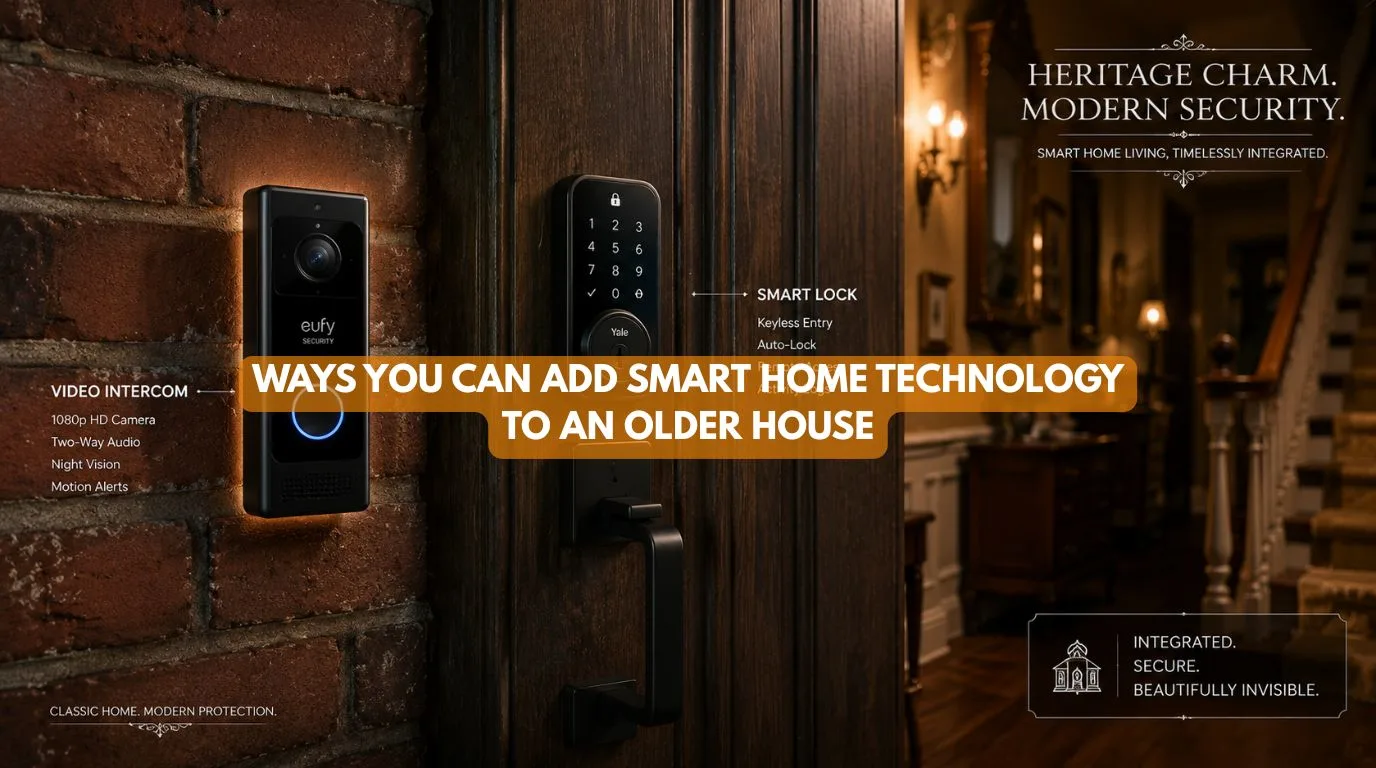
Smart Door Locks
Improve convenience and security with keyless entry and remote access.
Security Systems
Install:
- CCTV cameras
- Smart doorbells
- Motion sensors
- Alarm systems
Without major structural changes.
Motorized Curtains
Automate privacy, sunlight control, and energy efficiency.
Climate Control
Manage:
- Air conditioners
- Fans
- Heating systems
through smart automation.
Energy Monitoring
Track electricity usage and reduce unnecessary power consumption.
Will My House Need Rewiring?
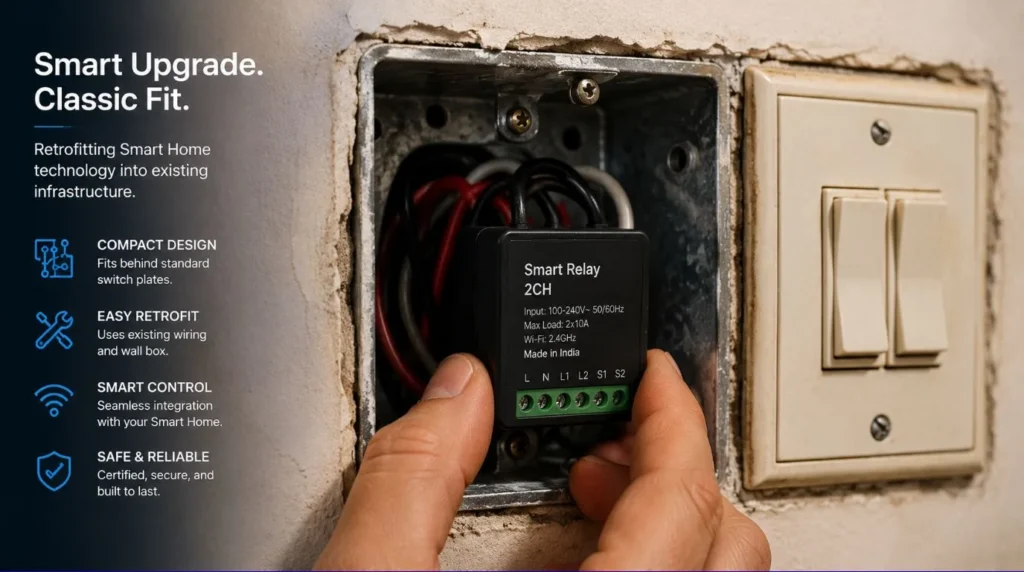
Not necessarily.
Many smart home upgrades use:
- Wi-Fi
- Zigbee
- Z-Wave
- Wireless sensors
These technologies minimize the need for extensive rewiring.
However, if you’re planning:
- Whole-home automation
- Major renovation
- Luxury smart home
It may be worthwhile to upgrade certain electrical components during the project.
Smart Home Retrofit vs Full Renovation
Retrofit Installation
Ideal when:
- You don’t want structural changes.
- You’re upgrading gradually.
- You already live in the home.
Advantages:
- Faster installation
- Lower disruption
- Lower initial investment
Renovation Installation
If you’re already renovating your home, it’s the perfect opportunity to plan:
- Smart wiring
- Structured networking
- Lighting circuits
- Touch panels
- Future expansion
Planning during renovation reduces future installation costs.
Wireless vs Wired Smart Home Systems
| Feature | Wireless Smart Home | Wired Smart Home (KNX) |
|---|---|---|
| Existing homes | Excellent | Possible with planning |
| New homes | Good | Excellent |
| Installation complexity | Lower | Higher |
| Initial investment | Lower | Higher |
| Scalability | Good | Outstanding |
| Long-term reliability | Good | Excellent |
Both approaches can work well depending on your home and budget.
Should You Upgrade Room by Room?
Yes.
Many homeowners start with:
- Phase 1: Living room
- Phase 2: Bedrooms
- Phase 3: Kitchen
- Phase 4: Security
- Phase 5: Motorized Curtains
This phased approach spreads costs while allowing you to enjoy automation immediately.
What About KNX?
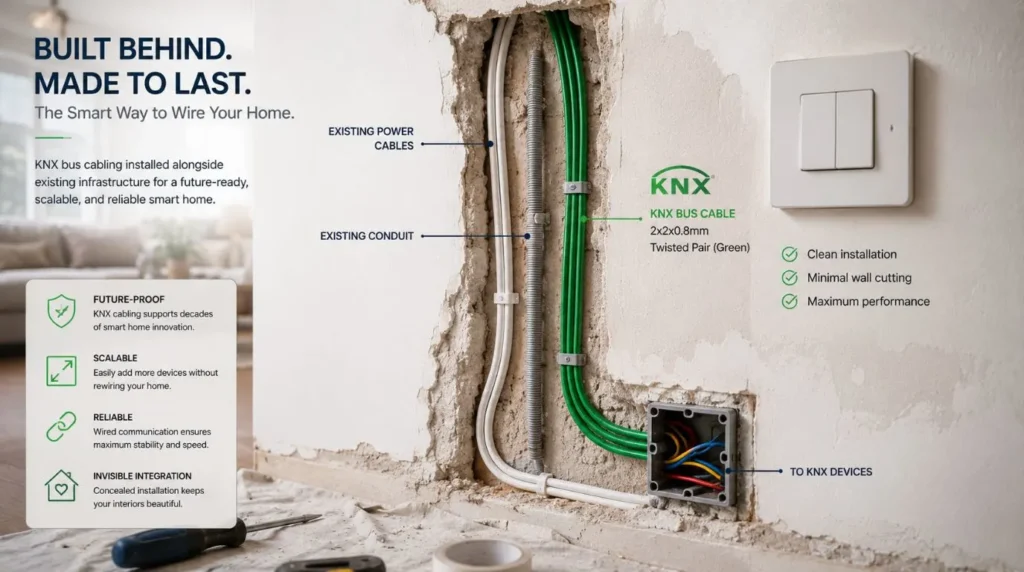
Many people assume KNX home automation is only suitable for new construction.
In reality, KNX can also be installed in older homes, particularly during:
- Major renovations
- Home extensions
- Electrical upgrades
Although installation is more involved than with wireless systems, KNX offers:
- Exceptional reliability
- Local operation
- Whole-home integration
- Long product lifespan
- Easy future expansion
For homeowners planning to stay in their home for many years, KNX is often a worthwhile long-term investment.
Common Challenges in Older Homes
Outdated Electrical Wiring
Some older homes may require minor electrical upgrades before installing smart switches.
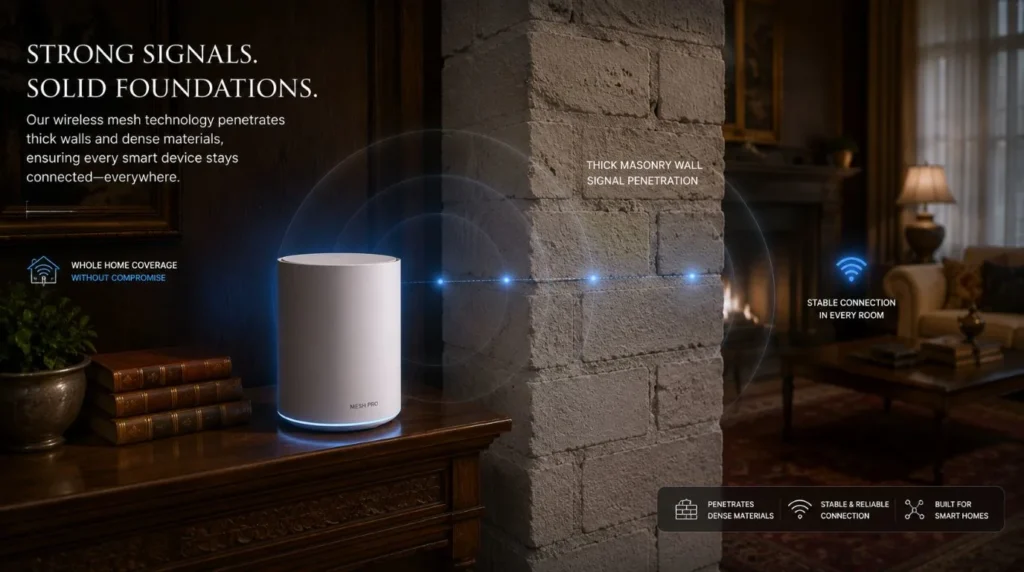
Weak Wi-Fi Coverage
Larger or older homes often benefit from:
- Mesh Wi-Fi
- Additional access points
- Structured networking
Limited Switch Box Space
Modern smart switches sometimes require deeper electrical boxes.
Lack of Planning
Buying random smart devices before creating an automation strategy often leads to compatibility issues later.
Why Professional Planning Matters
Older homes often have unique layouts and infrastructure.
Professional planning helps determine:
- Which devices are compatible
- Whether electrical upgrades are needed
- The best networking strategy
- Opportunities for future expansion
This avoids unnecessary costs when upgrading to smart home technology and ensures a smoother installation.
Why It Matters
Upgrading an older house isn’t just about adding technology.
It’s about making your home:
- More comfortable
- More secure
- More energy-efficient
- Easier to manage
- Ready for the future
Even small automation upgrades can significantly improve everyday living.
Our Perspective at Techtastic
At Techtastic, we believe your home’s age should never prevent you from enjoying smart home technology.
We’ve upgraded many existing homes by combining careful planning with the right mix of wireless technology, smart lighting, security, and integrated automation. Rather than recommending a complete rebuild, we focus on practical solutions that fit your home’s current infrastructure while preparing it for future expansion.
For homeowners undertaking major renovations, we often recommend planning for KNX infrastructure where appropriate. For those seeking minimal disruption, high-quality wireless systems can deliver impressive results without extensive construction.
The best smart home is the one that works with your home and not against it.
Collaboration Opportunities for Developers, Architects & Interior Designers
Retrofitting smart home technology into an older house requires thoughtful planning.
At Techtastic, we collaborate with:
- Architects
- Interior designers
- Residential developers
- Renovation specialists
- Luxury home builders
- Property consultants
Smart Home Retrofit Planning
Upgrade existing homes intelligently.
KNX Infrastructure Design
Prepare homes for long-term automation.
Smart Lighting Renovation
Modernize lighting with minimal disruption.
Structured Networking
Improve connectivity throughout older properties.
Premium Home Upgrades
Blend modern technology with existing architecture.
Future-Ready Renovations
Design renovations that support evolving smart home technologies.
Early planning during renovations helps reduce costs while maximizing long-term flexibility.
Key Takeaways
- Most older homes can successfully support smart home technology.
- Wireless smart devices make retrofitting easier and less disruptive.
- Smart lighting, smart switches, security, and climate control are excellent first upgrades.
- Major renovations provide the perfect opportunity to install KNX infrastructure.
- Professional planning identifies compatibility issues before installation begins.
- Adding smart home technology room by room keeps costs manageable.
- A well-planned retrofit can transform an older house into a reliable, future-ready smart home.
Frequently Asked Questions
1. Can you add smart home technology to an older house?
A: Yes. Most older homes can be upgraded with smart lighting, smart switches, security systems, climate control, and other automation features without major reconstruction.
2. Do I need to rewire my entire home?
A: No. Many smart home devices use wireless technologies such as Wi-Fi, Zigbee, or Z-Wave, reducing the need for extensive rewiring.
3. Can I install smart switches in an older home?
A: Yes. In some cases, minor electrical upgrades may be needed, but smart switches can often be installed in existing homes by a qualified professional.
4. Is KNX suitable for older houses?
A: Yes. KNX can be installed in older homes, particularly during renovations or electrical upgrades, providing long-term reliability and scalability.
5. What’s the easiest smart home technology to add to an existing home?
A: Smart lighting, smart switches, voice assistants, and security cameras are among the easiest and most impactful upgrades.
6. Can I upgrade one room at a time?
A: Absolutely. Many homeowners add smart home technology gradually, room by room, starting with frequently used areas before expanding.
7. Is professional installation recommended?
A: Yes. Professional planning helps ensure compatibility, reliable performance, and smoother future expansion.
8. Will smart home technology increase the value of an older house?
A: Professionally integrated smart home features can make older homes more attractive to buyers, especially in premium property markets.
Conclusion
Adding smart home technology to an older house is not only possible, but it is one of the most effective ways to modernize your home without rebuilding it. Whether you choose wireless smart devices for a simple retrofit or invest in a professionally designed automation system during a renovation, today’s technology makes it easier than ever to improve comfort, security, convenience, and energy efficiency. The key is to plan your upgrades around your home’s existing infrastructure and your long-term goals.
At Techtastic, we specialize in helping homeowners bring older properties into the future with smart, scalable automation solutions.
📞 Call/WhatsApp: 9769145145
📍 Our Operational Hubs: Navi Mumbai | Nashik | Lonavla | Sangli
From retrofitting smart lighting and security to designing integrated KNX systems during renovations, we create reliable smart homes that respect your home’s character while delivering the convenience and performance of modern living.
Want to ensure your system investment is fully protected? Head over to our deep dive on How To Build A Safe Smart Home For Older Adults in 2026? to learn how to future-proof your smart home infrastructure.