
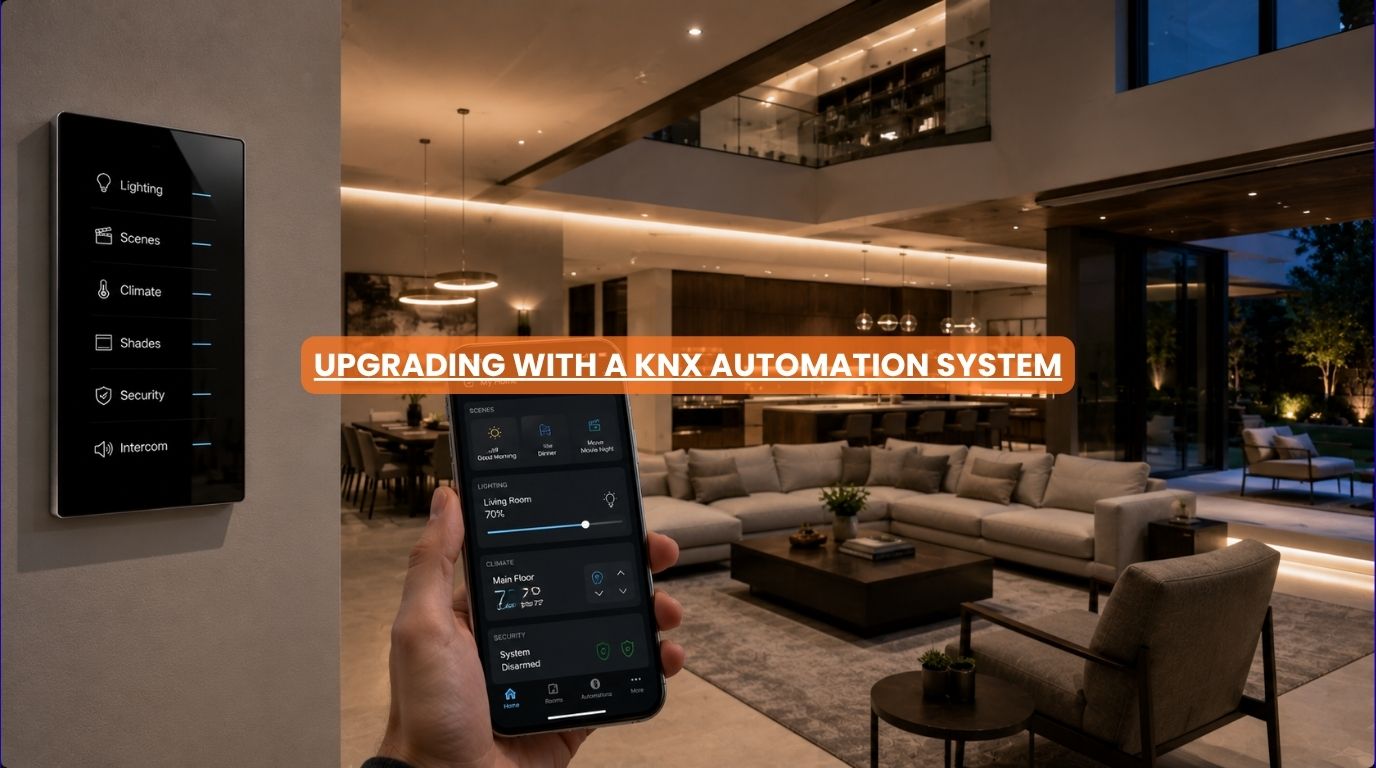
One of the biggest concerns homeowners have when considering a KNX automation system is surprisingly simple: “Will I have to replace everything I already own?”
It’s a reasonable question.
Many homeowners have already invested in smart lighting, security cameras, smart locks, voice assistants, entertainment systems, or climate control devices. The idea of replacing all those technologies to move to a more advanced automation platform can feel expensive and unnecessary. Fortunately, that’s often not how a KNX automation system works.
At Techtastic, one of the most common misconceptions we encounter is that KNX requires a completely new smart home ecosystem. In reality, KNX is often selected precisely because of its ability to integrate multiple technologies into a single, centralized platform.
Rather than replacing everything, KNX frequently acts as the bridge that connects existing systems together. Let’s explore how KNX automation system integration works and what homeowners can realistically expect when upgrading their smart home.
Summary
A KNX automation system can integrate with many existing smart devices, including lighting systems, climate controls, motorized curtains, security systems, voice assistants, entertainment systems, and smart home platforms. Homeowners often assume they must replace all existing devices when upgrading to KNX, but many integrations allow existing technologies to work alongside a KNX-based automation system. The result is a more centralized, scalable, and future-ready smart home ecosystem.
Quick Answer
Yes, a KNX automation system can integrate with many existing smart devices. Depending on the devices and platforms involved, KNX can often connect with smart lighting, climate systems, motorized curtains, security systems, voice assistants, entertainment systems, and mobile control platforms. In many cases, homeowners can upgrade to a KNX-based smart home without replacing all of their existing technology investments.
What Is KNX Home Automation?
KNX is an internationally recognized automation standard used in:
- Smart homes
- Luxury residences
- Hotels
- Commercial buildings
- Office spaces
- Mixed-use developments
Unlike many consumer smart home products, KNX is designed as an open protocol. This means products from different manufacturers can work together within a single automation ecosystem. The result is greater flexibility, reliability, and long-term scalability.
Why Homeowners Upgrade to a KNX Automation System
Many homeowners begin with standalone smart devices.
Over time, they accumulate:
- Smart lights
- Smart plugs
- Smart locks
- Cameras
- Voice assistants
- Mobile apps
Eventually, they discover a common problem: Too many disconnected systems. KNX solves this by creating a centralized automation platform that allows multiple technologies to work together.
Can KNX Work With Existing Smart Devices?
In many cases, yes. The answer depends on:
- Device type
- Communication protocol
- Manufacturer support
- Integration requirements
Many modern smart home products can either connect directly or be integrated through gateways and automation controllers. This often allows homeowners to retain existing investments while upgrading their overall smart home experience.
Smart Devices KNX Can Commonly Integrate With
Smart Lighting Systems
Lighting is one of the most common KNX automation system integrations.
KNX can often unify:
- Lighting scenes
- Dimming control
- Scheduling
- Occupancy-based lighting
This creates more intelligent lighting automation across the home.
Smart Security Systems
Security integration is increasingly important.
KNX can often work alongside:
- CCTV cameras
- Alarm systems
- Motion sensors
- Video door phones
- Smart locks
This enables security events to trigger automated responses.
Example:
When a security sensor detects movement:
- Lights activate.
- Cameras record.
- Notifications are sent.
Motorized Curtains and Blinds
Many curtain systems integrate seamlessly into KNX automation system environments.
This allows:
- Automated privacy control
- Daylight management
- Energy optimization
- Scene integration
Curtains become part of the overall automation experience rather than operating independently.
Climate Control Systems
KNX excels at environmental control.
It can often integrate with:
- Air conditioning systems
- Thermostats
- HVAC equipment
- Temperature sensors
This creates more intelligent and efficient climate management.
Voice Assistants
One of the most common homeowner questions is: “Will KNX work with Alexa or Google Assistant?”
In many cases, yes. KNX systems can often integrate with:
- Amazon Alexa
- Google Assistant
- Apple Siri
This allows homeowners to retain voice control convenience while benefiting from professional-grade automation infrastructure.
Entertainment Systems
KNX can often integrate with:
- Smart TVs
- Home theatres
- Audio systems
- Multi-room entertainment
This enables entertainment experiences to become part of larger automation scenes.
Example:
Movie Mode
- Curtains close
- Lights dim
- Home theatre activates
- Climate adjusts
All from a single command.
KNX Automation System vs Disconnected Smart Devices
| Individual Smart Devices | KNX Home Automation |
|---|---|
| Multiple apps | Centralized control |
| Limited interoperability | Integrated ecosystem |
| Difficult expansion | Highly scalable |
| Brand restrictions | Multi-brand flexibility |
| Device-focused | System-focused |
| Short-term convenience | Long-term infrastructure |
This difference becomes increasingly important as smart homes grow.
Why the KNX Automation System Is Popular for Smart Home Upgrades
Many homeowners assume upgrading means replacing. In reality, KNX often enables:
System Consolidation
Reduce app overload.
Better User Experience
Simplify control.
Future Expansion
Add new technologies over time.
Improved Reliability
Professional-grade automation infrastructure.
Long-Term Flexibility
Adapt as technology evolves.
These benefits make KNX particularly attractive for modernization projects.
Common Integration Scenarios
Scenario 1: Existing Smart Lighting
The homeowner already has smart lighting.
KNX adds:
- Centralized control
- Advanced automation
- Whole-home scenes
Without necessarily replacing every lighting component.
Scenario 2: Existing Security System
KNX connects security events to:
- Lighting
- Access control
- Notifications
- Occupancy simulations
Creating a more intelligent security ecosystem.
Scenario 3: Existing Voice Assistants
Homeowners continue using Alexa or Google Assistant while gaining KNX’s reliability and scalability.
Do All Devices Integrate With a KNX Automation System?
Not always. Compatibility depends on:
- Manufacturer support
- Communication standards
- Available gateways
- System architecture
This is why professional planning is important.
An integration assessment helps determine what can be retained, upgraded, or replaced.
Why Future-Proofing Matters
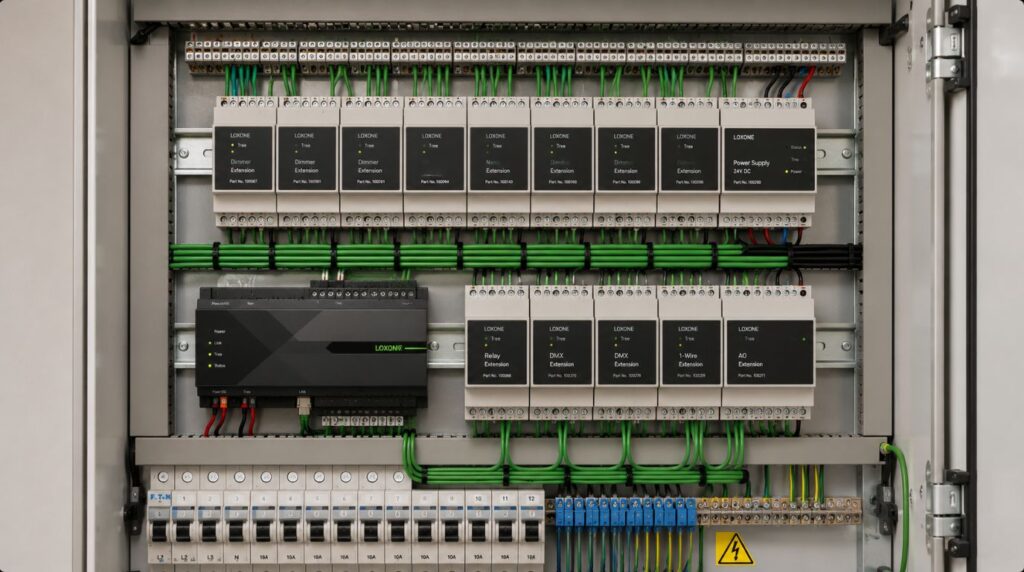
Technology changes rapidly.
One reason KNX remains popular decades after its introduction is that it was designed for long-term evolution.
A future-ready smart home should allow:
- Device upgrades
- New integrations
- Expanded automation
- Technology migration
without requiring a complete system replacement.
KNX is particularly strong in this area.
Why It Matters for Modern Homes
Today’s homeowners want:
- Flexibility
- Reliability
- Simplicity
- Future readiness
They don’t want dozens of disconnected smart devices competing for attention.
KNX helps bring these technologies together into a unified experience that is easier to manage and expand.
Our Perspective at Techtastic
At Techtastic, we rarely begin a KNX project by asking: “What should we replace?”
Instead, we ask: “What already works well?”
In many cases, homeowners already own valuable technology that can continue serving a purpose within a larger KNX ecosystem.
We typically evaluate:
- Existing devices
- Networking infrastructure
- Security systems
- Lighting systems
- Entertainment platforms
- Future goals
Our objective is to maximize value while minimizing unnecessary replacement costs.
The smartest upgrade strategy often builds on existing investments rather than discarding them.
Collaboration Opportunities for Developers, Architects & Interior Designers
A KNX automation system integration works best when considered during the planning stages.
At Techtastic, we collaborate with:
- Architects
- Interior designers
- Luxury home builders
- Residential developers
- Hospitality consultants
- Commercial project planners
Smart Home Integration Planning
Create cohesive automation ecosystems.
Infrastructure Assessment
Identify opportunities to leverage existing technologies.
Security & Automation Integration
Combine protection with intelligent control.
Future-Ready Technology Design
Support long-term scalability.
Luxury Residential Projects
Deliver premium automation experiences.
Hospitality & Commercial Applications
Implement flexible and expandable automation platforms.
Early planning helps maximize compatibility while reducing future upgrade costs.
Key Takeaways
- KNX home automation can integrate with many existing smart devices.
- Homeowners often do not need to replace all existing technology.
- Lighting, security, climate control, entertainment, and voice assistants can often be integrated.
- A KNX automation system provides centralized control for previously disconnected systems.
- Professional planning helps identify compatibility opportunities.
- KNX is one of the most scalable and future-ready automation platforms available.
Frequently Asked Questions
1. Can KNX integrate with existing smart devices?
A: Yes. Many lighting, security, climate, entertainment, and voice control systems can integrate with KNX.
2. Do I need to replace my current smart home devices?
A: Not necessarily. Many existing devices can continue operating within a KNX automation system.
3. Does KNX work with Alexa and Google Assistant?
A: Yes. Many KNX automation system installations support integration with popular voice assistants.
4. Can a KNX automation system integrate with security systems?
A: Yes. KNX can often connect with cameras, alarms, access control systems, and motion sensors.
5. Is KNX only for new homes?
A: No. KNX is frequently used in retrofit and smart home upgrade projects.
6. Why is KNX considered future-proof?
A: Its open architecture, scalability, and multi-brand compatibility support long-term flexibility.
7. Can KNX control motorized curtains?
A: Yes. Curtain automation is one of the most common KNX integrations.
8. Is KNX better than using multiple smart home apps?
A: For many homeowners, centralized control and integrated automation provide a more reliable and user-friendly experience.
Conclusion
So, can KNX integrate with your existing smart devices?
In many cases, absolutely. One of KNX’s greatest strengths is its ability to unify lighting, security, climate control, entertainment, voice assistants, and other technologies into a single intelligent ecosystem. Rather than forcing homeowners to replace everything, KNX often allows existing investments to become part of a more powerful and future-ready automation platform.
At Techtastic, we help homeowners, architects, and developers create smart home ecosystems that balance innovation, flexibility, and long-term value.
📞 Call/WhatsApp: 9769145145
📍 Our Operational Hubs: Navi Mumbai | Nashik | Lonavla | Sangli
Whether you’re building a new smart home or upgrading an existing one, KNX integration can provide the foundation for a more connected, scalable, and intelligent living experience.
Want to ensure your system investment is fully protected? Head over to our deep dive on KNX System Backup: How Protected Is Your Data in 2026? to learn how we future-proof your smart home infrastructure.