
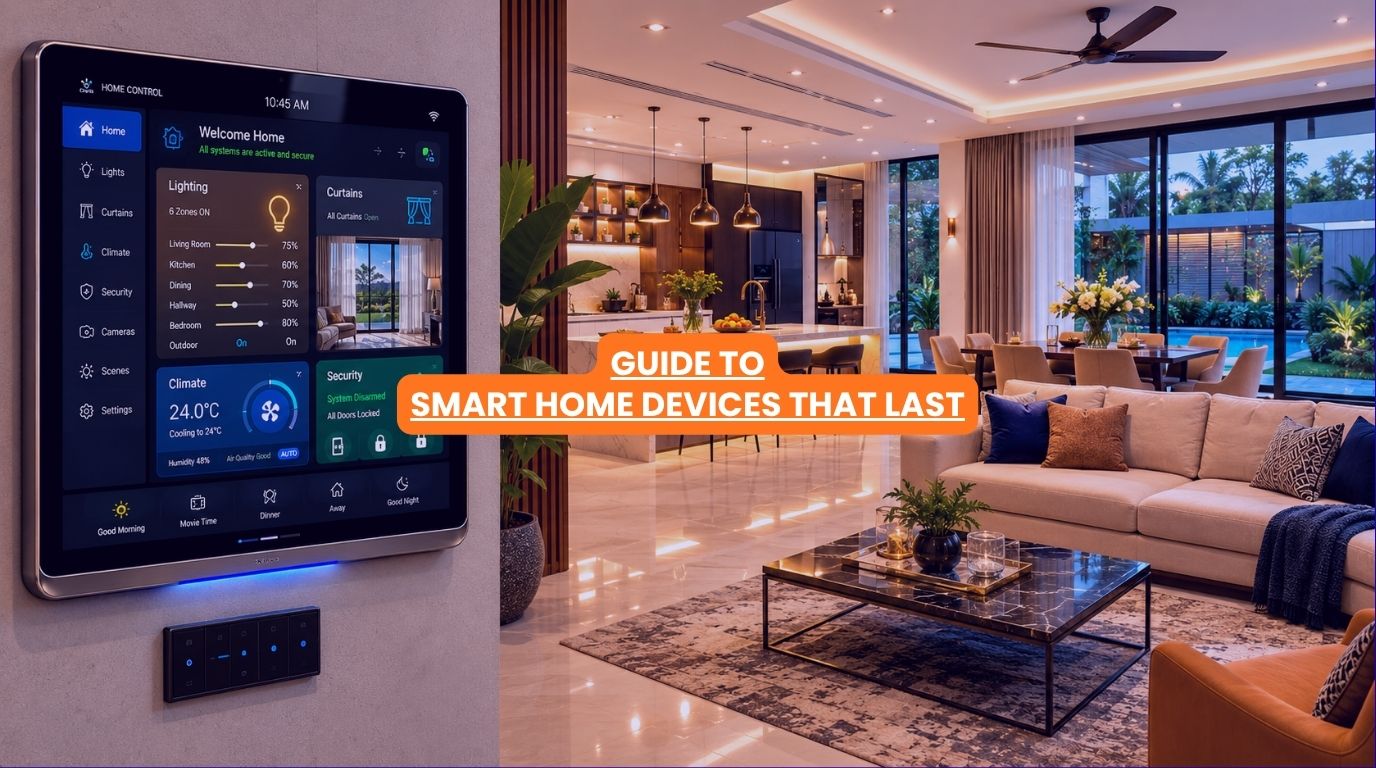
When homeowners invest in home automation, one question almost always comes up: “How long will all of this technology last?
It’s a reasonable concern.
Unlike traditional electrical systems that can function for decades, smart homes involve connected devices, software platforms, networking infrastructure, sensors, and automation controllers. Many homeowners worry that today’s smart home technology could become obsolete in just a few years.
At Techtastic, we often explain that there is an important difference between a device becoming outdated and a device failing. A well-designed smart home system can continue delivering value for many years, especially when built on reliable infrastructure and scalable automation platforms.
Understanding the lifespan of various smart home devices can help homeowners make smarter investment decisions and plan for future upgrades.
Summary
Most smart home devices last between 5 and 15 years, depending on the device type, build quality, usage patterns, and maintenance. Professional-grade systems such as KNX automation components often have significantly longer lifespans than consumer smart devices. Factors such as networking infrastructure, software support, environmental conditions, and future scalability also influence how long a smart home system remains reliable and relevant.
Quick Answer
Most smart home devices last between 5 and 15 years. Consumer smart devices such as smart speakers, smart bulbs, and smart cameras may require replacement sooner, while professionally installed automation systems like KNX lighting controls, sensors, and infrastructure can remain operational for decades. The lifespan of smart home technology depends on product quality, installation standards, software support, maintenance, and future compatibility.
Why Smart Home Device Lifespan Matters
A smart home is an investment.
Whether you’re automating:
- Lighting
- Security
- Climate control
- Motorized curtains
- Entertainment systems
- Access control
You want confidence that the technology will remain useful and dependable.
Device longevity affects:
- Return on investment
- Maintenance costs
- Upgrade planning
- Property value
- User experience
The longer a system remains functional, the greater its overall value.
Average Lifespan of Common Smart Home Devices
Smart Lighting Systems
Typical lifespan: 10–20 years
Professional lighting control systems often last significantly longer than consumer smart bulbs.
Factors influencing lifespan:
- Electrical quality
- Switching frequency
- Environmental conditions
- Product quality
Lighting automation is generally one of the most durable smart home investments.
Smart Switches & Keypads
Typical lifespan: 10–25 years
Professionally installed switches and automation keypads are often built for long-term operation.
Many premium systems remain functional for decades.
Smart Security Cameras
Typical lifespan: 5–10 years
Factors affecting lifespan include:
- Outdoor exposure
- Weather conditions
- Technology upgrades
- Storage requirements
While cameras may remain operational longer, homeowners often upgrade for improved image quality and features.
Smart Door Locks
Typical lifespan: 5–10 years
Battery maintenance and mechanical wear influence longevity.
Higher-quality access control systems often provide longer service life.
Video Door Phones
Typical lifespan: 7–15 years
These systems generally provide long operational life when professionally installed.
Motion Sensors & Occupancy Sensors
Typical lifespan: 10–20 years
These devices typically experience minimal wear and often remain reliable for many years.
Motorized Curtain Systems
Typical lifespan: 10–15 years
Motor quality is one of the biggest factors affecting longevity.
Premium motors frequently outperform consumer-grade alternatives.
Smart Speakers & Voice Assistants
Typical lifespan: 3–7 years
These products often become outdated due to software and platform changes rather than hardware failure.
Home Automation Controllers
Typical lifespan: 7–15 years
Controller longevity depends on:
- Platform support
- Software updates
- Integration requirements
Professional-grade automation systems generally offer longer support cycles.
Consumer Smart Devices vs Professional Automation Systems
One of the biggest differences in smart home longevity involves system architecture.
| Consumer Smart Home Devices | Professional Automation Systems |
|---|---|
| Shorter lifecycle | Longer lifecycle |
| Frequent replacement cycles | Long-term infrastructure |
| App dependent | System focused |
| Rapid feature changes | Stability focused |
| Lower initial cost | Greater long-term value |
| Often cloud dependent | Often locally controlled |
This distinction becomes increasingly important over time.
What Causes Smart Home Devices to Fail?
Hardware Wear
Mechanical components eventually experience wear.
Examples include:
- Curtain motors
- Door lock mechanisms
- Moving parts
Environmental Conditions
Heat, humidity, dust, and outdoor exposure can impact device lifespan.
Power Quality Issues
Electrical fluctuations can shorten the life of sensitive electronics.
Software Obsolescence
In some cases, devices continue functioning but lose support from manufacturers.
This is especially common with consumer products.
Poor Installation
Improper installation often reduces reliability and lifespan.
Professional design and implementation matter.
Does Home Automation Become Obsolete Quickly?
Not necessarily. Many homeowners confuse:
Device Failure
with
Technology Evolution
For example:
A lighting control system may function perfectly for 15 years even though newer products become available during that time. Just because newer technology exists doesn’t mean existing automation stops working.
The best smart homes are designed to evolve gradually rather than requiring complete replacement.
How to Extend the Life of Smart Home Devices
Choose Quality Products
Higher-quality devices generally offer:
- Better reliability
- Longer support
- Stronger performance
Invest in Reliable Networking
Many automation issues originate from networking problems rather than device failures.
Keep Software Updated
Updates improve:
- Security
- Performance
- Compatibility
Plan for Scalability
Future-ready systems are easier to upgrade without major disruption.
Work with Professional Integrators
Proper system design often has a significant impact on long-term reliability.
Which Smart Home Components Last the Longest?
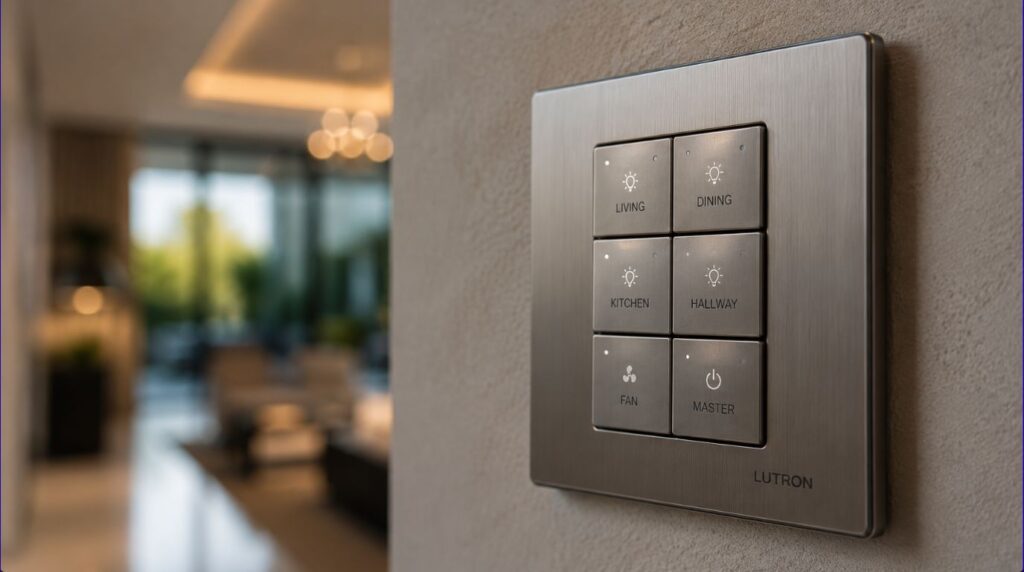
Generally speaking:
Longest Lifespan
- Wiring infrastructure
- KNX devices
- Smart switches
- Lighting control systems
- Sensors
Medium Lifespan
- Security cameras
- Video door phones
- Motorized curtains
Shortest Lifespan
- Smart speakers
- Consumer smart hubs
- Certain cloud-dependent devices
Infrastructure tends to outlast consumer electronics.
Why It Matters for Modern Homes
Smart homes are becoming long-term investments rather than novelty purchases.
Homeowners increasingly expect:
- Reliability
- Scalability
- Future compatibility
- Long-term support
Understanding device lifespan helps create realistic expectations and better planning strategies.
The goal is not simply to install technology.
The goal is to build a smart home that remains valuable for years to come.
Our Perspective at Techtastic
At Techtastic, we encourage homeowners to think beyond individual smart home devices and focus on long-term infrastructure.
We typically prioritize:
- Reliable networking
- Scalable automation platforms
- Professional-grade hardware
- Future-ready design
- Strong integration capabilities
We’ve found that the most successful smart homes are those built on durable foundations rather than short-term technology trends.
A well-designed smart home should continue evolving while maintaining reliability and performance for many years.
Collaboration Opportunities for Developers, Architects & Interior Designers
Technology longevity should be considered during project planning.
At Techtastic, we collaborate with:
- Architects
- Interior designers
- Luxury home builders
- Real estate developers
- Hospitality consultants
- Commercial project planners
Future-Ready Infrastructure Design
Create properties designed for long-term technology evolution.
Automation Lifecycle Planning
Support future upgrades without major renovations.
Structured Networking Design
Build reliable foundations for connected living.
Security & Access Control Integration
Implement durable and scalable solutions.
Luxury Residential Projects
Deliver premium smart home experiences with long-term value.
Hospitality & Commercial Applications
Create automation ecosystems built for reliability and longevity.
Early planning often results in lower lifecycle costs and better long-term outcomes.
Key Takeaways on Smart Home Devices
- Most smart home devices last between 5 and 15 years.
- Professional automation systems often outlast consumer smart devices.
- Device quality significantly impacts longevity.
- Software support is often more important than hardware lifespan.
- Reliable networking improves overall system performance.
- Future-ready automation platforms provide better long-term value.
Frequently Asked Questions
1. How long do smart home devices last?
A: Most smart home devices last between 5 and 15 years, depending on the device type and quality.
2. Do smart home systems become obsolete quickly?
A: Not necessarily. Many professionally installed systems remain functional and useful for well over a decade.
3. What smart home devices last the longest?
A: Lighting control systems, sensors, wiring infrastructure, and professional automation platforms often have the longest lifespans.
4. How often should smart home devices be replaced?
A: Replacement depends on performance, support availability, and evolving homeowner needs rather than age alone.
5. Do smart home devices require maintenance?
A: Most require minimal maintenance, although software updates and occasional servicing may be necessary.
6. Are professional automation systems more durable?
A: Yes. Professional-grade systems are often designed for long-term operation and scalability.
7. Does software support affect lifespan?
A: Absolutely. A device may continue functioning physically but lose functionality if software support ends.
8. How can I make my smart home last longer?
A: Choose high-quality products, invest in reliable networking, maintain software updates, and work with experienced automation professionals.
Conclusion
So, how long do smart home devices last?
The answer depends on the technology, installation quality, and overall system design. While some consumer devices may be replaced every few years, professionally installed automation systems can continue delivering value for decades. The key is investing in reliable infrastructure, scalable platforms, and quality products that support long-term performance.
At Techtastic, we help homeowners, architects, and developers create future-ready smart homes designed not just for today’s needs but for years of reliable operation and growth.
📞 Call/WhatsApp: 9769145145
📍 Our Operational Hubs: Navi Mumbai | Nashik | Lonavla | Sangli
A well-planned automation system isn’t just a technology investment—it’s a long-term lifestyle investment.
Ready to take the next step? Explore our comprehensive breakdown on Best Smart Home Systems for Apartments (2026) to see how these requirements translate into real-world value for your property.